If you’ve ever been curious about the untold stories behind Vietnam’s fight for independence, the Ho Chi Minh Museum offers a fascinating glimpse into this pivotal era.
With recent exhibitions shedding new light on revolutionary artifacts, it’s the perfect time to dive deeper into the country’s rich history. Whether you’re a history buff or just looking to understand Vietnam beyond the surface, this museum journey promises eye-opening insights.
Stick around as we uncover the secrets that make this place a must-visit for anyone eager to connect with Vietnam’s revolutionary spirit. Let’s explore how the past still shapes the present in ways you might never expect.
The Revolutionary Journey Through Vietnam’s Struggle
Unveiling the Early Resistance Movements
The early chapters of Vietnam’s fight for independence reveal a tapestry of grassroots uprisings and daring acts of defiance. These movements weren’t just spontaneous bursts of rebellion; they were meticulously organized efforts born from a deep desire to reclaim sovereignty.
Walking through the exhibits, you get a real sense of how ordinary people—farmers, students, workers—risked everything for a future free from colonial rule.
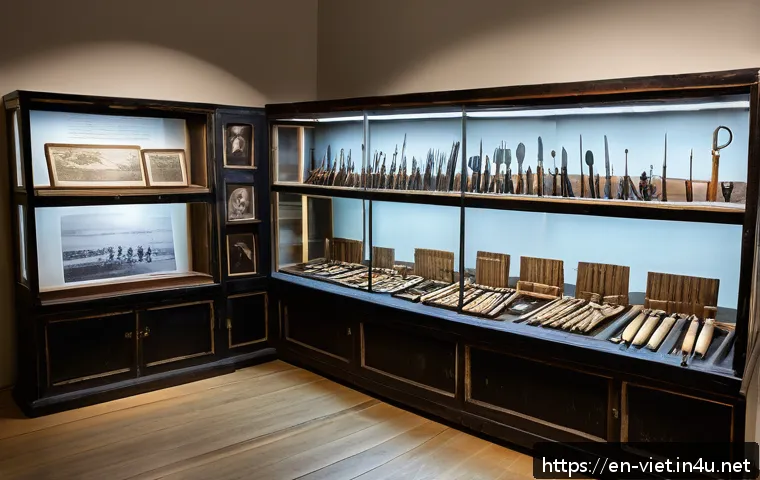
The artifacts, from hand-written letters to weapons crafted in secrecy, tell stories that textbooks often overlook. It’s humbling to realize how much courage was required to stand up against overwhelming odds, and seeing these relics firsthand brings that reality crashing in with emotional intensity.
The Role of Key Figures in Shaping National Identity
No exploration of Vietnam’s revolutionary history would be complete without understanding the pivotal roles played by iconic leaders who galvanized the nation.
Their visions, strategies, and sacrifices are captured in personal belongings, speeches, and photographs displayed with careful curation. You can almost hear the passion in their words and feel the weight of their decisions.
What struck me personally was the way these leaders managed to unite a diverse population under a common cause despite internal challenges and external pressures.
This section offers a nuanced look at how leadership was more than just political maneuvering—it was about embodying the hopes of millions.
How International Influences Shaped the Movement
Vietnam’s struggle wasn’t isolated; it was part of a larger global context marked by shifting alliances and ideological battles. The exhibits highlight how international events, from World War II to the Cold War, impacted strategies and support systems.
Diplomatic correspondence, foreign propaganda, and even intercepted communications reveal the complex web of influences. What’s fascinating is how Vietnamese revolutionaries adapted foreign ideas and tactics to fit their unique cultural and political landscape.
This interplay between local and global forces adds a rich layer of complexity, showing that independence was as much about navigating international waters as it was about internal resolve.
Artifacts That Tell Stories Beyond Words
Everyday Objects as Symbols of Resistance
One of the most compelling aspects of the museum is how it elevates ordinary objects to powerful symbols of defiance. Items like worn-out sandals, homemade radios, or simple farming tools become storytellers of resilience.
I found myself drawn to a collection of letters written on scraps of paper—each one a testament to hope and determination in the face of danger. These artifacts personalize history, turning abstract dates and events into relatable human experiences.
It’s a reminder that behind every revolution are countless untold personal sacrifices.
Revolutionary Art and Propaganda
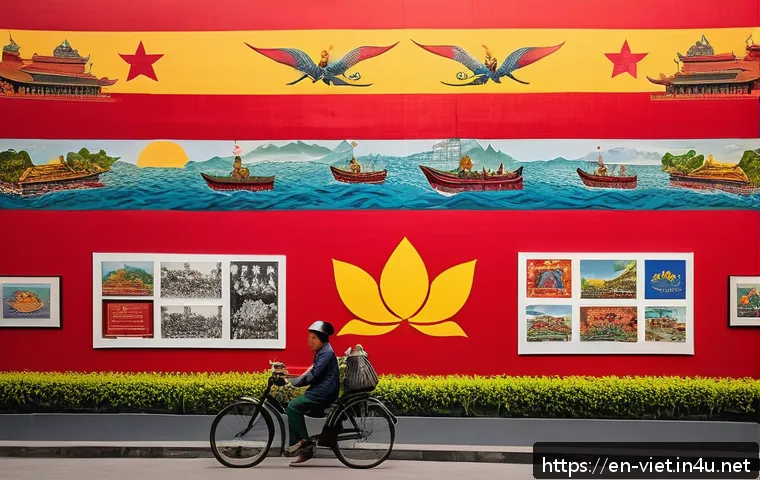
The power of art as a vehicle for political messaging shines through in this section. Posters, cartoons, and murals created during the independence struggle reveal how visual media was harnessed to inspire, inform, and mobilize.
The raw energy and creativity captured in these pieces offer a window into the collective psyche of the time. Interestingly, some artworks blend traditional Vietnamese motifs with revolutionary themes, creating a unique cultural fusion that reinforced national identity.
Observing these works up close provides insight into how art not only reflected but actively shaped public sentiment.
Technological Innovations Amidst Conflict
Despite limited resources, revolutionary forces displayed remarkable ingenuity in developing communication and weaponry tools. Exhibits showcase homemade radios, improvised weapons, and clever camouflage techniques that highlight a spirit of innovation born out of necessity.
Seeing these inventions made me appreciate the resourcefulness that often gets overshadowed by larger military narratives. It’s clear that technology wasn’t just about firepower—it was a lifeline for coordination and survival under intense scrutiny.
Interactive Experiences Bringing History to Life
Immersive Multimedia Presentations
The museum doesn’t just rely on static displays; it actively engages visitors through immersive multimedia experiences that make history palpable. Large-scale video projections, soundscapes, and interactive maps allow you to trace key battles and political developments dynamically.
I remember standing before a massive timeline display that integrated archival footage with personal testimonies—it felt like stepping back into those turbulent decades.
These sensory-rich elements deepen understanding and create emotional connections that stick long after you leave.
Guided Tours with Personal Narratives
Taking a guided tour here is an eye-opener because the guides share stories passed down through generations, adding layers of authenticity. Their firsthand knowledge and heartfelt delivery make the historical figures and events come alive.
I joined a tour where the guide recounted tales of local heroes whose names don’t appear in textbooks but whose bravery shaped entire communities. This personal touch transforms the visit from a passive observation into an engaging dialogue with the past.
Hands-On Workshops and Educational Programs
For those wanting a deeper dive, the museum offers workshops where you can try your hand at traditional crafts or learn about revolutionary communication techniques.
Participating in these sessions gave me a new appreciation for the everyday skills that supported the larger struggle. It’s one thing to read about history, but quite another to physically engage with it—these programs create memorable learning moments that resonate on a personal level.
The Museum’s Role in Contemporary Vietnamese Identity
Connecting Past Struggles to Present Aspirations
Visiting the museum reveals how Vietnam’s history of resistance is not just a distant memory but a living foundation for national pride and resilience.
Exhibits draw direct lines from past sacrifices to current social and economic developments, highlighting how lessons from the revolution continue to inspire progress.
I found this particularly striking in displays that celebrate youth movements and innovation, showing a country eager to honor its heritage while forging ahead.

Fostering Dialogue Between Generations
The museum serves as a bridge linking older generations who experienced the struggles firsthand with younger ones seeking to understand their roots. Through storytelling, artifacts, and educational outreach, it fosters meaningful conversations about identity, sacrifice, and hope.
This intergenerational dialogue is crucial for preserving collective memory and ensuring that the revolutionary spirit remains vibrant in a rapidly changing world.
Tourism and Cultural Diplomacy
Beyond education, the museum plays a vital role in cultural diplomacy by welcoming visitors from around the globe. It offers a nuanced narrative that challenges simplistic stereotypes and invites international audiences to appreciate the complexities of Vietnam’s history.
The growing number of foreign tourists who leave with a deeper understanding reflects how the museum contributes to building bridges through shared human stories.
Highlighting Key Historical Milestones
From Colonial Occupation to National Liberation
This section chronicles the major events that shaped Vietnam’s path from foreign domination to independence. It’s a sweeping overview that covers everything from French colonial rule to the decisive moments of the August Revolution.
The timeline is enriched by rare photographs, official documents, and personal diaries that capture the emotional highs and lows experienced by the Vietnamese people.
The Impact of the Geneva Accords and Beyond
The Geneva Accords marked a turning point, dividing the country and setting the stage for future conflict and reunification efforts. Exhibits here explore the geopolitical ramifications and the local responses to these seismic shifts.
What fascinated me was the way the museum contextualizes these events not just as political milestones but as deeply human experiences that affected families and communities.
Reconstruction and Modernization Efforts
The final stages of the exhibition focus on post-independence challenges, highlighting efforts to rebuild the nation amid ongoing struggles. This narrative stresses the resilience and optimism that fueled Vietnam’s transformation into a dynamic society.
It’s inspiring to see how the revolutionary spirit evolved into a commitment to development and innovation.
| Historical Period | Key Events | Significance |
|---|---|---|
| Early 20th Century | Formation of resistance groups, anti-colonial uprisings | Laid groundwork for organized independence movement |
| 1945 | August Revolution, Declaration of Independence | Established the Democratic Republic of Vietnam |
| 1954 | Geneva Accords | Temporary division of Vietnam, international involvement escalates |
| 1975 | Reunification of North and South Vietnam | End of prolonged conflict, start of national rebuilding |
| Post-1975 | Economic reforms, modernization | Transition to a dynamic, globally engaged nation |
Preserving Revolutionary Heritage for Future Generations
Conservation Efforts and Challenges
Maintaining the integrity of fragile artifacts and documents requires ongoing commitment and expertise. The museum’s conservation team employs cutting-edge techniques to ensure these treasures endure for decades to come.
I was impressed to learn about the painstaking processes involved—from climate control to digital archiving—that protect this irreplaceable heritage. It’s a delicate balance between accessibility and preservation, but one that the institution handles with admirable care.
Engaging Local Communities in Preservation
The museum actively involves local communities in its preservation mission, recognizing that cultural heritage is a shared responsibility. Programs encourage residents to contribute stories, artifacts, and support educational activities.
This collaborative approach strengthens community bonds and enriches the museum’s collections with diverse perspectives. Experiencing this dynamic made me appreciate how cultural institutions can serve as hubs for collective memory.
Innovations in Digital Archiving
To reach a wider audience and safeguard history against physical risks, the museum has embraced digital technologies. Virtual tours, online exhibits, and interactive databases make the revolutionary past accessible globally.
I found the virtual archive particularly useful, as it allows for deep exploration even from afar. These innovations ensure that the stories and lessons of Vietnam’s independence struggle continue to inspire people everywhere.
In Closing
Exploring Vietnam’s revolutionary history offers profound insight into the resilience and determination that shaped a nation. The museum’s rich collection and engaging presentations bring to life the sacrifices and innovations behind the struggle for independence. It’s a powerful reminder that history is not just about events but the people who lived through them. Visiting such a place deepens appreciation for the enduring spirit that continues to inspire Vietnam today.
Useful Information to Know
1. The museum provides multilingual guided tours, making it accessible for international visitors eager to understand Vietnam’s complex history.
2. Interactive exhibits and workshops are available for all ages, offering hands-on learning experiences beyond traditional displays.
3. Early morning or late afternoon visits tend to be less crowded, allowing for a more immersive and reflective experience.
4. Many exhibits incorporate personal stories and artifacts, providing a human perspective often missing from textbooks.
5. Digital archives and virtual tours are offered online, ideal for those who cannot visit in person but want to explore the revolutionary legacy.
Key Takeaways
The museum serves as a vital link between Vietnam’s past and present, highlighting the nation’s journey from colonial resistance to modern development. It emphasizes the importance of leadership, grassroots courage, and international dynamics in shaping history. Preservation efforts and community involvement ensure that this heritage remains vibrant for future generations. Ultimately, the museum fosters a deeper understanding of the human stories behind Vietnam’s independence, promoting cultural dialogue and global awareness.
Frequently Asked Questions (FAQ) 📖
Q: What can visitors expect to see at the Ho Chi Minh Museum’s recent exhibitions?
A: Visitors will discover a carefully curated collection of revolutionary artifacts, rare photographs, and personal items that tell the story of Vietnam’s struggle for independence.
The latest exhibitions introduce newly uncovered materials that provide fresh perspectives on key historical events. From interactive displays to detailed timelines, the museum offers an immersive experience that brings history to life, making it engaging for both history enthusiasts and casual visitors alike.
Q: How does the Ho Chi Minh Museum help deepen understanding of Vietnam’s revolutionary history?
A: The museum goes beyond surface-level narratives by showcasing personal stories, political strategies, and cultural contexts that shaped Vietnam’s fight for freedom.
Through firsthand accounts and authentic relics, it connects visitors emotionally to the sacrifices and resilience of the Vietnamese people. Having visited myself, I found that the museum’s storytelling approach made complex historical moments feel relatable and relevant, providing a richer appreciation of how those events still influence Vietnam today.
Q: Is the Ho Chi Minh Museum suitable for visitors without prior knowledge of Vietnamese history?
A: Absolutely. The museum is designed to be accessible and informative for all levels of knowledge. Clear explanations, multilingual guides, and engaging multimedia presentations help newcomers grasp the significance of the exhibits without feeling overwhelmed.
During my visit, I noticed families and tourists asking questions freely, indicating the museum’s welcoming atmosphere. It’s a great starting point for anyone curious about Vietnam’s past and eager to understand its revolutionary spirit in a meaningful way.