Vietnam’s tourism sector has been experiencing remarkable growth, fueled by its rich cultural heritage, stunning landscapes, and rapidly improving infrastructure.
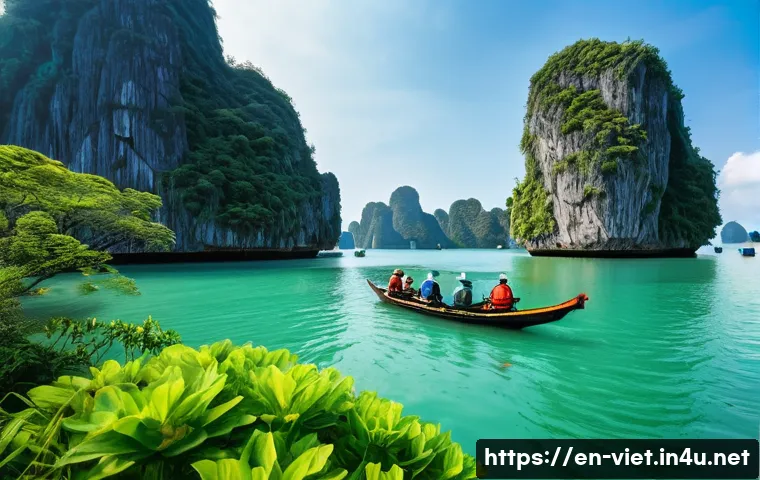
More travelers are discovering the charm of bustling cities like Ho Chi Minh and Hanoi, alongside serene destinations such as Ha Long Bay and the Mekong Delta.
With government initiatives promoting sustainable tourism and expanding international connectivity, the industry shows no signs of slowing down. This surge not only boosts the economy but also creates exciting opportunities for local businesses and global investors alike.
Let’s dive deeper into the factors driving this impressive momentum and what it means for the future of travel in Vietnam!
Urban Revival and Cultural Renaissance
Modernization Meets Tradition in Major Cities
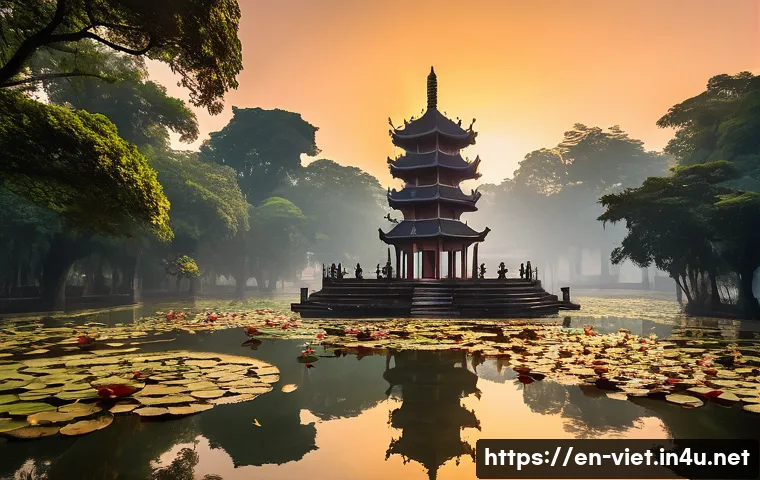
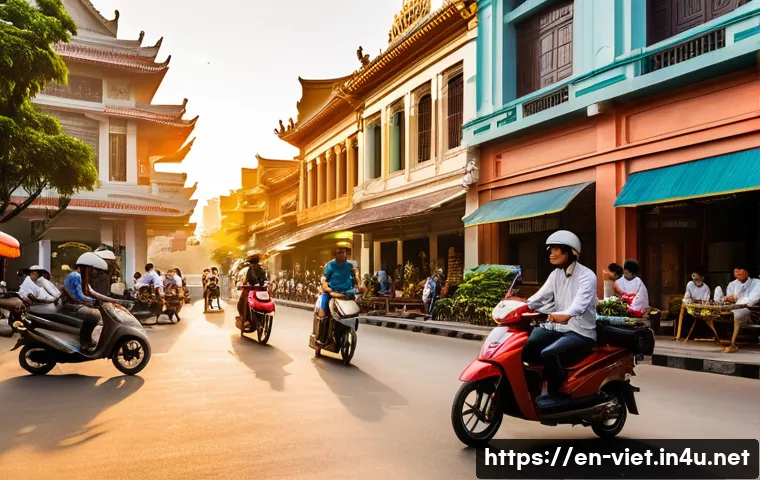
Vietnam’s biggest cities, Ho Chi Minh City and Hanoi, are buzzing with a unique blend of modern skyscrapers and centuries-old temples. Walking through the streets, you can feel the dynamic energy of urban development alongside the deep respect for cultural roots.
Cafés and co-working spaces pop up next to traditional markets and ancient pagodas, offering visitors a glimpse into a society that embraces both innovation and heritage.
From my own experience, exploring these cities revealed an exciting contrast: gleaming high-rises housing international brands sit just blocks away from street vendors selling pho and bánh mì.
This fusion enhances the traveler’s experience, making the cities irresistible for culture buffs and digital nomads alike.
Preserving Heritage While Expanding Tourism
The Vietnamese government has been actively investing in preserving historic sites while adapting them for tourism. Restoration projects in the Old Quarter of Hanoi and the French colonial architecture of Ho Chi Minh City show a commitment to maintaining authenticity.
Local artisans and cultural performances are integrated into tourist itineraries, enriching the visitor experience and providing sustainable income for communities.
I found that these efforts not only protect cultural identity but also appeal strongly to travelers seeking meaningful connections rather than just sightseeing.
It’s refreshing to see a destination that values its past so deeply while opening doors to the future.
Creative Culinary Scenes Attracting Food Lovers
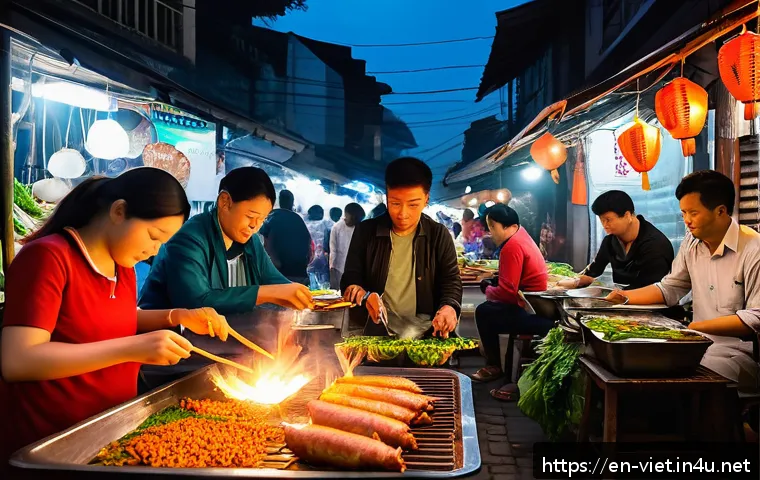
Vietnam’s culinary scene is another key factor driving urban tourism growth. Beyond the famous street food, a surge of innovative restaurants and fusion cuisine spots is attracting food enthusiasts from all over the world.
Cities like Ho Chi Minh offer everything from traditional family-run eateries to upscale dining experiences blending Vietnamese flavors with global techniques.
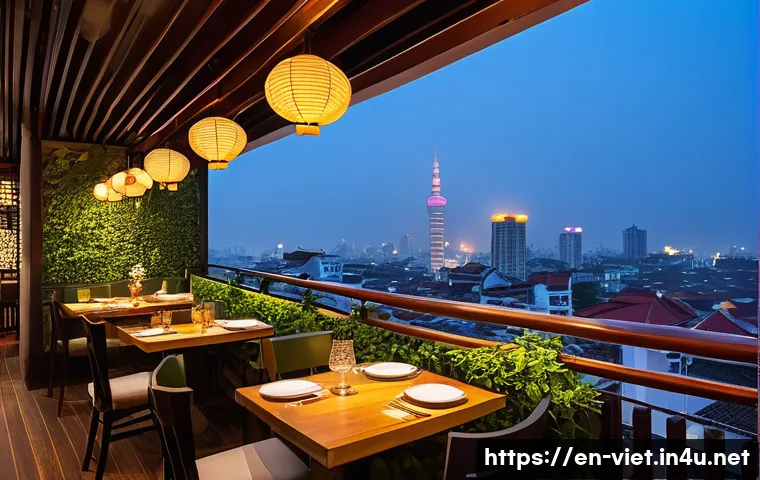
Tasting dishes in vibrant night markets or trendy rooftop bars became one of my favorite ways to soak up local life. This gastronomic diversity fuels repeat visits and word-of-mouth recommendations, making it a powerful pillar of the tourism boom.
Natural Wonders and Ecotourism Development
Ha Long Bay: Beyond the Postcard Views
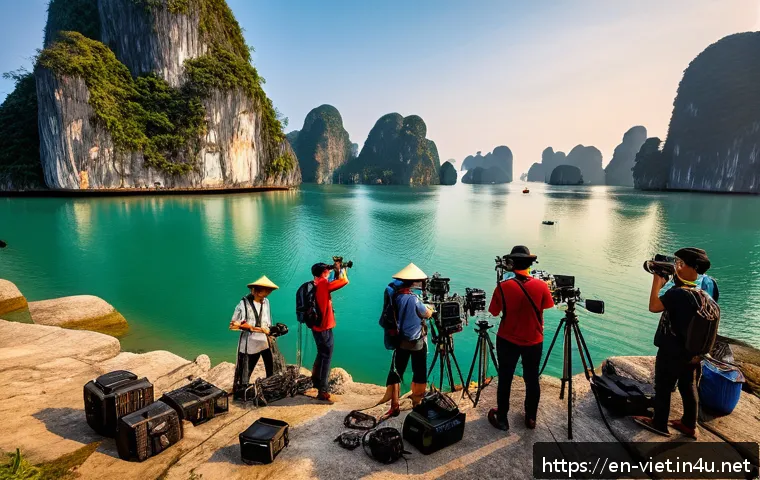
Ha Long Bay has long been a symbol of Vietnam’s natural beauty, but the tourism sector is now evolving to offer more than just scenic cruises. New eco-friendly tours focus on kayaking, cave exploration, and visiting floating fishing villages, providing immersive experiences that connect travelers with local ecosystems and communities.
From firsthand accounts, these activities offer a deeper appreciation of the bay’s biodiversity and cultural significance. Sustainable practices are being emphasized to minimize environmental impact, ensuring this UNESCO World Heritage site remains pristine for generations to come.
Mekong Delta’s Emerging Eco-Tourism Routes
The Mekong Delta, with its labyrinth of rivers and lush greenery, is gaining traction as an eco-tourism hotspot. Small-scale boat tours, farm stays, and cycling paths through rice paddies are becoming popular alternatives to mass tourism.
During my visit, I was impressed by the friendliness of local hosts and the authenticity of the experiences—tasting tropical fruits fresh from the orchard and participating in traditional fishing methods made the trip unforgettable.
This grassroots tourism model supports local livelihoods and encourages environmental stewardship, a win-win for travelers and residents.
National Parks and Adventure Tourism
Vietnam’s growing network of national parks like Phong Nha-Ke Bang and Cat Tien offers thrilling opportunities for hiking, caving, and wildlife spotting.
Adventure seekers can explore vast cave systems or trek through dense jungles with experienced guides. These parks are increasingly equipped with eco-lodges and visitor centers focused on conservation education.
When I ventured into Phong Nha, the balance between adventure and responsible tourism was clear—guides emphasized respecting nature while sharing fascinating insights.
This approach has boosted the appeal of Vietnam as a destination for active, environmentally conscious travelers.
Infrastructure Upgrades and Accessibility
Expanding Air Connectivity
Vietnam’s aviation sector has seen significant expansion, with new international routes and upgraded airports facilitating easier access for travelers worldwide.
Hanoi’s Noi Bai and Ho Chi Minh’s Tan Son Nhat airports have enhanced passenger capacity and services, while emerging airports like Da Nang connect central Vietnam with key global hubs.
On a recent trip, I noticed smoother check-ins, more direct flights, and improved amenities, which collectively reduced travel fatigue and encouraged longer stays.
These improvements have been vital in sustaining the tourism surge and attracting diverse visitor profiles.
Modern Transportation Networks Within Cities
Urban transport systems are rapidly evolving, with metro lines under construction and better bus networks easing city navigation. This modernization allows tourists to explore more comfortably and efficiently, reducing reliance on taxis and motorbikes.
During my stay, the new metro line in Hanoi was a game-changer, cutting travel times and offering a safe, air-conditioned alternative to crowded streets.
These enhancements improve the overall visitor experience and support sustainable urban growth by curbing traffic congestion and pollution.
Accommodation Growth and Diversification
The hospitality industry has expanded to meet growing demand, with a wide range of options from budget hostels to luxury resorts. Boutique hotels and eco-lodges are gaining popularity, catering to travelers seeking personalized and environmentally friendly stays.
I personally opted for a small boutique hotel in Da Nang that combined modern comforts with local design elements, creating an inviting atmosphere. This diversification not only attracts a broader spectrum of tourists but also drives competition that raises service standards across the board.
Government Policies and Sustainable Tourism Initiatives
Promoting Responsible Travel Practices
Vietnam’s government has launched campaigns encouraging tourists to respect local customs and minimize environmental impact. Educational programs and signage at popular sites guide visitors on waste management, cultural sensitivity, and wildlife protection.
When I joined a guided tour, the emphasis on leaving no trace and supporting local communities was evident, making the experience feel more ethical and rewarding.
These initiatives help preserve Vietnam’s attractions while fostering a positive relationship between tourists and residents.
Investment in Tourism Infrastructure and Marketing
Strategic investments in infrastructure, such as upgraded roads and visitor centers, are complemented by international marketing efforts highlighting Vietnam’s unique offerings.
The government’s partnerships with airlines, travel agencies, and influencers have successfully raised Vietnam’s profile on the global stage. From attending travel expos to watching social media campaigns, it’s clear that coordinated promotion is bringing in new markets and repeat visitors.
This multi-pronged approach strengthens Vietnam’s position as a must-visit destination in Southeast Asia.
Supporting Local Entrepreneurs and Cultural Industries
Policies aimed at empowering small businesses, artisans, and cultural performers contribute to a vibrant tourism ecosystem. Grants, training programs, and simplified regulations enable locals to develop authentic products and experiences for tourists.
During my visit, I met several entrepreneurs who credited government support for their ability to expand and innovate. This grassroots development ensures that tourism benefits are widely shared and that cultural heritage remains a living, evolving asset.
Emerging Trends Shaping Vietnam’s Travel Landscape
Rise of Digital Nomadism and Remote Work
Vietnam’s affordable living costs, reliable internet, and lively urban scenes have attracted a growing community of digital nomads. Cities like Ho Chi Minh and Da Nang are developing coworking spaces and networking events tailored to remote professionals.
From personal conversations with expats, the appeal lies in balancing productivity with rich cultural experiences and outdoor adventures. This trend not only diversifies the tourism base but also injects fresh ideas and investment into local economies.
Growth of Wellness and Eco-Friendly Tourism
Travelers increasingly seek wellness retreats, spa resorts, and nature-based experiences that promote health and relaxation. Vietnam’s natural hot springs, yoga centers, and organic farms are becoming popular destinations for this niche market.
I sampled a wellness program that combined traditional herbal treatments with mindful meditation overlooking rice terraces—it was rejuvenating and deeply connected to Vietnamese culture.
This shift toward holistic travel complements existing attractions and appeals to a health-conscious demographic.
Experiential and Community-Based Travel
More visitors are opting for immersive experiences that involve engaging with local communities, learning crafts, or participating in festivals. Homestays and cultural workshops provide authentic interactions beyond typical sightseeing.
I took part in a traditional lantern-making workshop in Hoi An, which not only taught me a new skill but also fostered meaningful connections with local artisans.
These genuine encounters enrich travel memories and encourage sustainable tourism models that respect cultural integrity.
| Aspect | Key Developments | Impact on Tourism |
|---|---|---|
| Urban Development | Blend of modern infrastructure with heritage preservation | Attracts diverse travelers; enhances cultural experiences |
| Natural Tourism | Eco-friendly tours, national park expansion | Promotes sustainable tourism; appeals to adventure seekers |
| Transportation | Airport expansions, metro projects | Improves accessibility; increases visitor convenience |
| Government Initiatives | Marketing campaigns, support for local businesses | Boosts global visibility; empowers communities |
| Emerging Trends | Digital nomads, wellness tourism, experiential travel | Diversifies tourism base; enhances visitor engagement |
Challenges and Opportunities Ahead
Balancing Growth with Environmental Protection
While tourism growth brings economic benefits, it also poses risks to Vietnam’s fragile ecosystems. Overcrowding in hotspots and increased waste generation demand vigilant management.
From conversations with local guides, it’s clear that sustainable practices must be enforced rigorously to avoid long-term damage. This challenge presents an opportunity for innovation in eco-friendly infrastructure and visitor education, ensuring that tourism remains a positive force.
Adapting to Changing Global Travel Patterns
The pandemic reshaped traveler preferences, with more demand for off-the-beaten-path destinations and personalized experiences. Vietnam’s ability to adapt quickly by promoting lesser-known areas and flexible booking options has been impressive.
I noticed many tourists opting for slower, more meaningful journeys rather than rapid sightseeing tours. This adaptability positions Vietnam well to capture evolving market segments and maintain steady visitor flow.
Enhancing Service Quality and Training
As visitor numbers rise, maintaining high standards in hospitality and guiding services becomes essential. Ongoing training programs for frontline staff and cultural sensitivity workshops improve guest satisfaction and reputation.
In my travels, I appreciated the warmth and professionalism of service providers, which added a personal touch to the overall experience. Investing in human capital will continue to be a critical factor in sustaining Vietnam’s tourism success.
Conclusion
Vietnam’s vibrant blend of tradition and modernity creates a captivating travel experience that appeals to a wide range of visitors. From urban cultural revival to eco-conscious adventures, the country is evolving thoughtfully to balance growth and sustainability. With continuous improvements in infrastructure and community engagement, Vietnam stands out as a dynamic destination ready to welcome travelers seeking both authenticity and innovation.
Useful Information to Know
1. Vietnam’s major cities combine skyscrapers with historic sites, offering a unique cultural fusion perfect for urban explorers.
2. Eco-tourism is expanding in places like Ha Long Bay and the Mekong Delta, emphasizing sustainable and immersive experiences.
3. Transportation upgrades, including new airports and metro lines, make traveling within Vietnam easier and more comfortable.
4. Government initiatives support local entrepreneurs and promote responsible tourism, enhancing both visitor experiences and community benefits.
5. Emerging trends such as digital nomadism and wellness tourism are diversifying the travel market and creating new opportunities.
Key Takeaways
Vietnam is successfully integrating modern infrastructure with cultural preservation to attract diverse travelers. Its commitment to sustainable tourism and environmental protection ensures long-term appeal. Continued investment in transportation and hospitality services is improving accessibility and quality. Government policies empower local communities and promote responsible travel practices. Finally, adapting to new travel trends strengthens Vietnam’s position as a versatile and engaging destination for today’s global travelers.
Frequently Asked Questions (FAQ) 📖
Q: What are the top must-visit destinations in Vietnam for first-time travelers?
A: For those visiting Vietnam for the first time, I’d highly recommend starting with Hanoi and Ho Chi Minh City to soak up the vibrant urban culture. Hanoi offers a fascinating blend of French colonial architecture and traditional Vietnamese life, especially around the Old Quarter.
Ho Chi Minh City is a bustling metropolis with incredible street food and lively markets. Beyond the cities, places like Ha Long Bay are absolutely breathtaking with their limestone karsts rising from emerald waters—perfect for a boat tour or kayaking.
The Mekong Delta provides a unique glimpse into rural life with floating markets and lush landscapes. These spots together give a rich, diverse experience that captures Vietnam’s essence.
Q: How is Vietnam promoting sustainable tourism, and why does it matter?
A: Vietnam has been stepping up its game in sustainable tourism by encouraging eco-friendly practices and community-based tourism. The government supports projects that protect natural sites like national parks and coastal areas, while also promoting responsible travel that benefits local communities.
For example, many tour operators now offer eco-tours that minimize environmental impact and help preserve cultural heritage. This matters a lot because with the rapid growth in visitors, unchecked tourism could harm the very landscapes and traditions that make Vietnam special.
Personally, I’ve noticed that sustainable initiatives make the travel experience more authentic and meaningful, which keeps me coming back.
Q: What infrastructure improvements are making travel easier in Vietnam?
A: Over the past few years, Vietnam has made significant investments in upgrading airports, roads, and public transportation. The expansion of international airports in Hanoi and Ho Chi Minh City means more direct flights and better connectivity, making it simpler for travelers to reach Vietnam from all over the world.
Inside the country, new highways and better bus services have reduced travel times between key destinations. I remember a recent trip where a newly built expressway cut what used to be a 6-hour journey down to just 3.5 hours—it really changed how much ground you can cover in a short trip.
Plus, the growing presence of ride-hailing apps and improved signage make getting around cities much less stressful for foreigners.