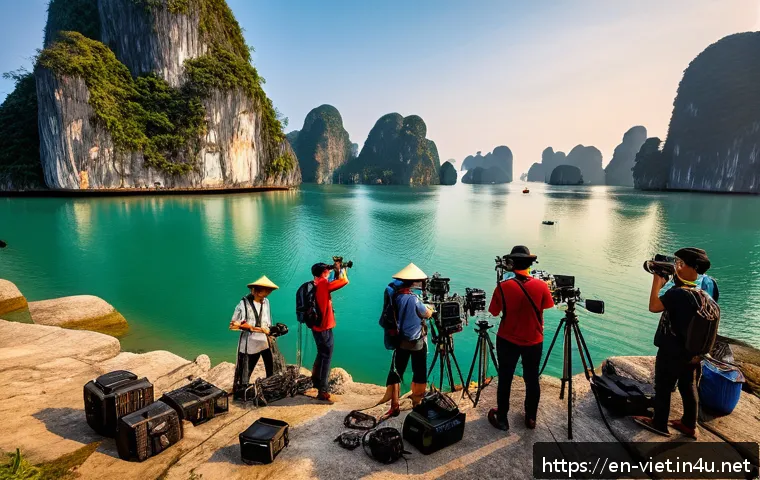
Vietnam’s breathtaking landscapes and vibrant culture have been captivating travelers worldwide, but for filmmakers, capturing these moments on camera often requires more than just a good eye.
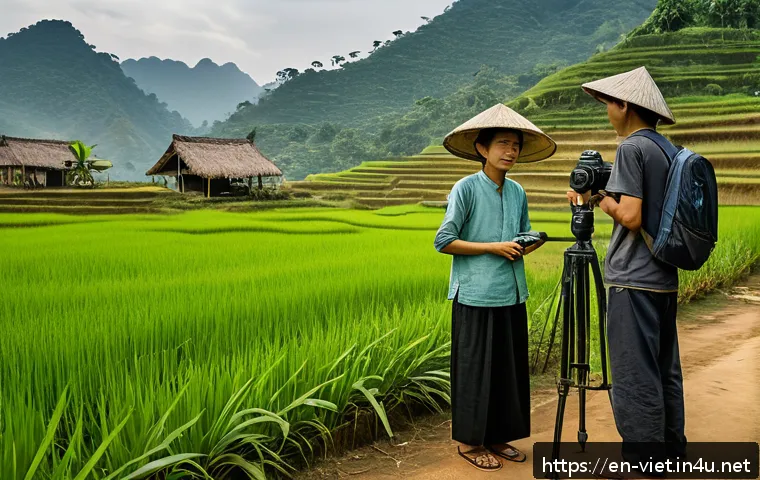
With the recent surge in international productions seeking to showcase Vietnam’s iconic tourist spots, understanding the local filming permit process has become crucial.
Whether you’re planning a documentary, travel vlog, or a feature film, securing the right permissions can open doors to hidden gems that many never get to see.
In this post, I’ll share practical tips and insider knowledge on navigating Vietnam’s permit system, helping you bring your vision to life without unnecessary hurdles.
Stick around if you’re ready to unlock the secrets behind filming in one of Southeast Asia’s most stunning destinations.
Understanding Vietnam’s Filming Permit Landscape
Who Grants Filming Permissions in Vietnam?
Filming permits in Vietnam are primarily issued by the Ministry of Culture, Sports and Tourism, along with local provincial authorities depending on the shooting location.
For international filmmakers, this means you’ll be dealing with both central government agencies and local departments. The process can vary significantly depending on whether you’re shooting in bustling cities like Hanoi and Ho Chi Minh City or in more remote areas such as Ha Giang or the Mekong Delta.
It’s essential to identify the correct authority early on to avoid unnecessary delays. From my experience, contacting local film commissions or production service companies can provide invaluable guidance to streamline this step.
Types of Filming Permits and Their Scope
Vietnam offers different types of permits depending on the scale and nature of your project. For example, a commercial feature film requires a more extensive permit that covers script approval, location scouting, and coordination with local officials.
On the other hand, travel vlogs or documentaries might only need a simpler permit or even sometimes just local permission if filming occurs in public spaces.
The permit type also dictates the allowed filming duration, crew size, and equipment usage. Overlooking these distinctions can result in fines or confiscation of equipment, so it’s worth investing time to understand what fits your project best.
Common Challenges Filmmakers Face
One hurdle many international crews encounter is the language barrier during the application process, as most official documents are in Vietnamese. Additionally, the bureaucratic nature means that paperwork can take weeks or even months to process.
Sometimes, local authorities might request additional documentation or impose restrictions on shooting times and locations. In my own projects, I found that hiring a local fixer or production coordinator who understands the nuances of Vietnam’s permit system can save a lot of headaches and help negotiate these challenges smoothly.
Navigating Location Scouting and Permissions
Finding the Perfect Spot with Local Insight
Vietnam’s diverse landscapes—from the limestone karsts of Ha Long Bay to the terraced rice fields in Sapa—offer endless shooting opportunities. However, scouting locations without prior permits can sometimes lead to being asked to leave or worse, legal complications.
Local guides or location scouts not only help uncover hidden gems but also assist in securing preliminary permissions. When I scouted locations, having someone familiar with the area helped me avoid restricted zones and environmental protected areas that require special permits.
How to Approach Local Communities
In many rural parts of Vietnam, filming often involves interaction with local communities. Building trust and respecting cultural norms is crucial. Explaining your project clearly and offering compensation or gifts can foster goodwill and even enhance your production with authentic local participation.
I remember filming a documentary in a remote village where villagers initially hesitated but eventually welcomed us warmly after a few days of dialogue and mutual respect.
Timing Your Shoot for Permit Approval
Permit approval timelines in Vietnam can be unpredictable. It’s wise to start the application process at least 2-3 months before your intended shoot dates, especially during peak tourist seasons or major festivals when local authorities are busier.
Planning your shoot schedule flexibly to accommodate potential delays is something I always recommend. Being patient and maintaining open communication with officials usually leads to smoother outcomes.
Essential Documentation and Application Process
Key Documents You’ll Need
The permit application generally requires a detailed shooting script, a list of crew members, equipment details, insurance certificates, and sometimes a letter of recommendation from your home country’s embassy or consulate.
Additionally, a filming schedule and precise location maps help authorities understand your project’s scope. In my experience, having all documents professionally translated into Vietnamese and double-checked before submission significantly reduces back-and-forth delays.
Steps to Submit Your Application
Applications typically begin online or at local Department of Culture offices, followed by in-person meetings. After submission, there might be an inspection visit from officials to verify locations and logistics.
Maintaining a proactive stance by following up regularly is crucial since the process can be slow. I once experienced a situation where a minor omission in paperwork caused a two-week delay; staying on top of updates can prevent such issues.
Costs and Fees Associated with Permits
Permit fees vary depending on the project scale and location but generally range from a few hundred to several thousand U.S. dollars. Additional costs may include local taxes, location fees, or payments to local authorities for special access.
It’s important to budget these expenses early in your production plan. Below is a quick summary table of typical permit-related costs to help you estimate your budget:
| Permit Type | Typical Fee Range (USD) | Additional Costs |
|---|---|---|
| Feature Film | 1,000 – 5,000 | Location fees, local taxes |
| Documentary/Travel Vlog | 300 – 1,000 | Local permissions, community fees |
| Commercial Shoot | 1,500 – 4,000 | Equipment permits, insurance |
Working with Local Film Production Services
Benefits of Hiring Local Experts
Partnering with Vietnamese production companies or fixers can be a game-changer. These professionals understand the permit requirements, local customs, and logistics better than anyone else.
They can help arrange everything from securing permits to coordinating with government officials and managing on-site needs. When I collaborated with a local service provider, it reduced my stress levels and allowed me to focus on creative aspects rather than bureaucratic hurdles.
Finding Reliable Partners
Look for companies with solid reputations and positive reviews from previous international clients. Networking in film forums or industry events in Southeast Asia can lead to trustworthy recommendations.
Don’t hesitate to ask for references or examples of past projects they’ve supported. From personal encounters, I found that clear communication and setting expectations upfront prevent misunderstandings later in the production.
Negotiating Contracts and Service Agreements
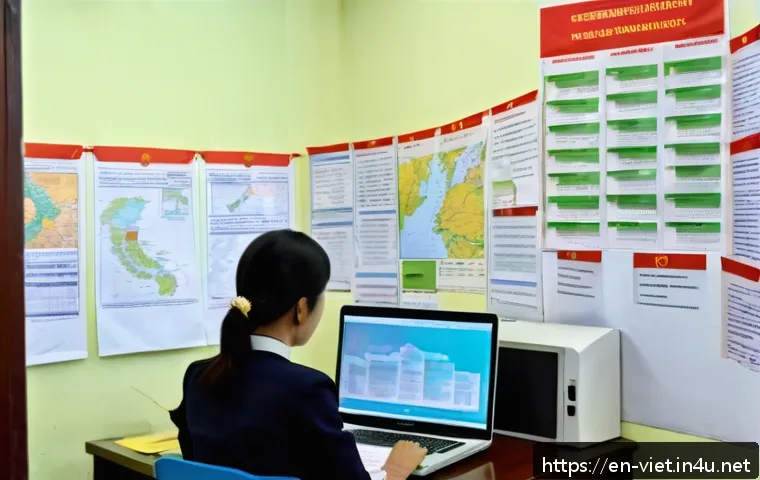
Be mindful of contract terms, including services offered, payment schedules, and liability clauses. Clear agreements help avoid surprises, especially regarding permit handling responsibilities.
I always make sure to clarify who is accountable for delays or permit denials to protect my project timeline and budget. Transparent negotiations upfront pave the way for a smoother partnership.
Respecting Environmental and Cultural Regulations
Protected Areas and Restricted Zones
Vietnam has numerous national parks and heritage sites with strict filming restrictions to preserve natural and cultural assets. Unauthorized filming in these areas can lead to hefty fines or legal action.
Always verify if your desired location falls under any special protection status. In some cases, additional permits from environmental agencies might be required.
During one shoot near Cat Ba Island, I had to adjust my plans after learning about restricted zones that were not initially disclosed.
Preserving Local Traditions and Practices
Filmmakers should be sensitive to local customs, especially when filming religious ceremonies, festivals, or community events. Obtaining consent and showing respect through appropriate behavior and dress codes is essential.
In my experience, taking time to understand these cultural nuances not only prevents conflicts but enriches the storytelling with authenticity and respect.
Waste Management and Environmental Responsibility
Leaving no trace is a principle every production should follow. Vietnam’s natural beauty is a big draw for filmmakers, and maintaining it is a shared responsibility.
Simple actions like proper waste disposal, avoiding damage to flora, and limiting crew size can minimize environmental impact. I always encourage my team to be mindful of these practices, which in turn helps build positive relationships with local communities.
Tips for a Smooth Filming Experience in Vietnam
Plan Ahead but Stay Flexible
Vietnam’s permit process can be unpredictable, so it’s wise to have backup plans for locations and schedules. Allow extra time for approvals and be ready to adapt if certain locations become inaccessible.
From my past shoots, I learned that flexibility often turns potential setbacks into creative opportunities.
Build Relationships with Local Authorities
Invest time in establishing good rapport with government officials and local leaders. Regular communication, respect, and transparency can open doors to easier approvals and support during filming.
I found that simple gestures like sharing rough cuts or project outcomes with local stakeholders help foster goodwill for future projects.
Leverage Technology to Streamline Workflow
Using digital tools for document submission, communication, and scheduling can speed up the permit process. Many local offices now accept electronic applications, reducing the need for physical visits.
During my recent productions, adopting these technologies saved valuable time and helped keep everyone on the same page despite language barriers.
Conclusion
Obtaining filming permits in Vietnam requires careful planning, patience, and local insight. By understanding the permit landscape, respecting cultural and environmental regulations, and working closely with local experts, filmmakers can navigate the process smoothly. Flexibility and clear communication are key to turning challenges into successful creative opportunities. With the right approach, Vietnam offers a rich and rewarding filming experience.
Helpful Tips
1. Start the permit application process early—ideally 2 to 3 months before shooting—to accommodate possible delays.
2. Hire a local fixer or production service to assist with language barriers and bureaucratic procedures.
3. Respect local customs and seek permission from communities when filming in rural or culturally sensitive areas.
4. Budget carefully for permit fees, location charges, and additional local expenses to avoid surprises.
5. Use digital tools for document submission and communication to streamline the process and keep everyone aligned.
Key Takeaways
Understanding the specific requirements and types of filming permits in Vietnam is essential to avoid legal issues and fines. Building strong relationships with local authorities and communities fosters smoother approvals and enriches the production. Environmental and cultural sensitivity protects both your project and the locations you film in. Lastly, partnering with experienced local professionals can significantly reduce stress and enhance efficiency throughout your production journey.
Frequently Asked Questions (FAQ) 📖
Q: What types of filming permits are required for shooting in Vietnam?
A: In Vietnam, the type of permit you need depends largely on the nature and scale of your project. For commercial productions like feature films or commercials, you must obtain a filming license from the Ministry of Culture, Sports and Tourism.
Documentaries and travel vlogs may require permits from local authorities where filming takes place, especially in protected or popular tourist areas.
It’s essential to clarify your project scope early and consult with a local fixer or production service to ensure you apply for the correct permits. Skipping this step can lead to fines or even halted production, so it’s worth investing time upfront.
Q: How long does it typically take to get filming permits approved in Vietnam?
A: The permit approval timeline can vary, but generally, expect at least 2 to 4 weeks for processing if all your documents are in order. Larger or more complex projects might take longer, especially if filming in multiple locations or protected sites.
From my experience coordinating shoots in Vietnam, starting the application process well ahead of your shoot dates is crucial. Rushing can cause delays that disrupt your entire schedule and increase costs.
Working with a local production company can also speed things up since they know the ins and outs of the bureaucracy.
Q: Are there any restrictions or special considerations when filming in Vietnam’s popular tourist destinations?
A: Absolutely. Many of Vietnam’s iconic spots, like Ha Long Bay or Hoi An Ancient Town, have strict regulations to protect cultural heritage and the environment.
Filming drones, for example, often requires additional permissions, and some areas may restrict filming hours or limit crew sizes. Also, be mindful of local customs and sensitivities; respectful behavior goes a long way in gaining cooperation from local communities and officials.
Personally, I found that engaging local guides or community leaders early helps smooth the process and often uncovers unique filming opportunities that aren’t widely advertised.