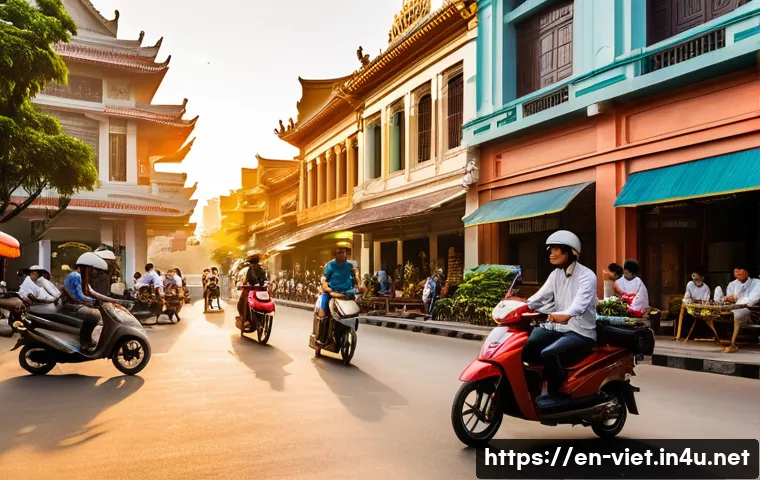
If you’ve been craving an authentic taste adventure, Vietnam’s vibrant street food scene has been making waves as one of the world’s hottest culinary destinations this year.
With travel reopening and foodies eager to explore beyond the usual spots, now is the perfect time to dive into flavors that truly capture Vietnam’s rich culture.
From bustling night markets to tucked-away alleys, the hidden gems of Vietnamese street food offer more than just a meal—they promise an unforgettable experience.
Join me as we uncover these must-try dishes that even seasoned travelers often overlook. Trust me, your taste buds are in for a thrilling ride!
Discovering Vietnam’s Iconic Street Eats
Pho: More Than Just a Noodle Soup
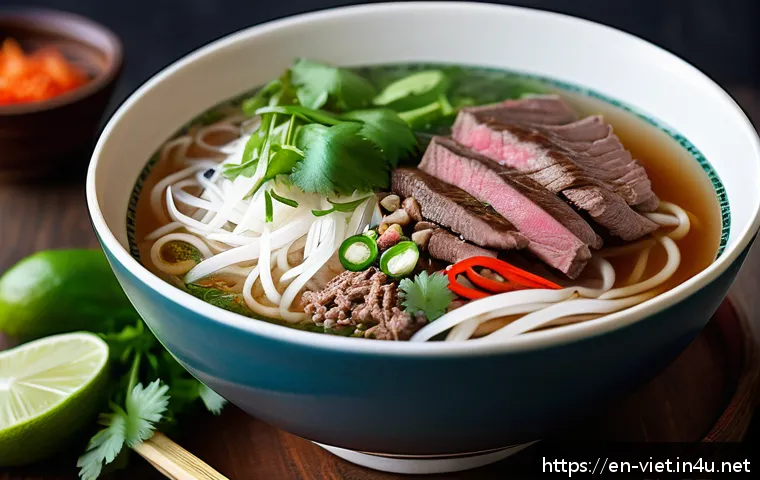
Pho isn’t just a dish; it’s a warm, fragrant hug in a bowl that locals swear by. What fascinates me is how every vendor has their own twist—some simmer the broth for hours with secret blends of spices, while others add fresh herbs at the last second, making every sip a little different.
It’s worth waking up early to stand in line at a tiny street stall where the bustling sounds and sizzling pans add to the authenticity. I’ve noticed that the best pho isn’t always the fanciest; sometimes, it’s the humble spots with the longest queues that deliver the real deal.
The layering of flavors—from star anise to cinnamon and charred onion—creates a depth that’s simply unforgettable.
Banh Mi: The Perfect Fusion Sandwich
When it comes to Vietnamese sandwiches, banh mi reigns supreme. I’ve tried countless versions, but the key is in the crusty yet airy baguette, which is a leftover legacy from French colonial times.
The magic happens when this bread is filled with savory pork, pate, pickled veggies, fresh cilantro, and a drizzle of spicy mayo or chili sauce. Walking through the streets, the aroma of grilled meats mixed with fresh herbs pulls you in instantly.
It’s a meal on the go that packs layers of texture and flavor, perfect for anyone who loves a crunchy bite with a punch of zest.
Bun Cha: Hanoi’s Grilled Pork Treasure
Bun Cha is a feast for the senses. The grilled pork patties and slices, caramelized over charcoal, deliver smoky sweetness that pairs beautifully with the tangy fish sauce broth.
I’ve found that dipping the rice noodles and fresh herbs into this dipping sauce before eating creates an explosion of flavor that’s hard to match. It’s a dish that encourages slow savoring, often enjoyed with a side of fresh greens and a cold beer.
The best spots are usually small, family-run stalls where the grill smoke curls around the alleyway—pure street food magic.
Hidden Gems Off the Beaten Path
Cao Lau: A Taste of Hoi An’s Secret
Cao Lau is a noodle dish that’s almost mythical outside of Hoi An. I first stumbled upon it in a tiny café hidden down a quiet alley. The noodles have a unique chewy texture thanks to the local water used in preparation, which is unlike anything I’ve tasted elsewhere.
Topped with slices of tender pork, crispy croutons, fresh herbs, and a splash of broth, it’s subtle yet deeply satisfying. What makes this dish special is the balance of flavors and textures that seem simple but require years of local tradition to perfect.
Com Tam: Broken Rice’s Big Personality
Com Tam, or broken rice, is a humble street favorite that I initially overlooked but quickly grew to love. The dish comes with grilled pork chops, a fried egg, pickled vegetables, and a drizzle of fish sauce that ties it all together.
The rice’s slightly crunchy texture adds a delightful contrast to the tender meats. What surprised me was how satisfying and filling this meal is, especially when grabbed from a roadside vendor bustling with locals during lunch hours.
It’s a perfect example of street food that’s both affordable and packed with flavor.
Banh Xeo: The Crispy Vietnamese Crepe
Banh Xeo, the sizzling crepe made from rice flour, turmeric, and coconut milk, is one of those dishes that instantly lifts the mood with its golden crispiness.
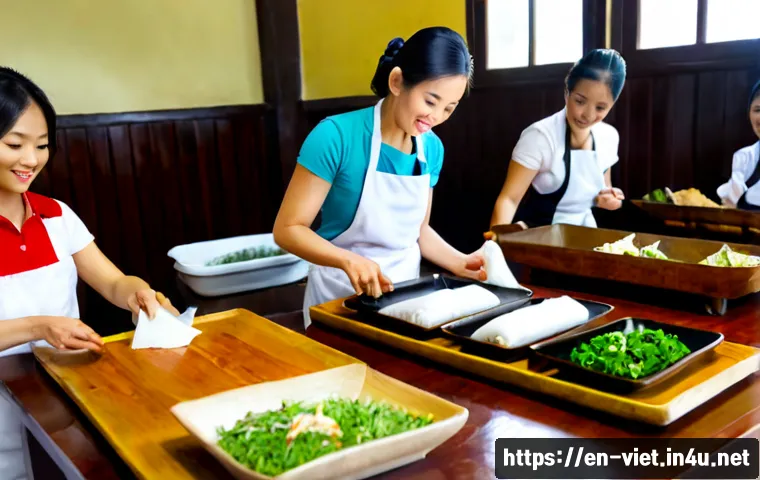
Watching the vendors ladle batter onto a hot skillet and add shrimp, pork, and bean sprouts is almost hypnotic. I love wrapping a piece in fresh lettuce with herbs and dipping it into a tangy sauce for that perfect bite.
This dish requires a bit of technique to eat properly, but once you get the hang of it, the explosion of savory, crispy, and fresh flavors is addictive.
Around the Night Markets: Food and Atmosphere
Sampling Skewers and Grilled Delights
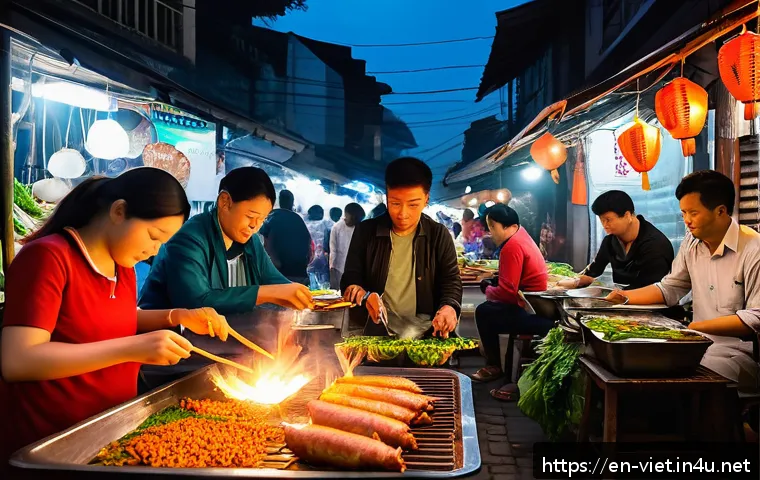
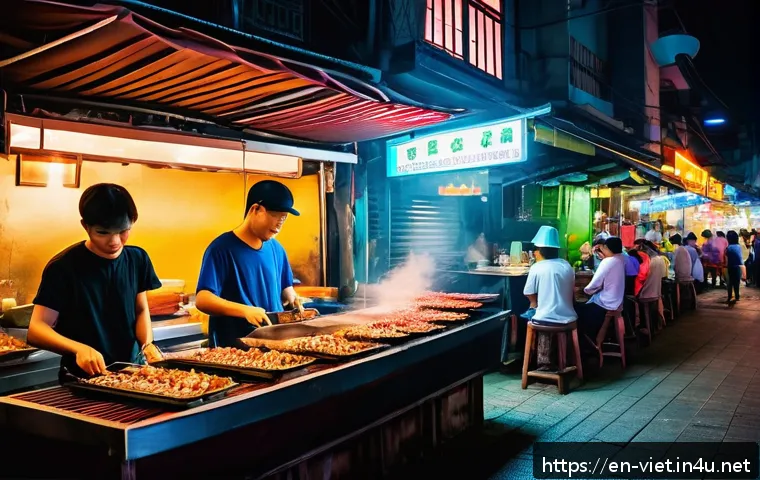
Night markets are where Vietnam’s street food culture truly shines. The smell of grilled skewers—beef, chicken, squid, and even exotic meats—fills the air, making it impossible to resist.
One night, I wandered through a lively market where vendors shouted their specials while flames flickered under skewers, creating an irresistible smoky scent.
The best part? The affordable prices and the chance to sample a variety of meats and veggies on sticks, each with unique marinades and spice blends. Sharing these with friends over a cold drink felt like the ultimate street food experience.
Sweet Treats to End Your Day
After a savory feast, the sweet stalls beckon with colorful desserts like che (sweet soup), fresh fruit with chili salt, and sticky rice treats. I tried a coconut jelly dessert that was refreshingly light after a heavy meal, and the vendor’s warm smile made it even sweeter.
These desserts often use natural ingredients and are perfect for those who want to explore beyond the usual Western sweets. The texture contrasts and vibrant colors alone make these desserts a must-try when exploring night markets.
Local Drinks That Complement the Flavors
What’s street food without a perfect drink pairing? From freshly squeezed sugarcane juice to iced Vietnamese coffee, these beverages not only quench your thirst but enhance the meal.
I found that a glass of lime soda with a pinch of salt or a cold beer can perfectly balance the intense flavors of grilled meats and spicy sauces. Vendors often mix herbs and fruit in creative ways, so don’t hesitate to try something new.
These drinks add an extra layer of refreshment and often become the highlight of the street food journey.
Essential Tips for Navigating Vietnamese Street Food
Spotting the Best Vendors
One thing I’ve learned is that the busiest stalls are usually the tastiest. Locals know where to eat, so if you see a long queue or a place crowded with families, it’s a good sign.
Don’t be shy to ask for recommendations or watch how locals order and eat. Hygiene can vary, but many street vendors take great pride in cleanliness and use fresh ingredients daily.
Trusting your senses—smell, sight, and even intuition—helps avoid unpleasant surprises.
How to Order Like a Local
Ordering street food can be a fun adventure in itself. Many vendors don’t speak perfect English, but pointing at dishes or using simple phrases like “mot phan” (one portion) works wonders.
Watching others order can give clues about portion sizes and popular add-ons. It’s also common to share dishes among friends, so don’t hesitate to try a bit of everything.
I once watched a local add extra herbs and squeeze lime on their dish; small touches like these can transform your meal.
Understanding Vietnamese Food Culture
Vietnamese street food is deeply tied to social and cultural traditions. Meals are often communal, emphasizing sharing and enjoying food together. The vibrant markets and street stalls are not just about eating but about community and connection.
When you sit at a tiny plastic stool next to strangers, you become part of this lively tapestry. Respecting local customs, such as eating with chopsticks and using shared sauces, enriches the experience and shows appreciation for the culture behind the food.
Comparing Popular Vietnamese Street Dishes
| Dish | Main Ingredients | Flavor Profile | Best Time to Eat |
|---|---|---|---|
| Pho | Beef broth, rice noodles, herbs | Umami-rich, aromatic, savory | Morning or anytime |
| Banh Mi | Baguette, pork, pickled veggies, herbs | Crispy, tangy, spicy | Anytime, especially lunch |
| Bun Cha | Grilled pork, rice noodles, fish sauce | Smoky, sweet, tangy | Lunch or dinner |
| Cao Lau | Chewy noodles, pork, herbs | Subtle, savory, fresh | Lunch |
| Banh Xeo | Rice flour crepe, shrimp, pork, sprouts | Crispy, savory, fresh | Afternoon snack or dinner |
| Com Tam | Broken rice, grilled pork, egg | Savory, slightly crunchy | Lunch |
Experiencing the Senses: Beyond Just Taste
The Soundscape of Street Food
One thing that caught me off guard was how much the sounds contribute to the experience. The clatter of woks, sizzling grills, and vendors calling out create a lively symphony that makes the food even more enticing.
It feels like you’re part of a vibrant story unfolding around you. This sensory overload, combined with the aromas and sights, makes eating street food in Vietnam a full-bodied adventure rather than just a meal.
The Visual Feast of Colors and Presentation
Vietnamese street food is as pleasing to the eyes as it is to the palate. The bright green herbs, golden fried treats, and vivid pickled vegetables paint a colorful picture that invites you to dig in.
I remember how the contrast of the crunchy, golden banh xeo against fresh leafy greens made me want to take a photo before eating. These visual elements reflect the care and pride vendors put into their craft, turning simple dishes into works of edible art.
Touch and Texture Play
The variety of textures in Vietnamese street food amazed me—soft noodles, crispy pancakes, juicy grilled meats, and fresh herbs all combine to keep every bite interesting.
I often found myself closing my eyes to really savor the interplay of crunchy, chewy, and tender sensations. This tactile dimension adds a surprising depth, making you appreciate the craftsmanship behind each dish beyond just flavor.
Making the Most of Your Vietnamese Street Food Journey
Plan Your Food Stops
To truly experience Vietnam’s culinary diversity, it helps to plan a few key stops but also stay open to spontaneous discoveries. I usually start with iconic dishes like pho or banh mi and then explore lesser-known specialties recommended by locals.
Having a flexible itinerary lets you savor each bite without rushing, turning your food tour into a relaxing exploration.
Engage with Vendors
Talking to street food vendors can be one of the most rewarding parts of the trip. Many are eager to share stories about their recipes or family traditions.
I once learned about a secret ingredient in a vendor’s marinade just by asking, which made the dish taste even better. These personal connections add layers of meaning and enrich your understanding of the culture.
Stay Hydrated and Pace Yourself
Vietnam’s tropical climate can be intense, especially when walking between food stalls. Drinking plenty of water or fresh fruit juices helps keep your energy up.
I’ve found that pacing myself, alternating between savory and sweet dishes, makes the experience more enjoyable and less overwhelming. Plus, it allows you to savor each flavor without feeling stuffed too quickly.
Bring Cash and Small Bills
Most street vendors don’t accept cards, so having cash ready in small denominations makes transactions smoother. I recommend carrying Vietnamese dong in various small bills to avoid awkward moments or waiting for change.
This simple tip saved me from many frustrating situations and helped keep the focus on enjoying the food.
Respect Local Etiquette
Finally, respecting the local eating customs—like using chopsticks properly, disposing of waste responsibly, and being patient in crowded places—goes a long way.
Vietnamese street food culture is communal and lively, so embracing this spirit makes the experience more authentic and enjoyable. I’ve found that locals appreciate when visitors show genuine respect and curiosity, which often leads to warmer interactions and memorable moments.
In Conclusion
Vietnam’s street food scene is a vibrant journey of flavors, textures, and culture that goes far beyond just eating. Each dish tells a story, reflecting local traditions and personal touches from passionate vendors. Exploring these iconic street eats not only satisfies your palate but also immerses you in the heart of Vietnamese life. Whether you’re savoring a bowl of pho at dawn or sharing skewers at a bustling night market, the experience is unforgettable and deeply rewarding.
Helpful Tips to Remember
1. Follow the crowds—busy stalls usually mean great food and fresh ingredients.
2. Don’t hesitate to ask vendors or locals for their favorite dishes and how to enjoy them.
3. Carry cash in small denominations for easy and quick street food purchases.
4. Pace yourself by alternating between savory and sweet dishes to fully enjoy the variety without getting overwhelmed.
5. Embrace local customs like sharing dishes, using chopsticks properly, and showing respect to the vendors and fellow diners.
Key Takeaways
Vietnamese street food offers an authentic taste of the country’s rich culinary heritage, best experienced by engaging directly with local vendors and communities. Prioritizing hygiene and freshness by choosing popular stalls ensures a safe and delicious adventure. Planning your food stops while staying open to spontaneous finds creates a balanced and fulfilling journey. Lastly, respecting local dining etiquette enhances both your experience and the warmth of interactions with locals, making your trip truly memorable.
Frequently Asked Questions (FAQ) 📖
Q: What are some must-try Vietnamese street foods for first-time visitors?
A: If it’s your first time diving into Vietnam’s street food scene, I highly recommend starting with classics like Pho—a fragrant noodle soup that’s both comforting and flavorful.
Don’t miss Banh Mi, the iconic Vietnamese sandwich that perfectly balances crunchy baguette, savory meats, and fresh herbs. For a sweet treat, try Che, a colorful dessert made from beans, jellies, and coconut milk.
These dishes are widely loved but still capture the essence of Vietnam’s culinary heritage, making them perfect entry points for newcomers.
Q: How can I find authentic street food spots in Vietnam without getting overwhelmed?
A: Honestly, it can feel a bit daunting at first because the street food scene is so vast and lively. My best tip is to follow the locals—busy stalls usually mean the food is both delicious and safe.
Exploring night markets is another great strategy; these spots often gather the best vendors in one place. Also, don’t hesitate to ask vendors or nearby diners for recommendations.
I found that chatting with friendly locals led me to hidden gems that weren’t in any guidebook.
Q: Is street food in Vietnam safe to eat for travelers with sensitive stomachs?
A: I understand the concern because eating street food can sometimes feel risky, especially if your stomach is sensitive. The key is to choose stalls that appear clean and have a high turnover of food—this usually means fresher ingredients.
Drinking bottled water and avoiding raw vegetables if you’re unsure can also help. Personally, I had no issues after sticking to these simple precautions, and the flavors made it absolutely worth the little extra care.
Plus, many street vendors are well aware of hygiene standards now, especially in popular tourist areas.