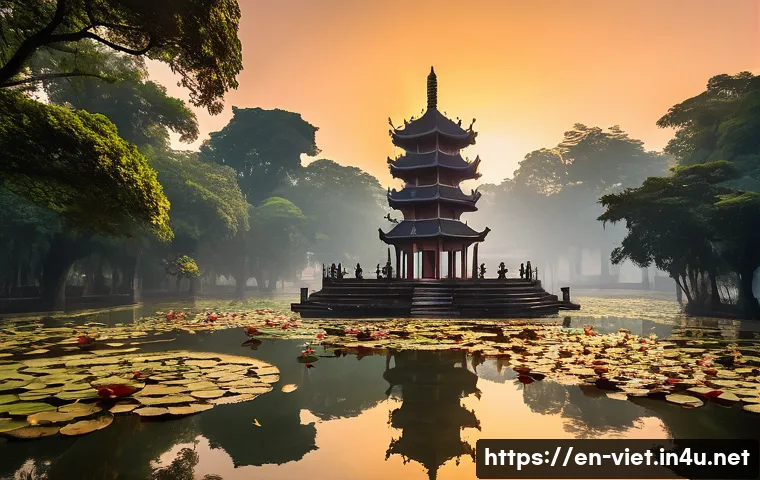
Exploring Buddhist temples in Vietnam offers a unique glimpse into the country’s rich spiritual heritage and serene landscapes. These sacred sites are not only architectural marvels but also vibrant centers of local culture and daily devotion.
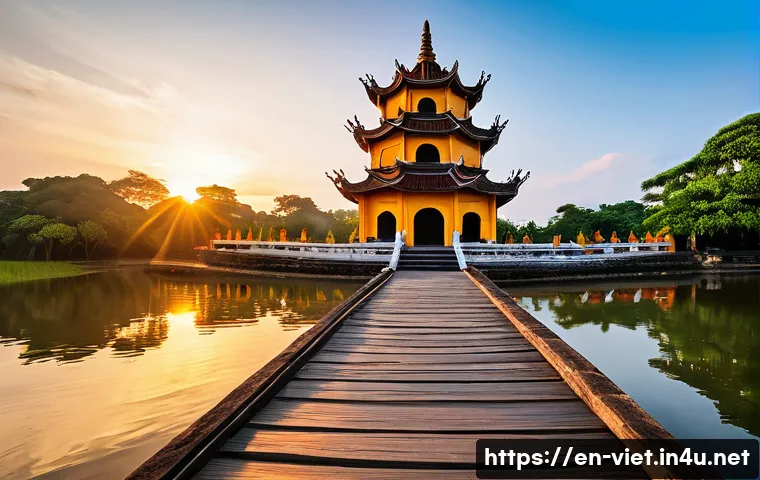
Walking through ancient pagodas, you can feel the peaceful energy that has drawn pilgrims for centuries. Whether you’re a history buff, a spiritual seeker, or simply curious about Vietnamese traditions, these temples provide a fascinating experience.
Join me as we dive deeper into the enchanting world of Vietnam’s Buddhist sanctuaries—let’s uncover their stories and significance together! Get ready to learn all the details in the following article.
Architectural Wonders of Vietnamese Buddhist Temples
Distinctive Design Elements and Symbolism
When you step into a Vietnamese Buddhist temple, you immediately notice the blend of intricate architectural styles that reflect centuries of cultural exchange and religious devotion.
Roofs curve upward gracefully, often adorned with dragon or phoenix motifs symbolizing protection and prosperity. The use of vibrant colors—reds, golds, and greens—adds a lively yet sacred atmosphere.
Stone carvings and wooden pillars feature lotus flowers, representing purity, and the Bodhi tree, under which Buddha attained enlightenment. These details aren’t just decorative; they tell stories and convey spiritual teachings, inviting visitors to slow down and absorb the deeper meaning behind every element.
Integration with Natural Surroundings
One of the things I found fascinating is how many temples harmonize with their natural environment. Temples are frequently nestled among lush greenery, near rivers, or perched on hillsides.
This positioning isn’t accidental; it reflects Buddhist principles of balance and mindfulness with nature. Walking paths lined with bamboo or stepping stones over koi ponds create a meditative space that enhances spiritual reflection.
I remember visiting a temple where the morning mist wrapped the entire complex in a serene veil, making the experience almost otherworldly. This seamless interaction between architecture and landscape offers a peaceful retreat from the bustle of daily life.
Evolution Through Time and Influence
Vietnamese Buddhist temples have evolved by absorbing influences from Chinese, Khmer, and Indian cultures, creating a unique fusion. For example, some older temples showcase Tang dynasty architectural features, while others display Cham motifs.
Over time, renovations and restorations have added layers of history visible in different construction materials and styles. This evolution makes each temple a living museum where you can trace the country’s shifting religious and cultural landscapes.
From wooden structures dating back hundreds of years to more modern buildings with traditional ornamentation, the diversity is stunning.
Rituals and Daily Life in Temple Communities
Morning Prayers and Offerings
If you arrive early at a temple, you’ll witness monks and devotees engaged in morning rituals that set a peaceful tone for the day. Chanting, incense burning, and bowing are common, creating a rhythmic and calming atmosphere.
I once joined a morning prayer session and was struck by the sense of community and devotion that transcended language barriers. Laypeople often bring offerings such as flowers, fruits, or food, symbolizing respect and gratitude.
These acts aren’t just formalities; they foster mindfulness and generosity, core values in Buddhism.
Festivals and Special Ceremonies
Throughout the year, temples become vibrant hubs of cultural and religious celebrations. Festivals like Vesak, which commemorates Buddha’s birth, enlightenment, and passing, draw large crowds.
During these times, temples are decorated with lanterns and banners, and the air fills with the scent of incense and sounds of traditional music. Participating in these festivals offers a window into the living traditions that keep Buddhism a dynamic force in Vietnamese society.
I recall joining a lantern release event at a riverside temple—it was magical to see thousands of glowing lights floating into the night sky, symbolizing hope and renewal.
Monastic Life and Community Support
Temples aren’t just places of worship; they serve as centers for education, charity, and social support. Monks dedicate their lives to studying scriptures, teaching meditation, and offering guidance.
Many temples run schools or clinics, supporting local communities in practical ways. During my visits, I noticed how villagers often gather around temples not only for spiritual reasons but also for social connection and aid.
This dual role strengthens the temple’s position as a cornerstone of both faith and everyday life.
Iconic Temples and Their Unique Stories
One Pillar Pagoda – Symbolism in Simplicity
The One Pillar Pagoda in Hanoi is famous for its unique design—built on a single stone pillar rising from a lotus pond. This architectural feat represents a lotus blossom, a symbol of purity emerging from muddy waters, which perfectly encapsulates Buddhist teachings.
Visiting the pagoda feels intimate and contemplative, with the surrounding pond adding to its tranquil vibe. I found myself reflecting on the balance between simplicity and profound meaning that this structure embodies.
Thien Mu Pagoda – The Seven-Story Icon
Located in Hue, Thien Mu Pagoda is renowned for its towering seven-story octagonal pagoda, which has become a symbol of the city. The pagoda’s design is rich in symbolism, each level representing a stage of enlightenment.
The temple complex sits on the bank of the Perfume River, offering breathtaking views that enhance the spiritual ambiance. I remember taking a boat ride to reach the pagoda at sunset—the golden light cast a serene glow over the site, making it a truly unforgettable experience.
Perfume Pagoda – Pilgrimage and Natural Beauty
The Perfume Pagoda is not just a temple but a vast complex of shrines built into limestone mountains. It’s one of the most important pilgrimage sites in Vietnam, especially during the Perfume Pagoda Festival.
The journey involves a scenic boat ride followed by hiking through caves and forest trails. This physical pilgrimage mirrors the spiritual quest for enlightenment.
I joined a group during the festival and was moved by the devotion and effort everyone put into reaching the sacred spots, which added a profound dimension to the visit.
Understanding Buddhist Art and Iconography
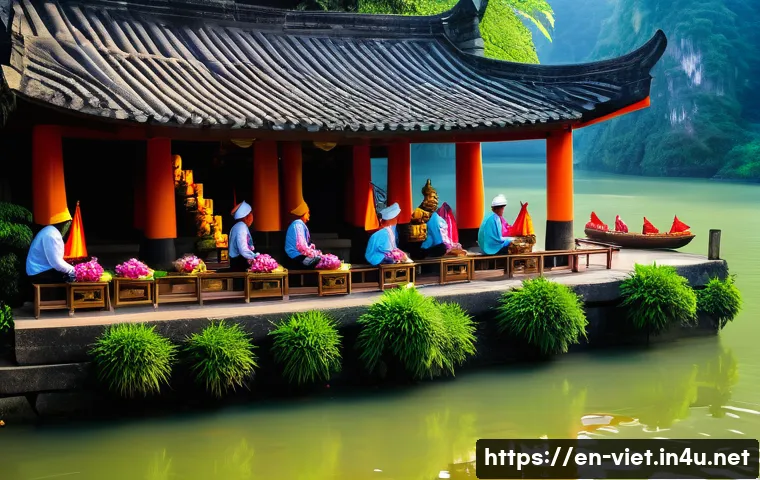
Statues and Their Meanings
Walking through temples, you encounter numerous statues of Buddha and bodhisattvas, each with distinct gestures and expressions conveying specific teachings.
For instance, the Buddha’s hand raised in the “abhaya mudra” symbolizes protection and fearlessness, while the “dhyana mudra” represents meditation and inner peace.
These statues are often crafted with meticulous detail, from serene facial features to flowing robes, inviting contemplation. When I spent time studying these images, I realized they serve as visual aids, helping practitioners focus their minds and deepen their understanding.
Mandalas and Symbolic Patterns
Many temples feature mandalas—circular designs representing the universe and the interconnectedness of all things. These intricate patterns are used in meditation and rituals, encouraging a sense of harmony and balance.
I was fortunate to witness a monk drawing a sand mandala, a painstaking process that illustrates impermanence as the artwork is later swept away. Such symbolic art forms enrich the spiritual environment, reminding visitors of Buddhist principles beyond words.
Calligraphy and Sacred Texts
Calligraphy plays a vital role in temple aesthetics and spiritual practice. Ancient scriptures and sutras are often displayed in beautifully brushed characters, highlighting the reverence for the Buddha’s teachings.
Some temples even hold classes where visitors can learn the art of Buddhist calligraphy, blending creativity with mindfulness. During my stay at a temple workshop, I found the slow, deliberate strokes to be a calming practice that deepened my appreciation for the sacred texts.
Practical Tips for Visiting Vietnamese Temples
Respectful Etiquette and Dress Code
One thing I learned quickly is that temples are active places of worship, so visitors should be mindful of local customs. Dressing modestly—covering shoulders and knees—is essential to show respect.
Removing shoes before entering certain areas and speaking softly helps maintain the peaceful atmosphere. I found that observing these small gestures not only honors the tradition but also enriches the experience by fostering a genuine connection with the space and its people.
Best Times to Visit and What to Expect
Visiting early in the morning or late afternoon offers the best light for photography and a quieter environment to absorb the temple’s serenity. Avoiding national holidays unless you want to experience vibrant festivals is advisable for those seeking tranquility.
Keep in mind some temples may have entrance fees or specific visiting hours. When I planned my trips around these factors, I enjoyed a more personal and immersive experience without the crowds.
Local Guides and Language Tips
Hiring a local guide can transform your visit from a simple sightseeing trip into an insightful cultural exchange. Guides often share stories and historical context you wouldn’t find in brochures.
Even if you don’t speak Vietnamese, many guides speak English and are eager to answer questions. I found that engaging with a guide added layers of meaning to my visits and opened doors to hidden gems within temple complexes that I would have otherwise missed.
Comparison of Notable Vietnamese Buddhist Temples
| Temple Name | Location | Architectural Style | Unique Feature | Best Visiting Time |
|---|---|---|---|---|
| One Pillar Pagoda | Hanoi | Traditional Vietnamese with symbolic lotus pillar | Single stone pillar design | Early morning |
| Thien Mu Pagoda | Hue | Classic pagoda with seven stories | Seven-story octagonal tower | Sunset |
| Perfume Pagoda | Near Hanoi | Mountain temple complex with caves | Pilgrimage route with boat and hiking | Festival season (Feb-April) |
| Tran Quoc Pagoda | Hanoi | Ancient with lotus pond | Oldest pagoda in Hanoi | Afternoon |
| Ba Dinh Pagoda | Ho Chi Minh City | Modern with traditional influences | Large Buddha statue and meditation halls | Weekdays |
Conclusion
Vietnamese Buddhist temples offer a fascinating blend of rich history, spiritual symbolism, and architectural beauty. Each temple tells a unique story through its design and rituals, inviting visitors to explore both cultural heritage and inner peace. Experiencing these sacred spaces firsthand reveals the deep connection between faith, nature, and community in Vietnam. Whether you seek tranquility or cultural insight, these temples provide a meaningful journey worth taking.
Useful Information to Know
1. Dress modestly when visiting temples, covering shoulders and knees to show respect for local customs.
2. The best times to visit are early mornings or late afternoons to enjoy peaceful surroundings and beautiful lighting.
3. Hiring a local guide can enhance your understanding with rich historical context and personal stories.
4. Participating in temple festivals offers a vibrant glimpse into living traditions and community life.
5. Many temples require removing shoes before entering certain areas, so be prepared to follow this etiquette.
Key Takeaways
Vietnamese Buddhist temples are not just architectural marvels but vibrant centers of spiritual practice and community support. Their designs blend symbolic artistry with natural settings, creating serene environments for reflection. Visitors should respect cultural protocols to fully appreciate the sacred atmosphere. Engaging with local guides and attending festivals can deepen your experience, while understanding the symbolism in art and rituals enriches your visit. Ultimately, these temples embody the harmony of tradition, faith, and daily life in Vietnam.
Frequently Asked Questions (FAQ) 📖
Q: What should I wear when visiting Buddhist temples in Vietnam?
A: When visiting Buddhist temples in Vietnam, it’s important to dress modestly and respectfully. Opt for clothing that covers your shoulders and knees—think long pants or skirts and tops with sleeves.
Avoid flashy or tight-fitting outfits, as temples are places of reverence. Wearing comfortable shoes that are easy to remove is also a good idea since you’ll often be asked to take them off before entering certain areas.
I found that dressing conservatively not only showed respect but also helped me blend in with locals and fully appreciate the spiritual atmosphere.
Q: Are visitors allowed to take photos inside the temples?
A: Generally, photography is permitted in many temple courtyards and outdoor areas, but it’s best to be cautious about taking pictures inside prayer halls or near monks.
Some temples have strict rules against photography in sacred spaces to preserve the sanctity and avoid disturbing worshippers. I always ask for permission or look for posted signs before snapping photos.
This approach helped me avoid any awkward moments and showed respect for the temple’s customs.
Q: What is the best time to visit Buddhist temples in Vietnam to avoid crowds?
A: To experience the serene beauty of Vietnam’s Buddhist temples without large crowds, early mornings on weekdays are ideal. Many locals come to pray at dawn, so visiting around sunrise can offer a peaceful and authentic glimpse into daily rituals.
Avoiding weekends and major Buddhist holidays also helps you steer clear of busy crowds. When I visited early in the morning, I felt a deep sense of calm and connection that’s hard to find during peak tourist times.