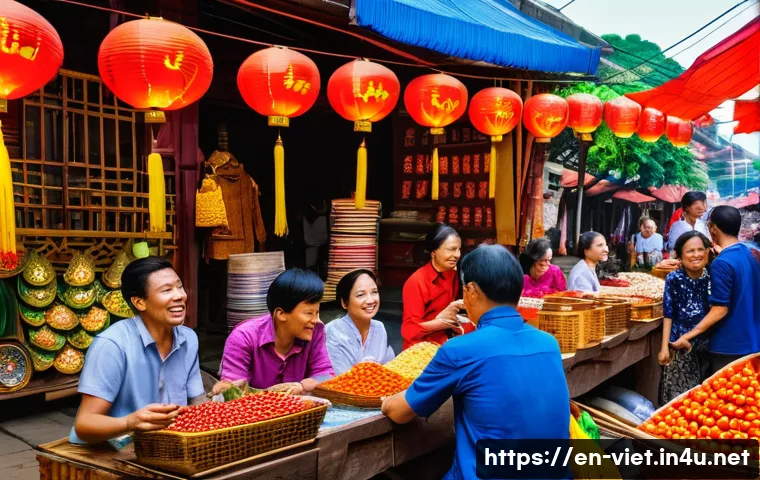
Exploring the vibrant markets and bustling streets of Vietnam offers a treasure trove of affordable shopping experiences that are both exciting and wallet-friendly.
From handcrafted souvenirs to fresh local produce, the key to getting the best deals lies in understanding local customs and mastering the art of negotiation.
Whether you’re wandering through Hanoi’s Old Quarter or Saigon’s night markets, there are countless opportunities to uncover unique items without breaking the bank.
Having tried shopping in various cities myself, I’ve gathered some insider tips that can make a real difference in your spending. Let’s dive into the details and discover how you can shop smartly and enjoyably in Vietnam!
Mastering the Art of Bargaining in Vietnam’s Markets
Understanding the Local Shopping Culture
Shopping in Vietnam isn’t just about picking up items; it’s an experience deeply rooted in local customs and traditions. Vendors expect some level of negotiation, so it’s essential to approach the process with patience and a friendly attitude.
Unlike fixed-price stores, street markets and small shops thrive on dynamic pricing. I noticed that smiling and engaging in light conversation before jumping into prices often sets a positive tone.
This approach not only makes sellers more willing to drop their prices but also enriches your cultural experience. Remember, bargaining is a dance — a balance between respecting the seller’s livelihood and finding a fair price.
Timing Your Visits for the Best Deals
If you want to snag the best bargains, timing is everything. Early mornings or late afternoons tend to be quieter, which means sellers might offer discounts just to close a sale.
On the other hand, visiting during peak hours can sometimes work in your favor since vendors compete more aggressively for attention. I found that markets like Ben Thanh in Ho Chi Minh City become less crowded towards closing time, making vendors more flexible.
Moreover, weekdays are generally better for low-key bargaining than weekends, when the crowds bring less urgency to sellers. Keep an eye on local holidays, too, as festive seasons might inflate prices but also bring unique limited-edition items.
Key Phrases That Help Seal the Deal
Learning a handful of Vietnamese phrases can work wonders. Simple greetings like “Xin chào” (hello) or “Cảm ơn” (thank you) immediately build rapport.
When it’s time to negotiate, phrases such as “Giá này được không?” (Is this price okay?) or “Có thể giảm giá không?” (Can you lower the price?) show respect and willingness to bargain.
I personally found that sprinkling in polite Vietnamese words softened the sellers’ stance and often led to better offers. Also, using body language—like shaking your head gently or smiling while countering—helps convey your message without sounding confrontational.
Discovering Authentic Handicrafts Without Overspending
Spotting Genuine Local Products
Vietnamese markets are bursting with handcrafted goods, from lacquerware to silk scarves. However, not every item labeled “handmade” is authentic. When I was shopping, I learned to check details like craftsmanship quality, material authenticity, and even ask about the artisan’s background.
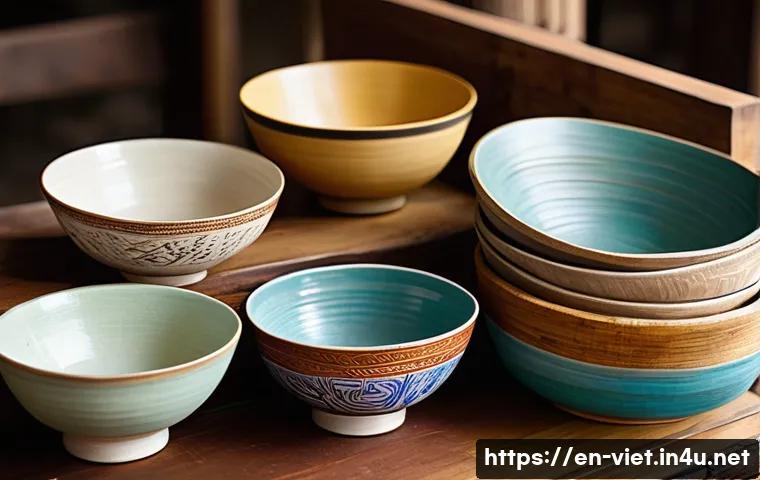
Genuine products often have subtle imperfections that machine-made replicas lack. For instance, hand-painted ceramics might show slight color variations, while factory-made ones look too uniform.
Don’t hesitate to ask sellers about the origins of their items; a knowledgeable vendor usually shares stories about the makers, which adds value to your purchase.
Choosing the Right Markets for Handicrafts
Certain markets have built reputations for offering authentic artisan goods at reasonable prices. Hanoi’s Dong Xuan Market and Hoi An’s Central Market are prime examples.
In these places, I found it easier to compare prices and quality across multiple stalls, which is great for bargaining. Avoid markets primarily targeted at tourists, where prices are inflated.
Instead, aim for local markets or neighborhoods known for specific crafts. For example, Bat Trang village near Hanoi is famous for ceramics, and visiting directly often means better prices and more authenticity.
Planning a trip to these specialized areas can be rewarding both culturally and financially.
How to Care for Your Handicrafts
Once you’ve found those perfect souvenirs, caring for them properly ensures they last long after your trip. I learned that lacquerware should be kept away from direct sunlight and moisture to preserve its shine.
Silk products benefit from gentle hand washing rather than machine cleaning. Investing in a small protective case or wrapping fragile items carefully while traveling can prevent damage.
Taking these extra steps not only protects your purchases but also respects the craftsmanship behind them, making your souvenirs even more special.
Maximizing Your Budget on Fresh Food and Street Snacks
Choosing the Best Street Food Vendors
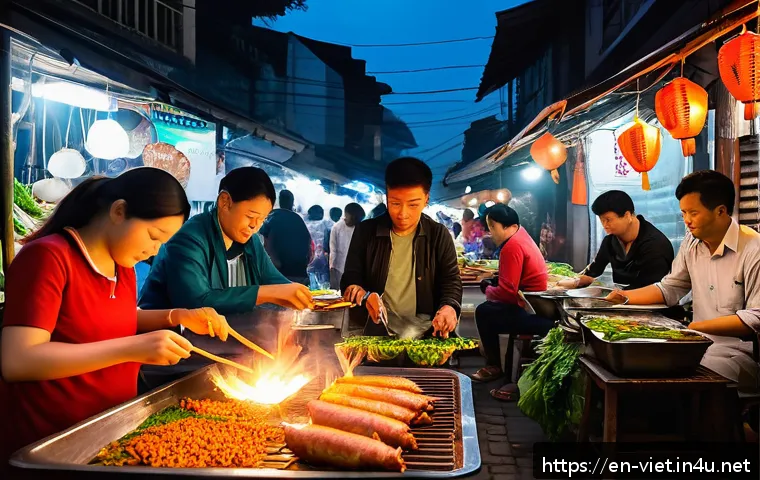
Vietnam’s street food scene is legendary, but picking the right vendor can save you money and guarantee quality. I found that stalls crowded with locals are usually trustworthy and offer the best value.
Avoid places with long lines of tourists where prices tend to be inflated. Asking locals for their favorite spots often leads to hidden gems where you can enjoy delicious dishes like pho, banh mi, or fresh spring rolls at a fraction of tourist market prices.
Observing cleanliness and food preparation hygiene also ensures you don’t pay for a cheap but unsafe meal.
Seasonal Produce and Market Shopping
Buying fresh produce from local markets is not only affordable but also a great way to taste Vietnam’s rich agricultural variety. Prices fluctuate with seasons, so learning what’s in season helps you avoid overpaying.
For example, tropical fruits like mangoes and dragon fruit are cheaper and tastier during their peak months. I personally enjoyed chatting with vendors to understand which items were freshest and best priced.
Many markets even allow small tastings, so you can try before you buy. Shopping this way supports local farmers and gives you access to vibrant, fresh ingredients for your meals.
Saving Tips for Food Markets
When visiting food markets, carrying small bills makes bargaining easier. Vendors prefer quick transactions without the hassle of breaking large notes.
Also, combining purchases with friends or fellow travelers can unlock bulk discounts. I recall a time in Ho Chi Minh City when buying multiple bags of herbs and spices led to a generous price cut.
Finally, don’t shy away from trying lesser-known local specialties—they’re often cheaper and offer an authentic taste experience. Experimenting with these foods adds an adventurous twist to your trip and keeps your food budget in check.
Smart Souvenir Shopping Strategies
Mixing Popular and Off-the-Beaten-Path Finds
While iconic souvenirs like conical hats and lacquerware are must-haves, branching out to lesser-known items can save money and bring unique stories home.
I stumbled upon beautifully crafted bamboo products and traditional herbal teas in smaller markets that were not only affordable but also meaningful gifts.
These items often reflect the region’s culture more deeply than mass-produced souvenirs. Exploring local neighborhoods away from tourist hotspots helps you find these treasures and avoid inflated prices.
Quality vs. Quantity: Making Thoughtful Purchases
It’s tempting to buy many small souvenirs, but focusing on quality pays off in the long run. I learned that a single well-crafted item can hold more sentimental value and last longer than several cheap trinkets.
Before purchasing, examine the workmanship and materials carefully. Sometimes spending a bit more upfront prevents buyer’s remorse later. Prioritizing items that resonate with your personal experience or the places you visited makes your collection more meaningful.
Packaging and Shipping Considerations
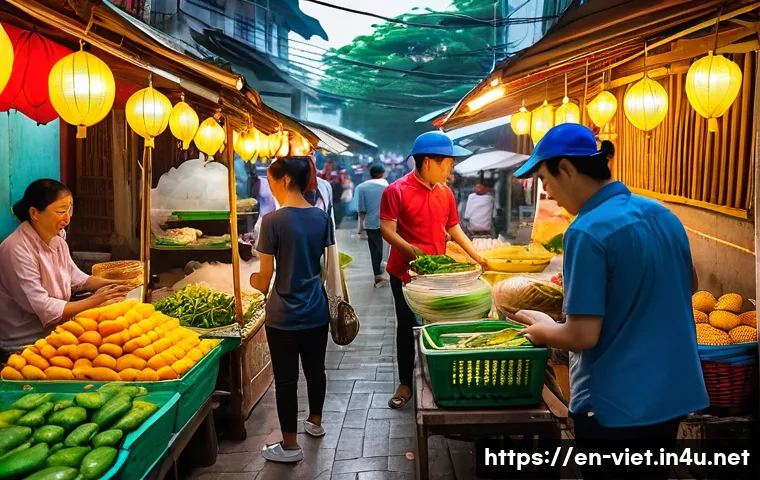
If you’re buying fragile or bulky souvenirs, think about how you’ll transport them home. Many markets offer wrapping services, but I found it helpful to bring my own sturdy bags or boxes.
For heavier purchases, shipping via local services can be cost-effective and less stressful than lugging items through airports. Checking with vendors about shipping options and costs beforehand saves surprises.
Taking these steps ensures your souvenirs arrive safely and lets you enjoy your trip without worrying about damage.
Essential Tools and Apps for Navigating Vietnamese Markets
Using Translation and Currency Apps
Language barriers can sometimes make bargaining tricky, but smartphone apps are a lifesaver. I relied heavily on translation apps to communicate specific questions or confirm prices.
Currency converter apps also helped me keep track of exchange rates and avoid overpaying unintentionally. Having these tools on hand boosts confidence during transactions and prevents misunderstandings that can lead to frustration or wasted money.
Navigation and Market Review Platforms
Before heading to a market, checking apps like Google Maps and local review platforms helped me plan efficiently. These apps provide real-time information about market hours, vendor ratings, and peak times.
Reading recent reviews offers insight into which stalls have the best deals or highest quality items. This kind of research saved me time and guided me toward worthwhile spots rather than random wandering.
Budget Tracking and Expense Management
Keeping an eye on your spending is crucial when faced with tempting bargains everywhere. I used simple budgeting apps to log my daily expenses, which helped me stay within limits without missing out on special finds.
Setting daily spending goals made shopping more deliberate and less impulsive. This strategy also gave me a sense of control and satisfaction as I balanced enjoying the market atmosphere with financial responsibility.
Common Mistakes to Avoid for a Smoother Shopping Experience
Overlooking Vendor Signals
One mistake I often saw tourists make was ignoring subtle cues from sellers. If a vendor seems reluctant or hesitant, pushing too hard on price can backfire.
I learned to read body language and tone — sometimes walking away politely prompts a better counteroffer. Respecting these social dynamics makes the interaction more pleasant and fruitful.
Failing to Compare Prices
Jumping at the first “good” deal can mean missing out on better bargains nearby. I recommend spending some time comparing prices across stalls before making a decision.
Markets are competitive, and vendors adjust prices based on demand and customer interest. Taking this extra step increased my savings significantly and helped avoid buyer’s remorse.
Ignoring Quality Checks
Price isn’t everything; quality should never be sacrificed. I once bought a silk scarf that looked perfect but felt cheap because I didn’t inspect it closely.
Learning to test fabric texture, check stitching, or even smell products like incense ensures you get what you pay for. Being mindful during purchase prevents disappointment and adds value to your shopping haul.
Budget-Friendly Souvenir Ideas That Capture Vietnam’s Spirit
Affordable Textiles and Accessories
Vietnam’s vibrant textile industry offers scarves, bags, and clothing items that fit any budget. I found colorful, handwoven scarves at modest prices that made perfect gifts.
Lightweight and easy to pack, these accessories bring a touch of Vietnamese artistry to everyday wear. Markets specializing in textiles are great spots to find a variety of styles without spending a fortune.
Locally Produced Coffee and Tea
Vietnamese coffee is famous worldwide, and buying local beans or tea leaves is both economical and authentic. I picked up packages of robusta coffee and fragrant lotus tea at markets, which made fantastic souvenirs for friends and family.
These consumables are lightweight and won’t break, making them ideal for travelers mindful of luggage space.
Traditional Art Prints and Postcards
For a budget-conscious souvenir, art prints and postcards featuring Vietnamese landscapes or cultural scenes are perfect. They’re inexpensive, easy to pack, and capture the essence of your journey.
Many markets have stalls selling beautiful prints created by local artists, offering a unique keepsake that supports the creative community.
| Souvenir Type | Average Price Range (VND) | Where to Buy | Tips for Bargaining |
|---|---|---|---|
| Lacquerware | 150,000 – 500,000 | Hoi An Market, Bat Trang Village | Inspect quality, ask artisan background, negotiate politely |
| Silk Scarves | 100,000 – 300,000 | Hanoi Old Quarter, Dong Xuan Market | Check fabric texture, compare stalls, use local phrases |
| Coffee & Tea | 50,000 – 200,000 | Ben Thanh Market, Local Specialty Shops | Buy in bulk for discounts, ask for freshest batch |
| Handwoven Bags | 80,000 – 250,000 | Local Markets, Artisan Villages | Check stitching, bargain for sets, be friendly |
| Art Prints/Postcards | 20,000 – 100,000 | Street Vendors, Art Markets | Buy multiple for discount, examine print quality |
In Closing
Bargaining in Vietnam’s markets is more than just a transaction—it’s a cultural exchange that enriches your travel experience. By understanding local customs, timing your visits wisely, and using key phrases, you can enjoy fair prices and genuine products. Remember, patience and respect go a long way in building connections with vendors and making your shopping memorable.
Useful Tips to Keep in Mind
1. Always greet vendors warmly and engage in light conversation before discussing prices to build goodwill.
2. Visit markets during off-peak hours or weekdays for better deals and less crowded shopping environments.
3. Learn a few basic Vietnamese phrases related to bargaining to show respect and improve communication.
4. Inspect items closely for authenticity and quality, especially when buying handicrafts and textiles.
5. Use mobile apps for translation, currency conversion, and budget tracking to make your shopping smoother and more efficient.
Key Takeaways
Successful market shopping in Vietnam hinges on balancing respect for local culture with savvy bargaining skills. Take the time to compare prices, read vendor cues, and prioritize quality over quantity. Prepare with practical tools and knowledge to avoid common pitfalls, and you’ll return home with meaningful souvenirs and unforgettable memories—all while staying within your budget.
Frequently Asked Questions (FAQ) 📖
Q: How can I effectively negotiate prices in Vietnam’s markets without offending the sellers?
A: Negotiating in Vietnam’s markets is almost expected, and sellers generally enjoy a friendly bargaining process. The key is to start by offering about 50-70% of the asking price, then gradually increase your offer while keeping a smile and a respectful tone.
Avoid showing too much eagerness for an item, and if you walk away, sellers might call you back with a better deal. Remember, negotiation is seen as a social interaction rather than a confrontation, so staying polite and lighthearted usually leads to the best prices.
Q: What types of items offer the best value when shopping in Vietnam’s street markets?
A: Handmade crafts like lacquerware, silk products, and traditional textiles often provide excellent value, as they showcase local artistry and are usually cheaper than similar items abroad.
Additionally, local snacks, fresh produce, and street food ingredients are wallet-friendly and give you a taste of authentic Vietnamese flavors. Small souvenirs such as postcards, keychains, and conical hats also tend to be affordable and easy to pack.
My personal experience is that exploring different stalls and comparing prices can reveal hidden gems that offer both quality and low prices.
Q: Is it safe to use credit cards in Vietnam’s street markets, or should I carry cash?
A: While some larger shops and restaurants in cities like Hanoi and Ho Chi Minh City accept credit cards, most street markets and smaller vendors operate on a cash-only basis.
It’s best to carry enough Vietnamese Dong in small denominations for daily purchases to avoid any inconvenience. ATMs are widely available in urban areas, but be mindful of withdrawal fees and limits.
From my trips, I found that having cash on hand not only speeds up transactions but also helps you blend in and negotiate more naturally with vendors.