Traveling or working in Vietnam often comes with the challenge of navigating a language barrier, especially when it comes to English. While Vietnamese is the official language, English is increasingly becoming a valuable skill in urban centers and tourist hotspots.

Whether you’re ordering street food, negotiating at markets, or networking in business settings, knowing how to use English effectively can open many doors.
From understanding local accents to mastering common phrases, adapting your English communication style is key. Let’s dive deeper into how you can confidently use English while exploring Vietnam!
Understanding Local English Usage in Vietnamese Daily Life
How Vietnamese Accent Shapes English Communication
One thing I quickly noticed when chatting in English around Vietnam is how the local accent can change the way words sound. Vietnamese speakers often carry over certain intonations and pronunciations from their native language, which might make common English words sound a bit different.
For example, the “th” sound in English is often replaced with a “t” or “d” sound, so “think” might sound more like “tink.” It’s not a problem once you get used to it, but it’s good to be patient and listen carefully.
When you’re ordering food or asking for directions, you might find that locals speak a slower, more deliberate English, which actually helps in understanding each other better.
Personally, I found that repeating key words or confirming what was said helped avoid any confusion.
Common English Phrases That Work Everywhere
From my experience, having a handful of simple, clear English phrases can really smooth your interactions. Phrases like “How much is this?”, “Can you help me?”, or “Where is the bathroom?” are absolute lifesavers.
People in tourist areas like Ho Chi Minh City and Hanoi are generally familiar with these basics. It’s also handy to learn polite expressions like “Thank you” and “Excuse me,” as these show respect and friendliness, which locals truly appreciate.
When negotiating at markets, using English alongside some Vietnamese numbers or gestures often works best. I found that mixing a bit of body language with English phrases made bargaining both fun and effective.
Adapting Your English Style to Different Settings
English in Vietnam isn’t just about street-level conversations; business English is a whole different ballgame. In offices and more formal environments, people tend to use more structured and polite English.
I realized that when networking or attending meetings, it’s better to keep sentences clear and professional, avoiding slang or overly casual expressions.
On the other hand, when hanging out in cafes or chatting with younger locals, the English tends to be more relaxed, with some playful slang thrown in.
So, switching your style depending on who you’re talking to can make a big difference. From casual to formal, adapting your tone helps you connect better and shows you respect local communication norms.
Essential Vocabulary and Phrases for Everyday Situations
Key Words for Food and Dining
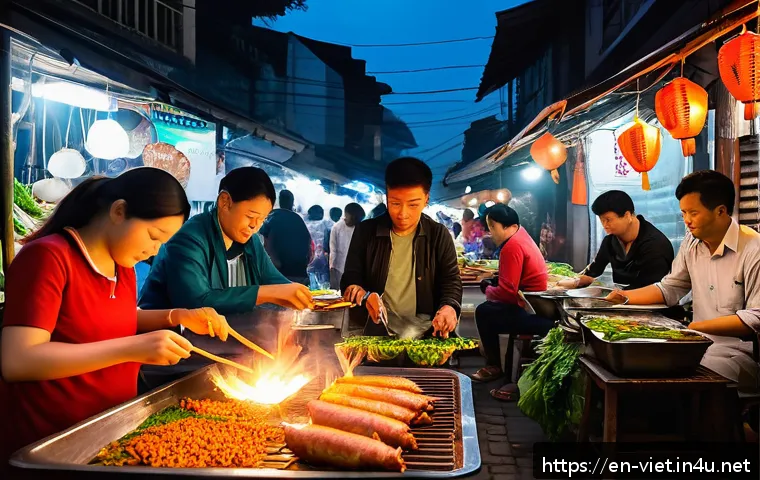
Eating out is one of the best ways to experience Vietnam, and knowing the right English words can make it much easier. Words like “spicy,” “vegetarian,” and “no MSG” come up often, especially in tourist-heavy areas.
I found that pointing to menu items while saying the English names works great when there’s a language gap. Also, phrases such as “I’m allergic to…” or “Can you make it less spicy?” are really helpful.
Many street vendors understand basic English food terms, but it’s always a bonus to use clear, simple words combined with a friendly smile.
Travel and Transportation Terms to Know
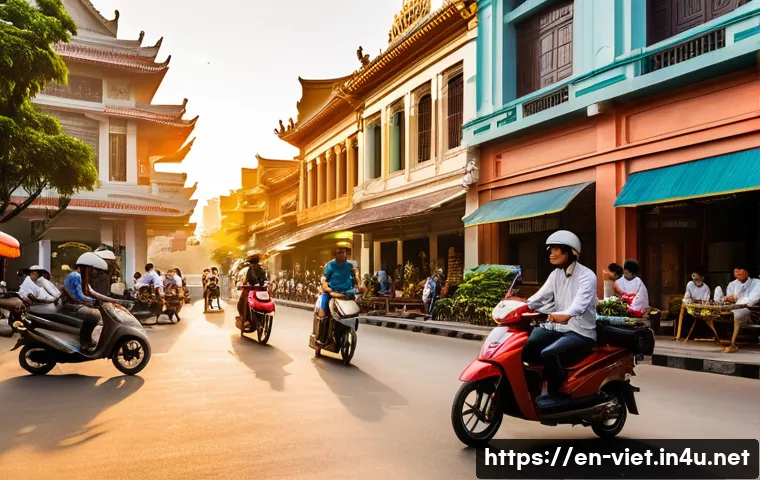
Getting around Vietnam can be an adventure, especially if you’re not familiar with local transportation lingo. Common English terms like “bus,” “taxi,” “motorbike,” and “airport” are widely recognized.
I remember once having to explain “drop me off here” to a motorbike taxi driver, and a simple phrase like that made the ride stress-free. If you want to be extra prepared, knowing how to ask “How much?” or “Is this the right way to…” can save you time and hassle.
Since traffic rules and signs might differ, confirming your destination in English before hopping on can prevent misunderstandings.
Shopping and Market Negotiation Vocabulary
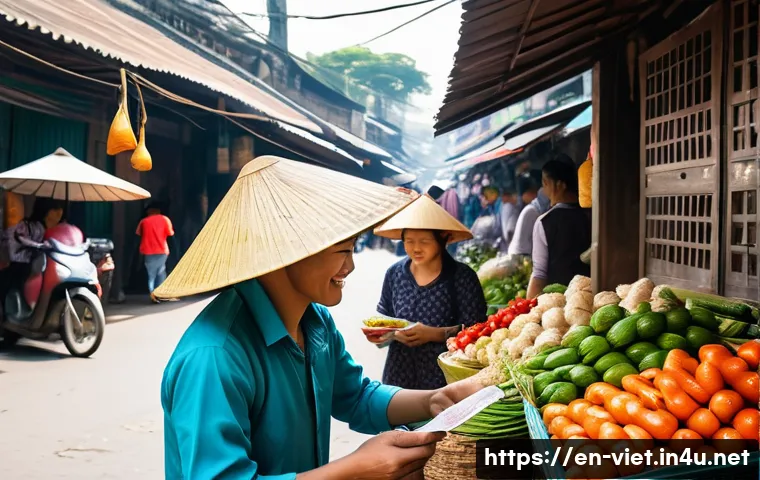
Markets in Vietnam are lively, and negotiating prices is part of the fun. English phrases like “What’s your best price?” or “Can you give me a discount?” come in handy.
I noticed that sellers appreciate when you try to speak slowly and clearly, even if your accent isn’t perfect. Numbers are crucial here — knowing to say “ten thousand dong” or “twenty thousand dong” confidently can help seal a deal.
Don’t hesitate to use body language to show your offer or point at items. Also, polite expressions like “Thank you” after the purchase go a long way in building goodwill.
Practical Tips for Improving English Communication in Vietnam
Listening Actively to Understand Different Accents
When I first arrived, I struggled a bit because the way English is spoken in Vietnam can vary widely between regions and individuals. Active listening became my go-to strategy — focusing on context clues and repeating back what I heard to confirm understanding.
This not only helped me avoid misunderstandings but also showed locals that I was genuinely engaged. I recommend slowing down your own speech and pausing to let others respond, which creates a more comfortable conversation flow for everyone.
Using Technology to Bridge Language Gaps
Smartphones are a lifesaver when English communication gets tricky. Translation apps like Google Translate can instantly turn Vietnamese text or speech into English and vice versa.
I often used these apps to double-check what I heard or to show a phrase if the person I was speaking with didn’t understand me. Voice input features also helped when typing was inconvenient.
Just keep in mind that machine translations aren’t perfect, so it’s best to use simple sentences and verify critical information in person when possible.
Practicing English with Locals and Fellow Travelers
One of the best ways to get comfortable with English in Vietnam is simply by practicing. I joined language exchange meetups and chatted with expats and locals interested in improving their English.
These informal settings allowed me to experiment with vocabulary and get immediate feedback. Plus, making friends this way enriched my travel experience.
Even casual conversations in cafes or hostels can boost your confidence and sharpen your skills, so don’t be shy about starting small talk in English wherever you go.
Common Challenges and How to Overcome Them
Dealing with Limited English Proficiency
While English is growing in popularity, many Vietnamese people, especially in rural areas, may have limited English skills. I learned that patience is key in these moments.
If you sense confusion, try rephrasing your sentence or using gestures. Avoid speaking too fast or using complicated vocabulary. Sometimes, drawing a quick picture or showing a photo on your phone can be surprisingly effective.
Remember, communication is a two-way street, and a friendly attitude can help bridge gaps faster than perfect grammar.
Handling Misunderstandings Gracefully
Misunderstandings are inevitable when speaking a non-native language, but how you handle them makes all the difference. I always tried to stay calm and smile, which helped defuse any frustration on both sides.
Asking simple questions like “Do you mean…?” or “Can you say that again?” encourages clarification without making anyone feel awkward. Sometimes, humor or lighthearted comments about language mix-ups can turn a potentially frustrating moment into a memorable and fun interaction.
Recognizing When to Seek Help
There were times when my limited Vietnamese and the local’s limited English made communication nearly impossible, especially in urgent situations like medical needs or legal matters.
In these cases, I found that asking for help from hotel staff, tour guides, or bilingual locals was invaluable. Many hotels provide English-speaking staff, and some local businesses employ employees who speak better English.
Having a contact number for emergency translation services or apps is a smart precaution, especially if you plan to explore more remote parts of Vietnam.
Quick Reference Table for Essential English Phrases in Vietnam
| Situation | English Phrase | Usage Tips |
|---|---|---|
| Ordering Food | “Is this spicy?” | Use to check food spice level; locals appreciate clarity |
| Asking for Directions | “How do I get to [place]?” | Pointing to a map or phone screen helps |
| Shopping | “Can you give me a discount?” | Speak slowly and smile to build rapport |
| Transportation | “Please take me to [destination].” | Show address in Vietnamese if possible for clarity |
| Emergencies | “I need help.” | Say clearly and loudly if urgent; seek bilingual assistance |
| Polite Interactions | “Thank you” / “Excuse me” | Always appreciated; shows respect and friendliness |
Building Confidence in Your English Skills While Abroad
Embracing Mistakes as Part of Learning
I found that the biggest hurdle was often my own hesitation. Making mistakes is inevitable when speaking a second language, but locals usually admire the effort more than the perfection.
After a few stumbles, I started laughing at myself and realized it actually made conversations lighter and more enjoyable. Accepting that errors are part of the process helped me speak more freely and connect better with people.
Setting Realistic Communication Goals
When I first started using English in Vietnam, I set small goals like mastering greetings or ordering food without confusion. This approach kept me motivated and prevented overwhelm.
Over time, I expanded my vocabulary and practiced more complex sentences. Setting achievable milestones helped me measure progress and stay confident, especially in a country where English is still a growing second language.
Leveraging Social Opportunities to Practice
Vietnam offers plenty of chances to speak English, from expat meetups to language cafes and volunteer groups. I made it a point to attend these whenever possible.
These environments are relaxed and supportive, perfect for trying out new phrases and getting feedback. Plus, meeting people from all over the world added a fun cultural exchange element.
Making English a part of your daily routine abroad turns learning into an adventure rather than a chore.
Wrapping Up
Mastering English communication in Vietnam is an enriching experience that goes beyond just language. Embracing local accents, adapting to different settings, and practicing regularly can greatly enhance your interactions. With patience and a friendly attitude, you’ll find that language barriers become stepping stones to meaningful connections. Keep exploring, learning, and enjoying every conversation along the way.
Useful Tips to Remember
1. Always listen carefully and be patient when communicating with locals, as accents and pronunciations may vary widely.
2. Carry a few essential English phrases for daily situations like ordering food, asking directions, and shopping to make your travel smoother.
3. Use technology like translation apps wisely, but rely on simple sentences and gestures to avoid misunderstandings.
4. Practice speaking English with locals or fellow travelers whenever possible to build confidence and improve fluency.
5. Stay calm and use polite expressions, even when misunderstandings happen, as kindness bridges language gaps effectively.
Key Takeaways for Effective English Communication in Vietnam
Understanding the influence of Vietnamese accents on English pronunciation helps avoid confusion and shows respect for local speech patterns. Tailoring your English style to fit formal or casual contexts increases your chances of being understood and accepted. Patience, active listening, and using simple, clear language are crucial when facing limited English proficiency. Leveraging technology and social interactions can accelerate your learning curve, while embracing mistakes fosters confidence and deeper cultural engagement. Ultimately, respectful communication and adaptability are your best tools for a successful English experience in Vietnam.
Frequently Asked Questions (FAQ) 📖
Q: How widely is English spoken in Vietnam, especially outside major cities?
A: English is becoming more common in big cities like Ho Chi Minh City and Hanoi, particularly in areas frequented by tourists and in business settings. However, outside these urban centers, English proficiency tends to drop significantly.
In rural areas, many locals may have limited or no English skills, so having a few basic Vietnamese phrases or using translation apps can be a lifesaver.
From my experience, being patient and using simple, clear English works best when communication gets tricky.
Q: What are some common English phrases that are useful when traveling in Vietnam?
A: There are several key phrases that can make your life easier, such as “How much is this?”, “Can you help me?”, “Where is the bathroom?”, and “I don’t understand.” When ordering food, phrases like “No spicy, please,” or “Is this vegetarian?” come in handy.
I found that locals appreciate it when you try to speak politely, so adding “please” and “thank you” goes a long way. Also, learning to say “hello” (xin chào) and “thank you” (cảm ơn) in Vietnamese shows respect and often opens doors to friendlier interactions.
Q: How can I improve my English communication to better connect with locals and avoid misunderstandings?
A: Adapting your communication style is key. Vietnamese accents can affect how English is pronounced, so listening carefully and speaking slowly helps a lot.
Avoid idioms or slang that might confuse listeners. Instead, use straightforward language and confirm understanding by repeating or rephrasing important points.
When negotiating or discussing business, patience and a friendly demeanor make a huge difference. Personally, I found that smiling and using gestures alongside English helped bridge gaps and made conversations more enjoyable.