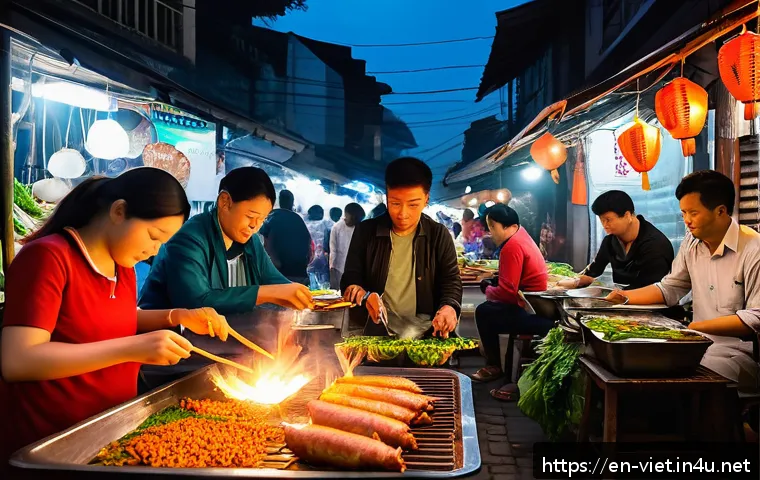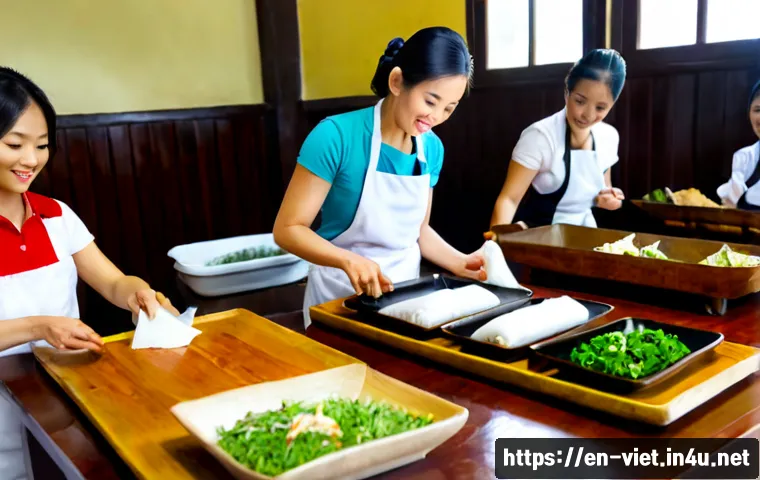
Choose a group Vietnamese cooking class for a social, structured experience, a private lesson for menu flexibility, or a market-tour package if learning ingredients matters as much as cooking.
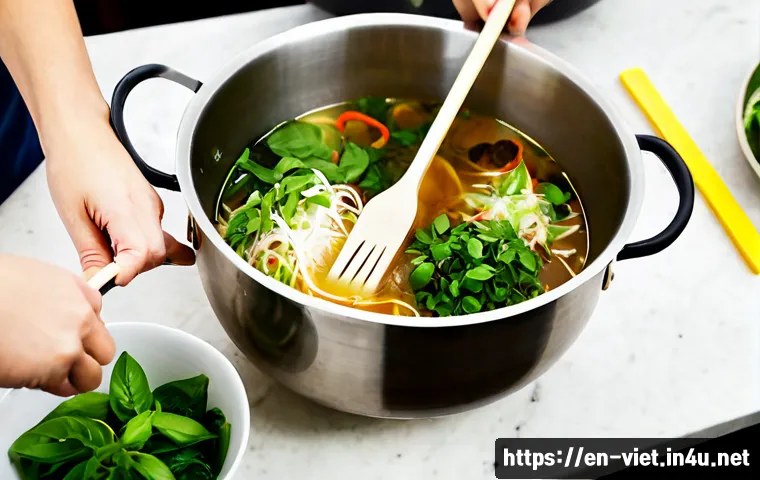
The best value is not always the lowest class price; it is the format that includes the time, support, ingredients, and practical skills you actually want.
Most hands-on classes combine guided preparation with a shared meal, but menus, group sizes, transfers, and dietary support can differ widely. A market visit can be useful for recognizing herbs, sauces, noodles, and produce, though it does not automatically include tastings or transport.
Before booking, compare the full inclusions list, allergy procedures, cancellation terms, and meeting details. This makes it easier to choose an experience that fits both your travel schedule and your home-cooking goals.
At a Glance
- Budget travelers: A group class is often the simplest option when you are comfortable with a fixed menu and timetable.
- Serious home cooks: A market-tour class or private lesson may offer more useful ingredient guidance and technique-focused learning.
- Couples and private groups: A private Vietnamese cooking lesson can be worth comparing when menu choices, dietary needs, or pacing matter.
| Class Format | Best For | Likely Inclusions | Value Checks Before Booking |
|---|---|---|---|
| Group class | Travelers who want a social, scheduled activity | Guided cooking, a fixed menu, ingredients, and a shared meal | Ask about group size, individual hands-on time, recipes, and drinks |
| Private lesson | Home cooks, families, couples, and guests with specific requests | More personal instruction and possible menu or dietary flexibility | Confirm the exact menu, kitchen access, dietary handling, and total class price |
| Market-tour package | Visitors interested in ingredients and food culture | Market introduction, cooking instruction, ingredients, and a meal | Check whether transport, tastings, purchases, and market ingredients are included |
What to Expect From a Hands-On Vietnamese Food Lesson
A Vietnamese cooking class usually centers on more than following a recipe. Many experiences combine an introduction to ingredients, hands-on preparation, cooking guidance, and a meal shared at the end. The exact pace and menu depend on the provider, location, and class format, so do not assume every lesson follows the same structure.
The Typical Flow: Ingredient Introduction, Cooking Practice, and a Shared Meal
A lesson may begin with an explanation of the ingredients used in the planned dishes. You may learn how herbs, sauces, produce, noodles, and other pantry staples contribute to a particular flavor balance. Vietnamese cuisine differs by region, so dishes and seasoning styles associated with northern, central, and southern areas may not be the same.
Cooking time can range from closely guided preparation to a more demonstration-led format. Ask one direct question before paying: Will each participant prepare the dishes, or will some steps be demonstrated? This matters if your goal is to repeat the techniques at home rather than simply enjoy a food experience.
What Recipes, Notes, and Take-Home Skills May Be Included
Some classes provide recipes or written notes, while others focus primarily on the in-person lesson. If you want to recreate the food after your trip, confirm whether recipe instructions are included and whether they identify practical substitutions.
This is especially helpful because ingredient availability outside Vietnam can affect how closely a dish can be reproduced. A useful instructor may explain how to recognize key ingredients and what role they play, rather than implying that every overseas substitute will create an identical result. For home cooks, that knowledge can be more valuable than a long menu.
Compare Class Formats Before You Book
The right Vietnamese cooking experience depends on your schedule, learning goal, and comfort with a fixed plan. Compare format first, then compare the advertised class price. A lower headline price may be suitable for a casual activity, while a more tailored option may make sense when you have specific cooking or dietary priorities.
Group Sessions: Social, Structured, and Often Simpler to Schedule
Group cooking classes commonly use a fixed menu and timetable. This can work well for solo travelers and visitors who want a clear activity with a shared meal. The social atmosphere may be a highlight, particularly if you enjoy cooking alongside other travelers.
The trade-off is limited flexibility. A fixed menu may not suit every preference, and individual attention can depend on the group size and the way the session is organized. Before booking a group class, review the listed dishes and ask whether participants handle the main preparation steps themselves.
Private Lessons: Customization, Dietary Flexibility, and Higher Per-Person Cost
A private cooking lesson may offer greater flexibility for a couple, family, or small group. Depending on the provider, it may be easier to discuss a preferred menu, cooking pace, or dietary request in advance. This format can also appeal to focused home cooks who want more time to ask questions about technique, ingredient selection, or substitutions.
Private does not automatically mean fully customized. Confirm what can actually be adjusted before comparing prices. Ask whether menu changes, ingredient substitutions, allergy handling, recipes, and market visits are part of the offer or require separate arrangements.
Market-Tour Packages: When the Added Time Is Worth It
A market tour can add practical context to a Vietnamese cooking class. Seeing fresh herbs, sauces, produce, and pantry staples before cooking can help you understand what you are using and why. For travelers who enjoy culinary travel, this may make the experience feel more complete.
However, a market visit should be evaluated by its details, not its label. It does not automatically mean transportation, tastings, every ingredient, or personal shopping time is included. It may be most worthwhile when you want ingredient-recognition skills and have room in your itinerary for a longer activity.
Evaluate Price by What the Experience Actually Includes
When comparing Vietnamese cooking class prices, use the total experience rather than the booking-page headline alone. Two sessions can appear similar but include different levels of instruction, ingredients, transport, meal service, and market access. Reading the inclusions carefully is a practical way to judge value without making assumptions.
Inclusions to Check: Ingredients, Transport, Market Tastings, Recipes, and Drinks
Look for a clear list of what is included in the class price. Useful items to check include ingredients, cooking equipment, recipe notes, the shared meal, drinks, market access, market tastings, transfers, and transportation from a meeting point. If an item matters to your plans, do not rely on a general description.
A market-tour add-on deserves particular attention. Check whether it is part of the standard session, optional, or merely a suggested activity. Also confirm whether the meeting point changes between the market and the kitchen.
Hidden-Value Questions: Group Size, Hands-On Time, and Cancellation Conditions
Value is also shaped by how the class is run. Ask about the expected group size, the amount of personal cooking time, and whether you will work individually or share tasks. A class with fewer participants may be more appealing if you want feedback, but the actual format matters more than a broad marketing claim.
Review cancellation conditions before finalizing a booking, especially when your travel schedule may change. Meeting time, location, language support, and transport arrangements should also be clear. These small details can affect whether a class feels convenient or stressful on the day.
When Paying More Can Be Reasonable
A higher-priced cooking experience may offer better value when it includes features you would genuinely use: a smaller setting, more personal instruction, a customized menu, dietary planning, a market introduction, or clearer recipe support. It may not be worth paying extra simply because a listing uses words such as “authentic.”
Authentic is subjective. Instead of relying on that label, look at the planned dishes, the teaching style, the ingredient discussion, and whether the class matches what you hope to learn.
Avoid Common Booking and Kitchen Mistakes
A cooking class should feel enjoyable, but food safety and communication deserve attention before you book. The most avoidable problems usually come from unclear dietary information, assumptions about participation, or incomplete details about the kitchen and meeting arrangements.
Confirm Allergies, Vegetarian Needs, and Cross-Contact Procedures in Advance
If you have an allergy, a vegetarian requirement, or another dietary restriction, contact the provider before booking whenever possible. Ask whether the requested adjustment can be accommodated and how cross-contact is handled during preparation. A menu that appears suitable does not by itself confirm safe preparation procedures.
For vegetarian travelers, it is also useful to confirm whether sauces, broths, and shared ingredients can be adapted. Do not assume that a listed vegetable dish means the full menu meets your needs.
Check Kitchen Cleanliness, Language Support, Meeting Points, and Timing
Kitchen cleanliness and food safety practices are important considerations for every participant. Look for clear provider information and ask questions if the description leaves you uncertain. You can also confirm the teaching language, especially if detailed technique explanations are important to you.
Check the meeting point and start time carefully. For a market-tour package, confirm whether the market and kitchen are in the same place and whether transportation is arranged. This is particularly useful when planning around hotel check-out, flights, or other tours.
Do Not Assume Every Listed Dish Will Be Prepared Individually
Some classes may divide tasks among participants, prepare certain components in advance, or demonstrate part of the menu. That can still be a pleasant and informative experience, but it is different from personally making each dish from start to finish.
If practical cooking is your priority, ask how much individual hands-on participation the class includes. If your priority is tasting a range of dishes and learning about ingredients, a more demonstration-oriented format may still suit you.
Choose the Right Experience for Your Travel Style or Cooking Goal
Your best option becomes clearer when you decide what you want to take away from the session: a cultural introduction, repeatable cooking skills, or a flexible private activity. Match the booking format to that goal before comparing class prices.
First-Time Visitors Who Want a Cultural Introduction
A group class or market-tour session may suit first-time visitors who want an approachable introduction to Vietnamese cuisine. A fixed schedule can make planning easier, and the shared meal creates a natural ending to the activity. A market component may be a useful extra if you want to see unfamiliar herbs, produce, and sauces in context.
Choose based on your available time. A market visit can be rewarding, but it may make the activity longer than a kitchen-only class.
Home Cooks Focused on Techniques They Can Repeat Abroad
Home cooks may benefit from a class that explains ingredient roles, preparation methods, and realistic substitutions. A private lesson can be worth considering if you want to ask detailed questions, but a well-structured group session can also be useful when recipe support and hands-on practice are clearly included.
Focus on the dishes you will realistically make again. Ask whether recipe notes are provided and whether the instructor can discuss ingredient availability outside Vietnam without overstating how identical the finished dish will be.
Couples, Families, and Small Groups Seeking a Private Activity
For couples, families, and friends traveling together, a private class may make planning simpler. It can offer more control over pace and possible menu preferences, depending on the provider. This may be especially useful when one person has a dietary concern that needs advance discussion.
Compare the private-class total carefully with a group booking. Confirm who is included, whether the lesson is truly exclusive, and what is covered by the stated price before making a decision.
Selection Criteria and Comparison Summary
Before booking, compare format, planned menu, market-tour details, ingredients and meal service, dietary procedures, meeting arrangements, and cancellation terms. Then decide whether you want the lowest-cost group format, ingredient-focused market time, or the flexibility of private instruction. Compare available dates, full inclusions, and cancellation conditions on the relevant booking page before you pay.
A group class can fit a simple social activity. A market-focused session can fit travelers who want help recognizing local ingredients. A private lesson can fit guests who value menu discussion, pacing, or more tailored instruction. The best choice is the one that makes its inclusions and limitations clear.
Final Thoughts
A Vietnamese cooking class can be a memorable food experience and a practical learning activity at the same time. Start with your main goal, then compare the class structure rather than choosing by promotional language alone. Clear questions about the menu, participation, hygiene, dietary needs, and total cost can prevent most booking surprises. A little checking in advance makes it easier to enjoy the meal and bring useful cooking ideas home.
Useful Things to Know
Regional variety matters: Vietnamese dishes can differ in herbs, noodles, flavor balance, and signature preparations across northern, central, and southern areas.
Market tours are not identical: Confirm what the visit includes, including transportation, tastings, and ingredient purchases.
Recipes are only part of the value: Recognizing ingredients and understanding substitutions can be especially helpful when cooking outside Vietnam.
Ask before assuming: Menu flexibility, allergy support, group size, and individual cooking time vary by provider.
Important Notes
Class prices, instructor qualifications, menus, group sizes, transport arrangements, and dietary accommodations vary by provider and location. A market-tour listing does not confirm that all tastings, ingredients, or transport are included. “Authentic” is a subjective marketing term, so review the actual lesson plan and inclusions before booking. For allergies or strict dietary needs, obtain confirmation directly from the provider in advance.
Frequently Asked Questions
Q1. How much should I expect to pay for a Vietnamese cooking class?
A1. Exact prices vary by location, provider, class format, menu, group size, and included services. Compare the full class price with what is included, such as ingredients, market access, transfers, recipe notes, drinks, and meal service. A private lesson may have a higher per-person cost, while a group session may be simpler for a fixed-budget activity.
Q2. Is a market tour worth paying extra for in a cooking class?
A2. It can be worthwhile if you want to recognize fresh herbs, sauces, produce, and local pantry staples before cooking. It may be less important if your priority is simply hands-on kitchen time. Check whether the market tour includes transportation, tastings, ingredients, or extra time before deciding whether the add-on offers value for your schedule.
Q3. Are Vietnamese cooking classes suitable for vegetarians and people with food allergies?
A3. Some providers may be able to accommodate dietary requests, but this varies. Contact the class in advance to confirm the menu, ingredient substitutions, and cross-contact procedures. Do not assume a vegetarian option or allergy-safe preparation is available solely because a booking description mentions dietary flexibility.