For most travelers, a Vietnam local market is best explored independently if you enjoy flexibility, simple food choices, and browsing at your own pace.
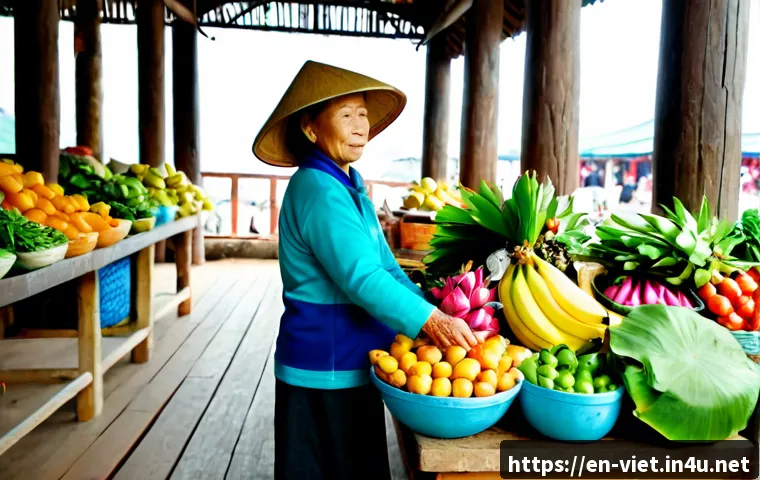
A guided food tour or private guide can add value when language support, food context, dietary communication, or limited time matter more than keeping costs low.
Arrive early, carry small Vietnamese đồng notes, and favor busy stalls where food is cooked hot and customers keep coming. Markets are useful for breakfast, fresh ingredients, practical souvenirs, and a closer look at everyday city life.
Prices, payment options, opening hours, and bargaining expectations can change from one market and stall to another. A little preparation makes the visit more comfortable without turning it into a rigid itinerary.
At a Glance
- Go early for the busiest fresh-food sections, breakfast stalls, and a more local daily rhythm.
- Bring small VND notes and ask about prices before ordering food or choosing non-fixed-price goods.
- Choose busy, well-managed food stalls, or consider a food tour if you want explanations and structured tastings.
| Option | Typical Cost Level | Flexibility | Language Help | Food Confidence | Best For |
|---|---|---|---|---|---|
| Self-guided market visit | Usually lower | High | Limited | Depends on your stall choices | Independent travelers and casual shoppers |
| Group food tour | Usually higher than exploring alone | Moderate | Useful local explanation | More structured tasting experience | First-time visitors and food-focused travelers |
| Private guide | Usually the highest | High | Direct support | Can be tailored to your needs | Short stays, dietary needs, and custom shopping |
What to Expect From a Local Market Visit in Vietnam
The Fastest Answer: Arrive Early, Carry Small VND Notes, and Choose Busy Food Stalls
A traditional market visit is often most rewarding in the early morning, when fresh produce, seafood, meat, and breakfast foods are especially active. Bring Vietnamese đồng (VND), ideally with smaller notes for modest purchases, because cash is commonly used for market transactions. If you are eating on site, watch how food is handled before you order. A stall with steady customer turnover, hot cooking, and an organized work area is generally a more sensible choice than one where food has been sitting unattended.
Early hours can also be easier for photography and browsing, but always ask before taking close-up photos of vendors, products, or customers. Markets are working spaces first. A relaxed, respectful approach will usually make interactions smoother.
How Traditional Markets Differ From Supermarkets, Night Markets, and Tourist Shopping Streets
Traditional markets are built around daily needs: ingredients, household goods, clothing, simple meals, and practical services. Supermarkets may feel easier for fixed prices and packaged products, while night markets often focus more on snacks, gifts, clothing, and visitor-oriented browsing. Tourist shopping streets can be convenient, but prices may differ from those at more local-focused stalls, particularly in heavily visited areas.
That does not mean one option is automatically better. A local market is ideal when you want atmosphere and everyday food culture. A supermarket can be helpful when you prefer clear labels or a predictable shopping process. A night market may suit an evening schedule. Choose the setting that fits your time, comfort level, and shopping goals.
What First-Time Visitors Should Prepare Before Entering
Keep your bag secure, carry a reusable shopping bag, and decide what you actually want to buy before you enter. A simple plan prevents impulse purchases and makes cash budgeting easier. It also helps to have a backup transport plan, especially if you are carrying food, gifts, or several bags.
Before ordering prepared food, confirm what you are getting and ask the price if it is not clearly displayed. Do not assume every market accepts the same payment methods. Check directly with the stall rather than relying on what worked elsewhere in the city.
Self-Guided Visit, Food Tour, or Private Guide: Which Is Better Value?
Comparison Table: Cost, Flexibility, Language Help, Food Confidence, and Local Context
The best-value option depends on what you need from the visit. A self-guided trip offers the most freedom to linger, skip stalls, or spend only on a few snacks and gifts. A guided food tour may cost more, but it can reduce the effort of choosing dishes and provide local context that is difficult to pick up from signs alone. A private guide is most useful when your schedule is tight or your market visit has specific requirements.
When a Guided Food Tour Can Justify the Extra Spend
A guided food tour can make sense if you are new to Vietnam, unsure about street-food choices, or interested in learning about ingredients and food customs while tasting several items. It may also be useful when you want a defined route instead of spending time researching markets, transport, and stalls independently.
Before booking, compare tour inclusions, meeting point, tasting format, group size, dietary communication, cancellation terms, and transport arrangements. A tour listing should make clear what is included and what may require extra payment. Do not assume all tours visit the same market or serve the same foods.
When Exploring Alone Is the Better Option for Your Itinerary
Explore alone when you want to move slowly, focus on shopping, revisit a favorite breakfast stall, or keep your spending under direct control. Independent market visits work especially well if your hotel is nearby and you can walk or arrange local transport easily. You can spend a short time browsing or make a longer morning of it without following a group schedule.
The trade-off is that you handle menu interpretation, price questions, stall selection, and navigation yourself. For many travelers, that is part of the experience. For others, it can take time away from sightseeing.
How to Budget for Food, Souvenirs, and Transport
Building a Realistic VND Spending Plan Without Relying on Fixed Stall Prices
Rather than expecting fixed market prices, create a simple VND budget framework with separate categories: snacks, a meal, gifts, transport, and an optional tour. This makes it easier to see where your money is going even when individual prices change daily. Keep a small reserve for an item you may want later or for your ride back to the hotel.
If you are shopping for souvenirs, decide whether you want one meaningful item or several small gifts. This avoids buying duplicates simply because they are easy to carry. For food, choose only what you can reasonably eat while it is fresh and properly handled.
Cash, Small Notes, Digital Payments, and Asking About Prices Before Ordering
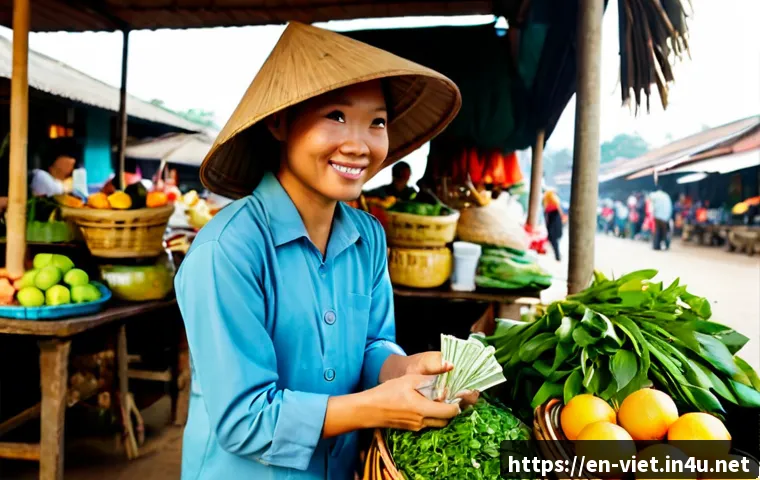
Cash remains practical for many small market purchases, and smaller VND notes can make payment simpler. Payment methods vary, however, so do not assume that a stall takes cards or digital payments. Ask politely before you order, especially if you are buying several items.
Price questions are not rude. A clear gesture, a calculator screen, or a short written amount can help when language is limited. Confirm the total before paying if there is any uncertainty. This is more useful than trying to negotiate every purchase.
Avoiding Overpriced Purchases Without Treating Every Vendor as a Negotiation Target
Prices can differ between local-focused stalls and vendors serving visitors. Compare similar products at more than one stall when shopping for clothing, accessories, or souvenirs. For prepared food and many fixed-price items, bargaining is usually less appropriate. A respectful shopper knows when to ask, when to compare, and when to simply decline.
If a price does not feel right for your budget, thank the vendor and keep looking. There is no need for confrontation. Your goal is a fair, comfortable purchase, not to win every exchange.

Eat, Shop, and Bargain Respectfully
How to Identify Busy, Well-Managed Food Stalls
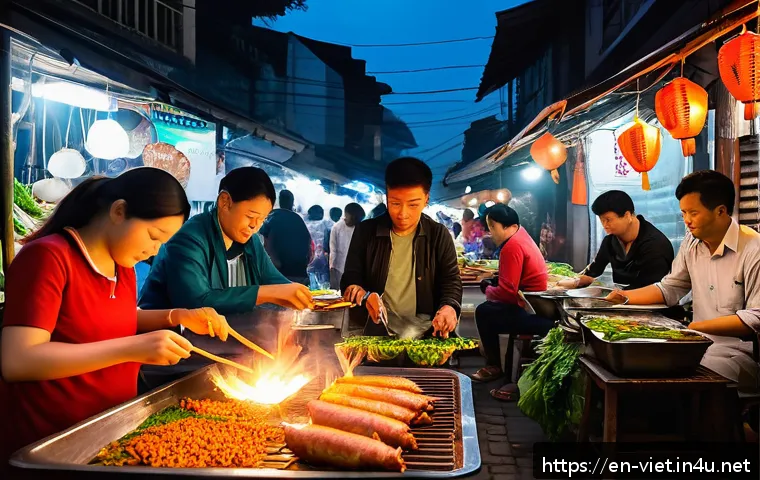
Look for signs of customer turnover, active cooking, and food served at a suitable temperature. Observe whether the vendor handles ingredients and payments in a way that feels organized to you. Hygiene can vary from stall to stall, and no market visit can guarantee a particular standard, so use your own judgment.
If you have dietary needs or concerns about ingredients, ask before ordering. A private guide or carefully selected food tour may be helpful when clear communication is essential.
Bargaining Etiquette for Clothing, Gifts, and Household Goods
Bargaining may be expected for some clothing, accessories, souvenirs, and household goods. Start politely, keep the exchange light, and be ready to walk away if the final price does not work for you. Avoid aggressive bargaining over small differences, especially when the vendor has already stated a clear final price.
Prepared foods, everyday staples, and clearly marked fixed-price goods are not always suitable for negotiation. When in doubt, ask the price once and decide whether to buy.
Common Mistakes: Touching Food Carelessly, Blocking Aisles, and Photographing Without Asking
Markets can be crowded and fast-moving. Avoid touching uncovered food unless invited, and do not block narrow aisles while deciding what to buy. Step aside after paying so other customers can move through. If you want a close photo, ask first and accept a no without pressure.
Match the Market Experience to Your Travel Style
For Food-First Travelers: Breakfast Stalls, Ingredient Markets, and Tasting Tours
Food-first travelers should prioritize an early visit, when breakfast stalls and ingredient sections are often most active. A self-guided visit gives you freedom to follow aromas and choose a simple meal. A food tour can be a better fit if you want explanations of unfamiliar dishes and a planned tasting route.
For Souvenir Shoppers: Comparing Handmade Goods, Textiles, and Packaged Specialties
For gifts, compare quality, finish, and pricing across several stalls before buying. Textiles, accessories, and packaged specialties may vary in availability and price from day to day. Ask whether an item is suitable for travel, and carry purchases in your reusable bag rather than relying only on single-use plastic bags.
For Short-Stay Visitors: Choosing Markets Near Your Hotel and Planning Transport Back
When time is limited, choose a market that is convenient to your hotel or other planned stops. A centrally located hotel can reduce the time and uncertainty involved in getting to an early market visit. Compare hotel location, walking access, and local transport options before finalizing your itinerary.
If you use a guided experience, check the meeting point and return arrangements. A convenient market visit should not create an awkward transport problem at the end of the morning.
Choosing Your Market Experience: Final Comparison Checklist
Choose self-guided exploration if flexibility, low spending, and unplanned browsing matter most. Choose a group food tour if you want local explanations, structured tastings, and less decision-making at each stall. Choose a private guide if you have dietary needs, limited time, mobility considerations, or a specific shopping list. Before deciding, compare market distance from your hotel, transport convenience, payment needs, tour inclusions, cancellation terms, and the amount of independence you want. For tours, hotel locations, travel insurance, and local transport, check the official details and conditions on the relevant booking page before confirming.
Final Thoughts
Vietnam’s local markets can be one of the most memorable parts of a trip because they combine food, shopping, and daily life in one place. The simplest approach is often the best: arrive early, carry small VND notes, observe before ordering, and buy only what you genuinely want. A guided experience is not necessary for everyone, but it can be a practical choice when time, communication, or food confidence is a priority. Stay respectful, stay flexible, and let the market set the pace.
Useful Things to Know
1. Early morning is often the busiest period for fresh produce, seafood, meat, and breakfast foods.
2. Carrying a reusable bag is useful for purchases and can reduce single-use plastic bag use.
3. Ask about prices before ordering when prices are not clearly displayed.
4. Compare similar non-food items at several stalls before committing to a souvenir purchase.
5. Check payment methods directly, as they can vary by market and vendor.
Important Notes
Opening hours, available goods, payment methods, individual prices, food quality, and bargaining customs can vary by city, market, stall, season, and day. Street-food hygiene also differs by vendor, so observe food handling, cooking temperature, and customer turnover before ordering. Tour prices, group sizes, inclusions, and cancellation conditions should be confirmed directly before booking. No market visit can guarantee a particular level of savings, authenticity, or food safety.
Frequently Asked Questions
Q1. Is it safe to eat street food at traditional markets in Vietnam?
A1. Street-food hygiene can vary by stall. Look for busy vendors, active cooking, suitable food temperature, and organized handling practices. Use your own judgment, and consider a guided food tour if you want more support selecting foods.
Q2. How much cash should I bring to a Vietnam market?
A2. Bring enough VND for your planned snacks, meal, gifts, and transport, with smaller notes for simple purchases. Exact spending needs vary by market and itinerary, so keep some cash in reserve and ask about prices before ordering or buying.
Q3. Is a guided market food tour worth the cost for first-time visitors?
A3. It can be worthwhile if you value local explanations, planned tastings, language help, and time efficiency. If you prefer flexibility and are comfortable observing stalls and asking prices, a self-guided visit may be the better value. Compare tour inclusions, meeting points, group size, and cancellation terms before booking.