Learn how to rent a motorbike in Vietnam, from choosing a rental shop and checking license requirements to comparing daily rates, deposits, insurance limits, bike condition, and city-versus-road-trip options.
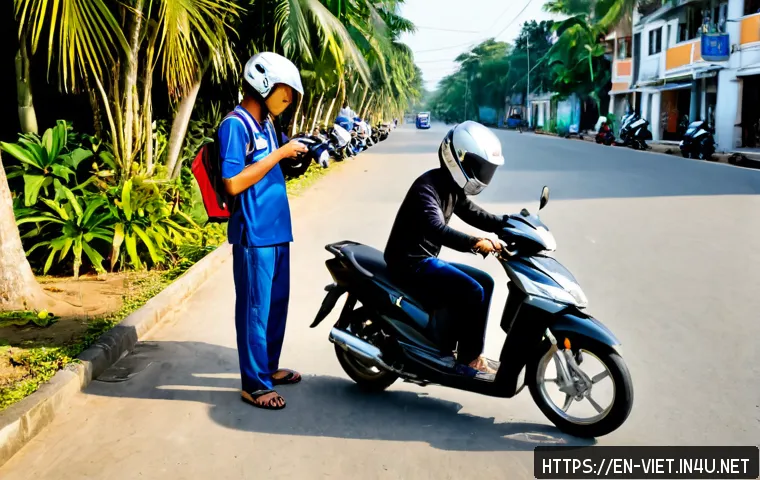
Renting a motorbike in Vietnam can be a practical choice if your licence, permit, and travel-insurance position support the type of bike you plan to ride.
Choose a bike that matches your real riding experience, then confirm the deposit, damage rules, equipment, and return terms before paying. A small scooter may suit short urban trips, while longer or hillier routes may call for a different plan—or a guided option.
The lowest advertised rental rate is only one part of the total cost. Compare rental conditions carefully, especially if delivery, one-way return, roadside support, or luggage capacity matter to your trip.
If the legal or insurance details are unclear, private transport or an organized motorbike tour can be the more sensible choice.
At a Glance
- Rent only after checking legal and insurance eligibility: a rental shop’s approval does not confirm that you are licensed or insured to ride.
- Match the motorcycle to the route: scooters are often simpler for short city use, while larger bikes require more experience and planning.
- Confirm the full rental terms before payment: check the deposit, damage liability, helmet availability, return process, and roadside-assistance conditions.
| Decision | Best Fit | What to Compare Before Booking |
|---|---|---|
| Scooter vs. manual motorcycle | A scooter may be easier for short trips and lighter packing; a manual motorcycle may suit riders with relevant experience and a suitable route. | Riding ability, luggage, traffic conditions, route length, and engine category. |
| City rental vs. one-way rental | City rental is simpler when returning to the same area; one-way plans need clear return and delivery arrangements. | Return location, delivery availability, mileage limits, deposit conditions, and breakdown support. |
| Self-ride vs. guided motorbike tour | Self-riding suits prepared, eligible riders; a guided option may be better when confidence, route knowledge, or insurance eligibility is uncertain. | Licence requirements, insurance coverage, route difficulty, passenger needs, and total trip cost. |
The Quick Answer: How to Rent Responsibly Before You Arrive
The responsible approach is simple: confirm whether you can legally and safely ride the motorcycle category you want, compare rental terms, and inspect the bike before accepting it. Do not treat a shop’s willingness to hand over a key as proof that your licence, international permit, or travel insurance is valid for that ride.
Confirm your licence, permit, and insurance position first
Check your eligibility before comparing motorbike rental prices. International driving permit rules can depend on the permit type, your home-country licence, and the motorcycle engine category. Your travel-insurance policy may also limit or exclude claims if you do not have the required licence, do not wear a helmet, or fail to follow policy conditions.
Ask your insurer direct questions about riding in Vietnam, the motorcycle category covered, passenger coverage, and the documents it expects you to hold. If the answer is unclear, do not assume a standard travel policy will protect you.
Choose the bike category that matches your riding ability
A rental choice should reflect your actual experience rather than the image of a road trip. A small automatic scooter can be easier to operate for local travel, especially when you are carrying limited luggage. Semi-automatic and manual motorcycles may require more familiarity with shifting, braking, hill starts, and handling a loaded bike.
Think about the entire route. Dense urban traffic, coastal roads, mountain terrain, rain, a passenger, and bags can all change how manageable a motorcycle feels. Pick the simplest option that genuinely fits the trip.
Book only after reviewing the deposit, damage, and return terms
Rental providers commonly ask for identification, a deposit, or both. The payment method and deposit amount vary, so confirm whether the deposit is a hold, how it is returned, and what may be deducted. Read the rules for scratches, tire damage, late return, fuel, delivery, and return location.
A low daily rate can be less useful if damage terms are vague or a one-way return is difficult to arrange. Ask for the written rental conditions and keep a copy.
Compare Rental Options, Expected Costs, and What Is Included
The headline hire rate is not the full cost of renting a motorbike in Vietnam. A useful rental comparison includes the bike itself, deposit exposure, fuel, safety equipment, delivery, potential damage liability, and any insurance gap you may need to address.
Scooter, semi-automatic, and manual motorcycle: practical differences
Scooters are generally the straightforward choice for travelers who need simple local transportation and have appropriate riding experience. They may work well for short city errands or relaxed nearby travel with light luggage.
Semi-automatic motorcycles can appeal to riders who are comfortable managing gears but want a different setup from a fully manual bike. Manual motorcycles are often considered for longer routes or more demanding terrain, but they are not automatically a better option. They require suitable skill, legal eligibility, and confidence in changing road conditions.
Before choosing, consider where a luggage rack is located, whether a passenger will ride with you, and whether the motorcycle feels stable and comfortable during the handover.
Daily, weekly, and longer-term hire: what to compare beyond the headline rate
Providers may offer different daily, weekly, or longer-term rental structures, but current prices vary by city and provider. Instead of relying on a single advertised number, compare what is included with each option. Ask whether there are mileage limits, whether delivery is available, and whether a return to another location is possible.
Also ask what happens if the bike develops a problem during your rental. Roadside assistance, replacement-bike availability, and support response can vary. A slightly higher rental price may be easier to evaluate when the terms are clearer.
Deposit, delivery, helmets, luggage racks, and roadside support
Confirm every included item in writing. Helmets are generally required for both riders and passengers, so check that the available helmets fit properly and appear usable. If you need a luggage rack, phone mount, rain protection, delivery, or roadside help, ask whether it is included, available, or subject to separate conditions.
Do not assume that a provider’s “insurance” description covers all damage, injury, theft, or third-party situations. Ask what the term means in that specific rental agreement and compare it with your travel-insurance coverage.
A Step-by-Step Rental Process at the Shop or Delivery Point
A careful handover takes only a little time and can reduce avoidable disputes. Treat the collection point as the moment to verify paperwork, test basic equipment, and document the motorcycle’s existing condition.
What identification and payment details a provider may request
A rental shop may ask for identification, a deposit, or both. Accepted payment methods differ by provider, so ask in advance if you need a particular payment option. Bring the documents you need for the rental, but remember that providing identification does not replace the need to meet licensing and insurance requirements.
Before you accept the key, make sure you know the return time, return location, contact method for problems, and process for releasing or returning your deposit.
Inspect brakes, tires, lights, mirrors, horn, fuel, and existing scratches
Inspect the motorcycle in good light. Check the brakes, tires, lights, mirrors, horn, fuel level, controls, and visible body condition. Look for scratches, cracked panels, loose parts, and signs that equipment may not function as expected.
If something feels wrong, ask for clarification or another motorcycle. The maintenance history and roadworthiness of an individual rental bike cannot be assumed from its appearance or booking listing.
Photograph the condition and keep a copy of agreed terms
Take clear photos or video before leaving, including existing scratches and major parts of the motorcycle. A written condition record can help reduce later disagreement about pre-existing damage. Keep a copy of the rental terms, payment record, provider contact details, and any condition notes.
This is especially important when a deposit is involved. Document first, then ride.
Road Safety, Legal Readiness, and Insurance Gaps to Check
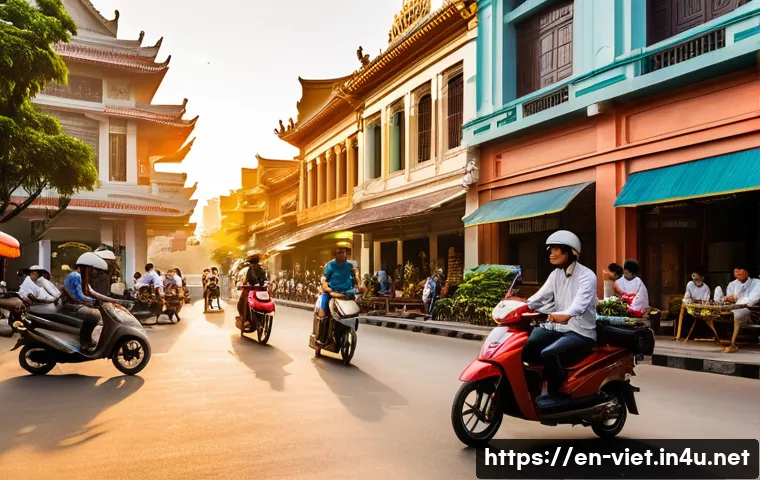
Vietnam drives on the right-hand side of the road, and traffic can feel unfamiliar even to experienced visitors. Legal readiness, protective equipment, and defensive riding matter as much as finding a convenient scooter hire shop.
Why rental availability is not the same as legal eligibility
A provider may agree to rent you a motorcycle, but that decision does not independently confirm that you are legally permitted or insured to ride it. Licence and international permit rules may vary based on the rider’s home-country licence, permit type, motorcycle class, and travel date.
Check the current official requirements that apply to you. If you cannot confirm them, choose another transport option rather than making assumptions at the counter.
Helmet use, passenger safety, and riding defensively in dense traffic

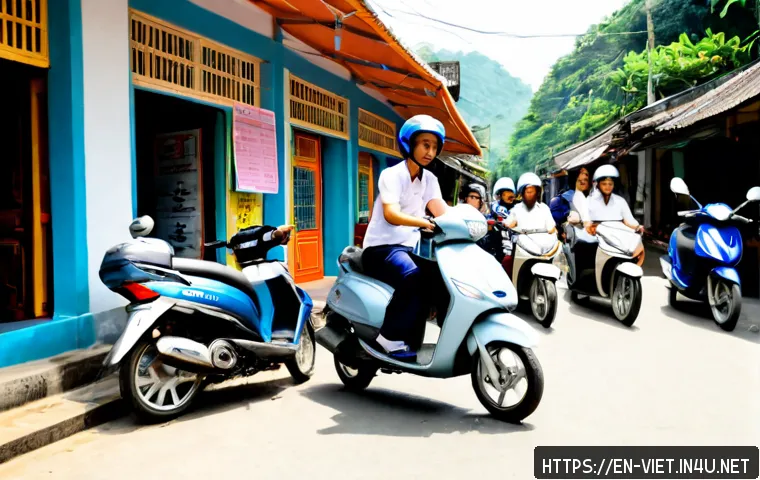
Helmets are generally required for riders and passengers. Check the fit before leaving and do not treat a supplied helmet as automatically suitable. If you are traveling with another person, consider whether the bike, luggage arrangement, and your riding experience are appropriate for carrying a passenger.
In busy traffic, leave room for unpredictable movement, avoid rushing, and give yourself time to learn the controls away from the most crowded areas. A route that appears short on a map may still demand full attention.
Questions to ask your travel insurer before riding
Ask whether your policy covers motorbike use in Vietnam and what conditions apply. Useful questions include whether your licence and permit meet the policy standard, whether helmet use is required, what motorcycle categories are covered, and whether passenger-related claims have separate conditions.
Travel insurance eligibility is not something to guess about after an incident. Get clarity before the rental starts.
Choose by Trip Type: Cities, Coastal Routes, Mountains, and Long-Distance Travel
The right option changes with the trip. The same motorcycle that feels manageable around a local area may be a poor fit for long-distance travel, steep terrain, heavy luggage, or a passenger.
When a small automatic scooter is usually the simpler option
For short city use or nearby outings, a small automatic scooter may be the simpler choice for a properly licensed and confident rider. It can reduce the complexity of gear changes and may be easier to manage when you have only a small amount of luggage.
That does not make city riding risk-free. Dense traffic requires attention, and a scooter should not be selected solely because it is common or inexpensive.
When a larger bike may be appropriate—and when it is not
A larger or manual motorcycle may be considered by riders with relevant experience who are planning a route that calls for it. However, more power, a heavier bike, or a more technical setup does not compensate for limited experience. It can add difficulty when roads, weather, luggage, or fatigue become factors.
Make the choice based on your ability to control the specific motorcycle, not just the distance you hope to cover.
When to use a driver, taxi, train, or guided motorbike tour instead
A private driver, taxi, train, or guided motorbike tour may offer better value when your licence status is uncertain, you are not comfortable in traffic, you want to enjoy the scenery without navigating, or you are carrying substantial luggage. A guided option can also be worth comparing when route knowledge and local support matter more than independence.
For travelers who only need transport between destinations, local transport may be more practical than accepting the legal, insurance, and damage-deposit responsibilities of self-riding.
Selection Criteria and Comparison Summary
Before paying, compare licence and permit eligibility, travel-insurance conditions, deposit and damage rules, included equipment, and return or roadside-support terms. Check whether the motorcycle category fits your experience and whether the route fits the bike. Review the written rental agreement before accepting delivery or leaving the shop. For official details and full rental conditions, check the relevant provider and insurer pages directly.
The five terms worth comparing between rental providers
Compare the rental rate alongside the deposit process, damage responsibility, included helmets or accessories, delivery and return arrangements, and breakdown support. These terms can matter more than a small difference in the daily price.
Red flags: unclear damage rules, poor maintenance, and missing documentation
Be cautious if a provider cannot explain damage charges, will not document existing scratches, offers equipment that appears unsuitable, or provides no clear rental record. An unclear return process or vague support arrangement can also create problems later.
Final booking checklist for a safer, better-value rental
Confirm your legal and insurance position. Choose a manageable bike category. Review deposit and damage terms. Inspect and photograph the motorcycle. Keep written terms and contact details accessible throughout the rental.
In Closing
Renting a motorbike in Vietnam can offer flexibility, but it also creates responsibilities that should be checked before your trip begins. Focus on legal eligibility, insurance compliance, bike condition, and written rental terms rather than the cheapest advertised rate. A smaller scooter, local transport, or a guided ride can each be the better choice depending on your route and experience. The best rental decision is one you can understand clearly before you pay.
Useful Things to Know
1. Vietnam drives on the right-hand side of the road.
2. Helmets are generally required for riders and passengers.
3. Pre-rental photos and a written condition record can help with damage disputes.
4. Deposit amounts and payment methods vary between rental providers.
5. Insurance and roadside-support terms should be checked for the exact booking, not assumed.
Important Notes
Current licence rules, accepted international permits, rental prices, deposit amounts, provider insurance, maintenance standards, and roadside assistance vary by traveler, motorcycle category, city, provider, and travel date. Confirm these details directly with relevant official sources, your insurer, and the chosen rental provider before riding.
Frequently Asked Questions
Q1. How much does it cost to rent a motorbike in Vietnam?
A1. Rental prices vary by city, provider, bike category, rental duration, included equipment, delivery options, and other terms. Compare the full cost, including deposit conditions, fuel, potential damage liability, and any insurance gaps—not only the advertised daily rate.
Q2. Is it safe for a first-time visitor to rent a scooter in Vietnam?
A2. Safety depends on your riding experience, legal eligibility, the motorcycle’s condition, traffic environment, helmet use, route, weather, and insurance compliance. If you are not confident riding in dense or unfamiliar traffic, consider a driver, taxi, train, or guided motorbike tour instead.
Q3. Do I need an international driving permit to rent and ride a motorbike in Vietnam?
A3. Requirements depend on your permit type, home-country licence, motorcycle category, nationality, and travel date. A rental shop agreeing to rent you a bike does not confirm that you meet the legal or insurance requirements. Check the current rules that apply to your specific situation before booking.