Hey there, history buffs and adventure seekers! Have you ever found yourself wandering through an ancient city, feeling that incredible buzz of untold stories just waiting to be discovered?
That’s exactly how I feel about Vietnam. It’s a country that’s not just stunningly beautiful with its breathtaking landscapes and bustling cities, but also incredibly rich in history.
When I first started digging into its past, I was genuinely surprised by how much there was to learn and how deeply its history continues to shape its vibrant present.
It’s no secret that Vietnam is becoming a hot spot for travelers and digital nomads alike, and understanding its roots, particularly the remarkable individuals who forged its path, truly enhances the entire experience.
Knowing the stories of these incredible leaders, thinkers, and warriors gives you such a deeper appreciation for the resilience and spirit of the Vietnamese people today.
It’s like finding hidden gems that make your journey so much more meaningful, giving you context to every temple, every monument, and every delicious bowl of pho.
You start to see the echoes of the past in the bustling markets and the serene rice paddies, and believe me, it’s a game-changer. If you’re anything like me, you’re probably itching to peel back those layers of time and truly connect with the legendary figures who sculpted this fascinating nation.
From valiant emperors to strategic generals, Vietnam’s past is populated by individuals whose courage, wisdom, and tenacity literally changed the course of history, not just for their own people but with implications that still resonate globally.
Getting to know their sagas isn’t just about memorizing names and dates; it’s about understanding the very soul of a nation, the struggles, the triumphs, and the enduring legacy they left behind.
My own explorations have led me to some truly inspiring tales that aren’t always front and center in typical history books, stories of passion, sacrifice, and an unwavering commitment to freedom that I find incredibly moving.
It’s like stepping into a living, breathing narrative, and I promise you, once you start, you won’t want to stop. Let’s really get to know these pivotal personalities and what makes their stories so compelling.
The Courageous Queens: Standing Against Oppression
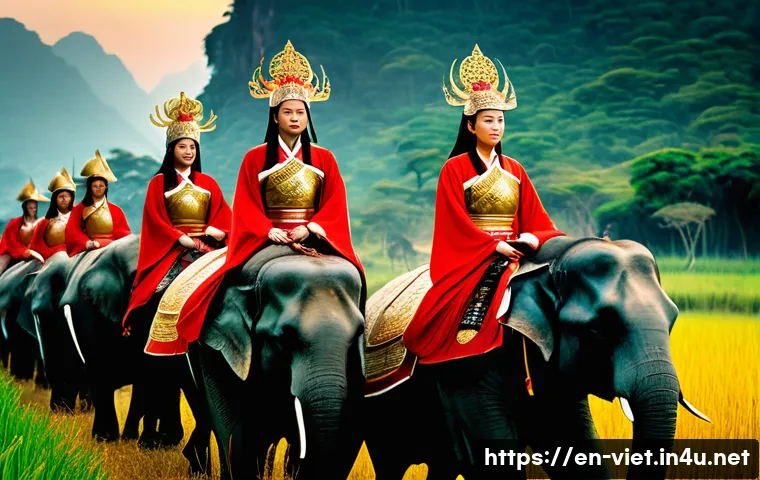
When I first delved into Vietnamese history, I was absolutely captivated by the stories of the Trưng Sisters, Trưng Trắc and Trưng Nhị. Their tale isn’t just a historical event; it’s a powerful narrative of courage, resistance, and the fierce spirit of a people determined to be free.
It takes you back to a time around 40 AD when Vietnam was under the harsh rule of the Han Dynasty. Imagine the sheer audacity it must have taken for two sisters, after their family suffered injustices, to raise an army and ignite a nationwide rebellion against one of the most powerful empires in the world.
I remember feeling chills reading about how they rallied local lords and their people, leading them into battle on elephants. It wasn’t just a rebellion; it was a reclaiming of identity and dignity.
For me, their story isn’t just about ancient history; it’s a timeless testament to the power of leadership, especially from women, in the face of overwhelming odds.
It truly makes you ponder what it means to stand up for what you believe in, no matter the cost.
Rallying the Spirit of a Nation
What struck me most about the Trưng Sisters was their ability to inspire. They weren’t just warriors; they were symbols. Their call to arms resonated deeply with the Vietnamese people who yearned for independence.
I’ve always been fascinated by how leaders manage to unite diverse groups under a single banner, and the Trưng Sisters excelled at this, transcending gender roles in a deeply patriarchal society to become national heroes.
For a brief period, they managed to establish an independent state, ruling as queens. This wasn’t just a military victory; it was a profound psychological triumph, proving that resistance was possible and that Vietnamese sovereignty was not just a dream but a tangible reality, even if fleeting.
Their legacy has permeated Vietnamese culture, symbolizing the indomitable spirit and the historical role of women in shaping the nation’s destiny, a tradition I’ve seen proudly celebrated in countless stories and monuments across the country.
An Enduring Legacy of Resistance
Even though their reign ultimately ended with the Han Empire reasserting control, the Trưng Sisters’ impact reverberated for centuries. Their sacrifice planted the seeds of future rebellions and became a touchstone for Vietnamese patriots throughout history.
When I visit historical sites in Vietnam, I often think about how their story must have inspired countless others to fight for freedom. It’s a powerful reminder that some battles, even if lost on the field, can win the war of ideas and leave an indelible mark on a nation’s soul.
Their memory isn’t confined to textbooks; it lives on in the national consciousness, celebrated annually and serving as a powerful symbol of Vietnamese resilience and the unwavering desire for independence.
Their story is a crucial piece of the puzzle if you really want to understand the deep-seated pride and fighting spirit of the Vietnamese people today.
Forging Independence: The First Great Victories
Fast forward a few centuries, and another formidable figure emerges, Ngô Quyền, who delivered a truly decisive blow to foreign domination and firmly established Vietnamese independence.
This man, in my opinion, was a strategic genius! His story is one I absolutely love sharing because it highlights the incredible ingenuity and understanding of local geography that Vietnamese leaders often possessed.
The year was 938 AD, and Vietnam was once again under Chinese rule. The Southern Han armada was sailing towards Vietnam, confident in their superior numbers and naval power.
But Ngô Quyền had a plan, a brilliant, audacious plan that leveraged the very environment against his enemies. It was a masterclass in asymmetrical warfare, and when I learned about it, I couldn’t help but be impressed by his foresight and leadership.
His victory wasn’t just a battle won; it was the foundation of an independent Vietnamese state that would last for a millennium.
The Battle of Bạch Đằng River
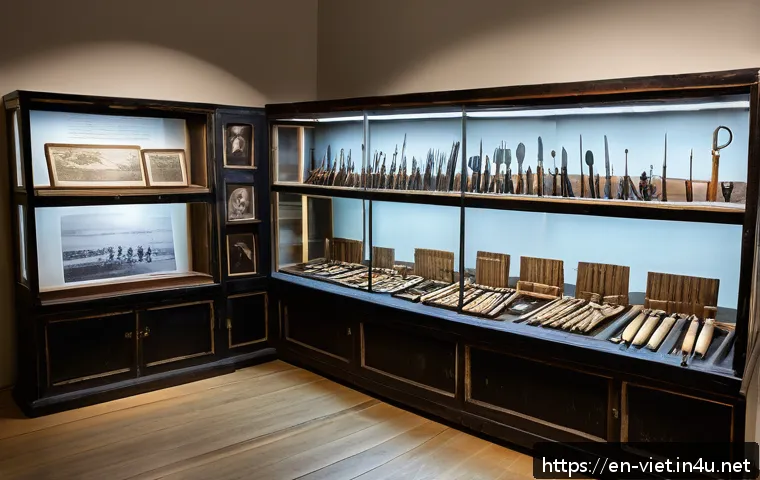
This is where Ngô Quyền truly shines. He devised a strategy that sounds almost mythical in its cleverness. Knowing the tides of the Bạch Đằng River, he ordered his men to plant sharpened wooden stakes, tipped with iron, into the riverbed at low tide.
These stakes were invisible to the unsuspecting Chinese fleet. As the high tide came in, Ngô Quyền lured the enemy ships deep into the river. Then, as the tide began to recede, his smaller, more agile boats attacked, pushing the Chinese deeper into the river.
When the tide dropped, the massive Southern Han ships were impaled on the stakes, becoming easy targets for Ngô Quyền’s forces. It was a complete and utter rout.
I can only imagine the chaos and the sheer terror on the Chinese side as their grand armada was systematically destroyed. This wasn’t just a battle; it was a psychological victory that echoed through the ages.
Laying the Cornerstone of Autonomy
Ngô Quyền’s triumph on the Bạch Đằng River was more than just a military success; it was the definitive moment that ended over a thousand years of Chinese domination and ushered in a long period of Vietnamese independence.
This victory established the Ngô Dynasty, but more importantly, it solidified the idea of a truly independent Vietnam. His leadership proved that the Vietnamese people possessed not only the will but also the strategic acumen to defend their sovereignty against any aggressor.
For me, his story underscores a critical lesson: understanding your environment and thinking outside the box can overcome even the most formidable opponents.
It set a precedent for future generations of Vietnamese leaders and instilled a deep sense of national pride and self-reliance that continues to define the country’s spirit even today.
Defenders of the Realm: Master Strategists
When you talk about military genius in Vietnam, it’s impossible not to mention Lý Thường Kiệt and Trần Hưng Đạo. These are the names that come up repeatedly when I discuss Vietnamese history with locals, and for good reason.
They weren’t just commanders; they were visionary leaders who understood strategy on a profound level, leaving behind a legacy of defensive innovation that protected Vietnam from powerful invaders.
Lý Thường Kiệt, in particular, was a fascinating figure from the Lý Dynasty. What always grabs me about his approach is his philosophy of proactive defense, believing that the best defense is often a good offense.
He lived at a time when the Song Dynasty of China was a constant threat, much like a looming storm on the horizon. His decisions and actions weren’t just about battles; they were about national survival.
Lý Thường Kiệt’s Preemptive Strike
Lý Thường Kiệt’s boldest move was his preemptive strike against the Song Dynasty in 1075. Instead of waiting for the Chinese to invade, he launched an offensive into Song territory, attacking their supply bases and disrupting their preparations.
This wasn’t just aggressive; it was incredibly smart. By taking the fight to the enemy’s doorstep, he bought valuable time for Vietnam to prepare its defenses and demoralized the Song forces before they even set foot on Vietnamese soil.
It’s like hitting your opponent before they even step into the ring, throwing them off their game. He even composed a famous poem, “Nam Quốc Sơn Hà,” which is often considered Vietnam’s first declaration of independence, proclaiming Vietnamese sovereignty and warning invaders.
This combination of military prowess and cultural assertion is what makes his story so compelling to me.
Trần Hưng Đạo: The Architect of Victory Against the Mongols
And then there’s Trần Hưng Đạo, a name that resonates with unparalleled reverence in Vietnam. He was the supreme commander who led Vietnam to victory against the Mongol invasions in the 13th century.
The Mongols, as we all know, were practically unstoppable, having conquered vast swathes of Asia and Europe. Yet, Trần Hưng Đạo, through brilliant strategy, unity, and unwavering resolve, defeated them not once, not twice, but *three times*!
His emphasis on national unity, encapsulated in his famous exhortation to his soldiers, “The nation’s fate hangs in the balance, let us fight for it together,” still echoes today.
His ability to rally the people, from emperors to peasants, under a common cause was legendary. He utilized scorched-earth tactics, guerrilla warfare, and another decisive naval victory on the Bạch Đằng River (yes, that river again!), echoing Ngô Quyền’s earlier triumph, to crush the Mongol forces.
His genius was in understanding both military tactics and the human element of warfare, proving that a united people can overcome any adversary.
Reclaiming Sovereignty: The Rise of the Lê Dynasty
The 15th century brought another period of Chinese domination, this time by the Ming Dynasty. This was a particularly harsh occupation, and the Vietnamese people were suffering greatly under oppressive rule.
But just as hope seemed to wane, a new hero emerged from the shadows, Lê Lợi, a wealthy landowner who would become the founder of the Lê Dynasty. His story is one of incredible perseverance, starting as a local resistance leader and growing into the liberator of an entire nation.
What I find truly inspiring about Lê Lợi is that he didn’t achieve victory overnight. It was a long, arduous struggle, lasting for over ten years, filled with setbacks and sacrifices.
He exemplifies the enduring Vietnamese spirit, the ability to endure hardship and maintain focus on the ultimate goal of freedom, even when the odds seem insurmountable.
The Lam Sơn Uprising
Lê Lợi’s rebellion, known as the Lam Sơn Uprising, began in the remote mountains of Thanh Hóa province in 1418. It started small, with a band of loyal followers, much like a tiny ember that eventually ignites a raging fire.
They faced immense challenges, often outnumbered and outgunned by the mighty Ming army. I always picture him and his initial band of fighters, huddled in the mountains, planning their next move against a seemingly invincible foe.
Their resilience during these early, desperate years is what truly defines the movement. They relied on cunning guerrilla tactics, ambushes, and their deep knowledge of the terrain to wear down the Ming forces, slowly but surely gaining momentum and attracting more supporters as their reputation grew.
It was a gradual build-up, a testament to strategic patience and unwavering commitment, much like cultivating a difficult crop year after year until it finally yields a bountiful harvest.
Establishing the Lê Dynasty and a New Era
After a decade of relentless struggle, Lê Lợi finally expelled the Ming forces in 1428, ending their occupation and establishing the Lê Dynasty, which would become one of the longest-lasting and most influential dynasties in Vietnamese history.
His victory wasn’t just a military triumph; it was a reassertion of Vietnamese cultural identity and political autonomy. He not only freed the country but also implemented significant reforms, promoting education, land reform, and a strong centralized government.
I believe his reign marked a period of great stability and prosperity for Vietnam, allowing its distinct culture to flourish once again. When I see the intricate temples and vibrant cultural traditions in Vietnam today, I often think about how leaders like Lê Lợi provided the peace and stability necessary for such rich expressions of national identity to take root and thrive.
The Unification Visionary: A Nation Reborn
Moving further into Vietnam’s rich tapestry, we encounter Nguyễn Huệ, better known as Emperor Quang Trung. This man was an absolute force of nature, a military genius, and a visionary who, in a relatively short but incredibly impactful period, unified a divided Vietnam and defended it against foreign aggression.
His story, to me, reads like an epic adventure, full of lightning-fast campaigns and decisive victories. The late 18th century was a chaotic time in Vietnam, with various feuding factions, primarily the Trịnh lords in the north and the Nguyễn lords in the south, tearing the country apart.
This internal strife left Vietnam vulnerable, and that’s precisely when the Tây Sơn rebellion, led by the three Nguyễn brothers, including Nguyễn Huệ, burst onto the scene.
The Tây Sơn Rebellion and Unification
Nguyễn Huệ was the most brilliant of the Tây Sơn brothers. His campaigns were characterized by incredible speed and strategic brilliance. He first defeated the Nguyễn lords in the south, then marched north to overthrow the Trịnh lords, effectively ending centuries of civil war and unifying Vietnam under a single rule – a truly monumental achievement.
I can only imagine the whirlwind of his campaigns, covering vast distances in record time, surprising his enemies and delivering crushing blows. His ability to move troops so swiftly and decisively was unparalleled for his era.
It’s like watching a master chess player execute a series of perfect moves, anticipating every counter and always staying several steps ahead. He wasn’t just fighting battles; he was meticulously orchestrating a grand strategy for national cohesion, something many leaders struggle with even today.
The Battle of Ngọc Hồi-Đống Đa and Legacy
Just when he had unified the country, a massive Qing Chinese invasion force, supported by the deposed Lê Dynasty, poured into Vietnam, aiming to restore the old order.
What happened next is one of the most celebrated military victories in Vietnamese history: the Battle of Ngọc Hồi-Đống Đa in 1789. Nguyễn Huệ, now Emperor Quang Trung, launched a surprise Tết offensive, leading his army on a lightning march from the south to the north, covering hundreds of kilometers in just a few days.
He attacked the unprepared Qing forces with devastating speed and ferocity, utterly routing them. I’ve always found the idea of a surprise attack during a major holiday incredibly audacious and effective.
His victory cemented Vietnam’s independence and ensured its unification. Though his reign was tragically short due to his untimely death, his impact on Vietnam’s territorial integrity and national identity was profound, proving that a strong, unified Vietnam could stand against any power.
A Century of Struggle: Guiding Modern Vietnam
No discussion of pivotal Vietnamese figures would be complete without acknowledging Hồ Chí Minh, a towering figure who dedicated his life to Vietnam’s independence and unification in the 20th century.
His story is one of unwavering resolve, strategic brilliance, and an almost superhuman dedication to his people. He wasn’t just a political leader; he was a revolutionary, a poet, and a symbol of national liberation for countless people around the world.
For me, understanding Hồ Chí Minh isn’t just about reading history books; it’s about grasping the deep currents of nationalism and anti-colonialism that shaped much of the 20th century, particularly in Southeast Asia.
His journey from a young man seeking enlightenment abroad to the revered leader of an independent Vietnam is nothing short of extraordinary.
From Activist to Revolutionary Leader
Hồ Chí Minh’s early life was a global odyssey. He traveled extensively, living in France, the United States, and the United Kingdom, observing different political systems and colonial practices firsthand.
This period of intense learning and networking fundamentally shaped his ideology and strategy. He was deeply influenced by socialist and communist ideals, seeing them as a path to liberation for his colonized homeland.
I’ve always found it remarkable how someone could absorb so much from different cultures and then synthesize it into a coherent vision for his own nation.
His return to Vietnam in the early 1940s marked the beginning of his active leadership in the independence movement, where he founded the Việt Minh and began organizing resistance against both Japanese occupation and French colonial rule.
His ability to connect with the common people and articulate their aspirations for freedom in simple, powerful terms was truly a masterstroke.
Unifying Vietnam: The Long War
Hồ Chí Minh’s leadership during the First Indochina War against the French and later during the Vietnam War (which Vietnamese call the American War) was instrumental.
He skillfully combined political acumen with military strategy, leading his forces to a decisive victory over the French at Điện Biên Phủ in 1954. After the country was tragically divided, he continued to inspire and guide the North Vietnamese efforts towards reunification.
His vision for a unified, independent Vietnam, free from foreign interference, was the driving force behind decades of conflict. The path to unification was incredibly long and painful, but his unwavering commitment and ability to mobilize the entire nation towards a common goal ultimately prevailed.
I think his enduring legacy is not just about military victories, but about forging a national identity rooted in self-determination and resilience, leaving an indelible mark on how nations define their freedom.
| Historical Figure | Key Contribution / Era | Impact on Vietnam |
|---|---|---|
| Trưng Sisters | Led a rebellion against Han Chinese rule (40-43 AD) | Symbolized early Vietnamese independence and the strength of women leaders. |
| Ngô Quyền | Defeated Southern Han at Bạch Đằng River (938 AD) | Ended a millennium of Chinese domination, establishing long-term independence. |
| Lý Thường Kiệt | Preemptive strike against Song China, “Nam Quốc Sơn Hà” poem (11th century) | Defended Lý Dynasty; asserted sovereignty and strategic independence. |
| Trần Hưng Đạo | Led victories against Mongol invasions (13th century) | Preserved Vietnamese independence against a formidable global power. |
| Lê Lợi | Led Lam Sơn Uprising, founded Lê Dynasty (15th century) | Expelled Ming Chinese, restored national rule and initiated reforms. |
| Nguyễn Huệ (Quang Trung) | Unified Vietnam, defeated Qing Chinese at Ngọc Hồi-Đống Đa (18th century) | Reunified a fragmented nation and secured independence from China. |
| Hồ Chí Minh | Led independence against French and Americans, unified Vietnam (20th century) | Founded modern unified Socialist Republic of Vietnam, global anti-colonial symbol. |
Wrapping Things Up
Wow, what an incredible journey we’ve taken through Vietnam’s heroic past! Learning about these formidable figures, from the fierce Trưng Sisters to the visionary Hồ Chí Minh, really puts into perspective the incredible resilience and unwavering spirit of the Vietnamese people.
It’s truly inspiring to see how each generation rose to the occasion, determined to protect their independence and forge their own destiny, often against staggering odds.
Their stories aren’t just ancient history; they’re a powerful, living reminder that with courage, unity, and a deep love for your homeland, anything is truly possible.
I hope these tales ignite a spark of adventure and curiosity in you, just as they have in me!
Handy Tips for Your Vietnam Journey
1. When you plan your trip, don’t just hit the main cities! Venture out to places like Hoa Lư in Ninh Bình, which was once an ancient capital, or explore the historical sites around Thanh Hóa province. You’ll literally walk in the footsteps of heroes like Lê Lợi and get a deeper appreciation for the struggles they endured to secure national independence. Plus, the landscapes are absolutely breathtaking, offering incredible photo opportunities and a chance to truly immerse yourself in the country’s natural beauty that you won’t find anywhere else.
2. Seriously, try the local street food! Vietnam’s culinary scene is as rich and diverse as its history, and it’s an experience you simply cannot miss. From the iconic Phở and Bún Chả to regional specialties you might not find in typical tourist restaurants, every bite tells a story of local flavors and traditions. Don’t be shy; embrace the adventure and taste everything from savory snacks to sweet treats like Chè. It’s an unforgettable sensory journey that truly connects you with the heart and soul of the country and its vibrant culture.
3. Always carry some Vietnamese Dong (VND), especially for smaller vendors and bustling local markets. While credit cards are becoming more widely accepted in major establishments and modern shops, cash is still king for those authentic, off-the-beaten-path experiences that many travelers seek. Plus, friendly bargaining is often part of the experience in markets, so having small denominations will make you feel like a local pro and help you snag some fantastic deals on souvenirs and fresh produce!
4. Consider visiting during a national holiday if you want to witness Vietnam’s vibrant cultural celebrations firsthand. For example, the Tết Nguyên Đán (Lunar New Year) is a truly magical and deeply spiritual time, filled with family gatherings, traditional foods, and colorful decorations, though it does require careful planning as many businesses close. Other holidays commemorating national heroes, such as those honoring the Trưng Sisters or Hung Kings, are also fantastic for experiencing the country’s deep patriotic pride and rich historical reverence.
5. Engage with the locals! Vietnamese people are incredibly friendly, resilient, and immensely proud of their heritage, and they often love sharing their stories and traditions with visitors. Learning a few basic Vietnamese phrases like ‘Cảm ơn’ (thank you) or ‘Xin chào’ (hello) goes a remarkably long way in fostering genuine connections. These personal interactions will undoubtedly be some of the most memorable and heartwarming parts of your journey, making the history we’ve discussed feel even more alive and relevant.
Key Takeaways from Vietnam’s Heroic Past
Ultimately, the sagas of Vietnam’s legendary leaders underscore a profound truth: the human spirit, when united by a common purpose and fueled by an unyielding desire for freedom, can overcome even the most daunting challenges.
Their ingenuity, resilience, and deep love for their homeland continue to inspire not just Vietnam, but anyone who believes in the power of perseverance.
It’s a legacy that truly resonates, urging us all to find our own courage in the face of adversity and to appreciate the enduring strength of national identity.
Frequently Asked Questions (FAQ) 📖
Q: So, who are some of these absolutely pivotal figures from Vietnamese history that I really need to know about to truly get the country?
A: Oh, this is such a fantastic question, and honestly, where do I even begin? There are so many incredible people, but if I had to pick a few to kickstart your journey into Vietnam’s past, I’d definitely point you toward Lý Thái Tổ, the founder of the Lý Dynasty, who moved the capital to Thăng Long (modern-day Hanoi) in 1010.
His vision really laid the groundwork for a unified and prosperous Vietnam for centuries. Then there’s Trần Hưng Đạo, a military mastermind from the Trần Dynasty.
I mean, this guy led Vietnam to three monumental victories against the Mongol invasions in the 13th century – talk about resilience and brilliant strategy!
Seriously, reading about his tactics, you just think, “How did they do that?” And of course, you absolutely cannot overlook Lê Lợi, who spearheaded the Lam Sơn Uprising against Chinese Ming rule in the 15th century, ultimately restoring Vietnamese independence and establishing the Lê Dynasty.
His story is one of incredible perseverance and courage, proving that even against overwhelming odds, the human spirit can triumph. These aren’t just names in history books; their legacies are woven into the very fabric of Vietnam, influencing everything from political thought to cultural pride, and I’ve found that understanding their contributions truly makes the ancient temples and historical sites come alive in a way you wouldn’t expect.
Q: What makes these historical figures so incredibly impactful, and how did their actions continue to shape Vietnam as we see it today?
A: That’s where the magic truly happens, isn’t it? It’s not just what they did, but how their choices resonated through time. The impact of figures like Lý Thái Tổ, Trần Hưng Đạo, and Lê Lợi is profound because they weren’t just leaders; they were visionaries who understood the essence of Vietnamese identity and independence.
Lý Thái Tổ’s decision to establish Thăng Long as the capital, for instance, wasn’t just about geography; it was a strategic move that fostered cultural development and solidified a sense of national unity that persisted even through centuries of challenges.
When you walk through Hanoi’s Old Quarter today, you’re literally treading in the footsteps of that initial vision. Trần Hưng Đạo’s victories weren’t just military wins; they instilled an unshakeable sense of self-reliance and national pride, showing the world – and more importantly, the Vietnamese people themselves – that they could stand strong against any invader.
That fierce independent spirit? I see it reflected in the entrepreneurial drive and the resilient smiles of the people in Saigon’s bustling markets even today.
And Lê Lợi? His fight for independence wasn’t just about political freedom; it was about reclaiming and preserving Vietnamese culture and sovereignty after prolonged foreign domination.
This unwavering commitment to self-determination is a core thread running through Vietnam’s entire history, from ancient times right up to the modern era, making the nation what it is: vibrant, proud, and fiercely independent.
Q: As a traveler, how does diving into the stories of these legendary figures actually enhance my trip to Vietnam? Is it really more than just history lessons?
A: Absolutely, 100%! Trust me, this isn’t just about memorizing dates for a quiz; it’s about unlocking a whole new dimension to your travel experience. When I first visited Vietnam, I was captivated by the sheer beauty, but after I started learning about these historical figures, it was like someone handed me a secret map to the soul of the country.
Suddenly, every ancient temple, every pagoda, every monument isn’t just an old building; it’s a living testament to the courage of a king, the wisdom of a general, or the sacrifice of a people.
You’ll find yourself looking at the flag with a deeper understanding of the struggles it represents, or feeling a stronger connection to the local people as you recognize the enduring spirit of resilience that has been passed down through generations.
My own journey became infinitely richer when I could stand in front of a statue of Trần Hưng Đạo and genuinely appreciate the strategic genius that saved his nation, or walk through the Temple of Literature and grasp the enduring reverence for education fostered by emperors like Lý Thánh Tông.
It transforms your trip from a surface-level tourist experience into a truly immersive, empathetic journey where you’re not just observing, but truly connecting with the heart and history of Vietnam.
It’s a game-changer for sure, and honestly, it makes those bowls of pho taste even better when you know the rich tapestry of history that surrounds you!