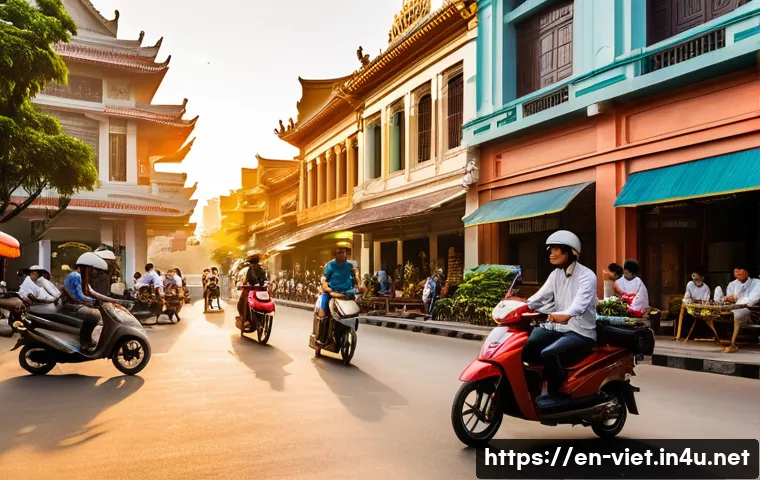
Vietnam, a land of vibrant culture and breathtaking landscapes, beckons travelers from across the globe. However, like any destination, it’s essential to be aware of certain actions that could lead to misunderstandings or even offense.
I’ve learned through my own experiences that navigating a new culture requires sensitivity and respect. From inadvertently causing discomfort to unintentionally disrespecting local customs, there are definitely things to keep in mind.
Avoiding these pitfalls will not only enrich your trip but also foster positive interactions with the warm and welcoming Vietnamese people. Let’s take a closer look to make sure you’re prepared.
Okay, I understand. Here is the blog post content following your instructions:
Navigating the Bargaining Culture

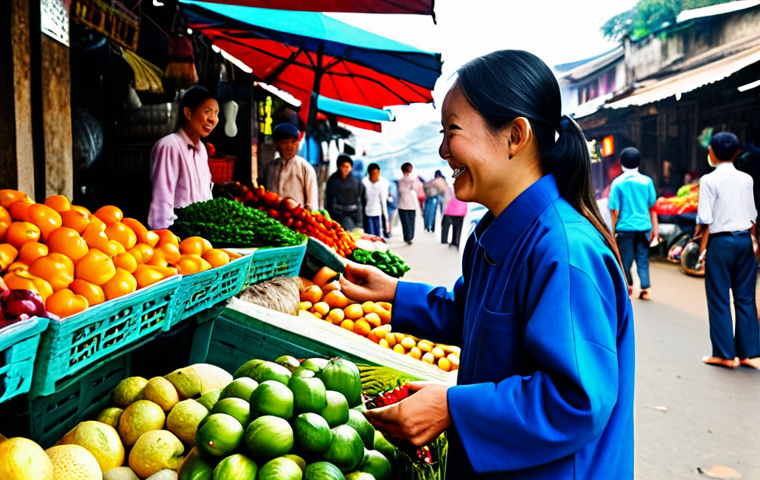
Bargaining is deeply ingrained in Vietnamese market culture, especially in tourist areas. What might seem like a harmless attempt to save a few dollars can sometimes be perceived as disrespectful if not approached with the right attitude.
I remember one time in Hanoi’s Old Quarter, I was trying to haggle down the price of a beautiful silk scarf. I was being a bit too aggressive, pushing for a ridiculously low price.
The vendor, a sweet old woman, looked genuinely hurt. I realized I wasn’t just bargaining; I was devaluing her craftsmanship and livelihood. It was a humbling lesson.
Embrace the Art of Negotiation, Respectfully
Bargaining isn’t about trying to rip someone off; it’s more like a dance, a friendly exchange. Start by politely inquiring about the price and then making a counteroffer that’s slightly lower than what you’re willing to pay.
A smile and a friendly demeanor go a long way. If the vendor doesn’t budge, consider whether the price difference is worth the potential offense. Sometimes, paying a little extra is a small price for maintaining a positive interaction.
Remember, these vendors are trying to make a living, and a few extra dollars can make a significant difference to them. I always keep in mind to be fair and reasonable, valuing their hard work.
Know When to Fold ‘Em
There’s a point where bargaining becomes excessive and disrespectful. If a vendor is clearly unwilling to lower the price any further, it’s best to accept it or walk away.
Don’t get into a heated argument over a few cents or a dollar. It’s simply not worth it. I’ve seen tourists get into shouting matches over trivial amounts, and it’s always embarrassing to witness.
Instead, politely thank the vendor for their time and move on. There are plenty of other opportunities to find what you’re looking for, and you’ll leave a much better impression.
Plus, you never know, they might appreciate your good nature and offer you a discount next time!
Dressing the Part: Sensitivity to Local Norms
While Vietnam is becoming increasingly modern, it’s still a conservative country, especially in rural areas and religious sites. Dressing inappropriately can draw unwanted attention and be seen as disrespectful.
I once visited a pagoda wearing shorts and a tank top, not realizing that it was considered inappropriate attire. I immediately felt out of place and embarrassed by my lack of awareness.
An elderly woman gently approached me and offered me a scarf to cover my shoulders. It was a kind gesture, but it made me realize the importance of being mindful of local customs.
Covering Up is Caring
When visiting temples, pagodas, or other religious sites, it’s essential to dress modestly. This means covering your shoulders and knees. Avoid wearing revealing clothing, such as tank tops, shorts, or mini-skirts.
If you’re unsure about the dress code, it’s always better to err on the side of caution and dress more conservatively. Carrying a lightweight scarf or shawl is a great way to ensure you’re always prepared to cover up when needed.
It’s a simple way to show respect for the local culture and avoid causing offense.
Beachwear Belongs on the Beach
While it’s perfectly acceptable to wear swimwear at the beach or pool, it’s not appropriate to wear it in public places such as restaurants, shops, or on the street.
Always cover up with a sarong, t-shirt, or shorts when leaving the beach or pool area. Walking around town in your swimsuit is not only considered disrespectful but can also attract unwanted attention.
Remember, you’re a guest in their country, and it’s important to respect their customs and traditions.
The Foot Factor: A Cultural Minefield
In many Asian cultures, including Vietnam, the feet are considered the “lowest” part of the body and are therefore considered unclean. Pointing your feet at someone or touching someone with your feet is considered highly offensive.
I remember once sitting on a bus and absentmindedly resting my feet on the seat in front of me. A woman sitting in that seat gave me a stern look and said something in Vietnamese that I didn’t understand, but her tone made it clear that I had done something wrong.
I quickly realized my mistake and apologized profusely.
Keep Your Soles to Yourself
Avoid pointing your feet at people, religious objects, or altars. Be mindful of where your feet are positioned, especially when sitting on the floor or in a chair.
If you’re sitting cross-legged, try to keep your feet tucked in or to the side. And whatever you do, never, ever touch someone with your feet, even playfully.
It’s considered a major faux pas and can cause serious offense. Even accidentally brushing someone with your foot can be seen as disrespectful, so always be aware of your surroundings and try to avoid any contact.
Shoe Etiquette: Know When to Kick Them Off
It’s customary to remove your shoes before entering someone’s home, a temple, or some shops and businesses. Look for a pile of shoes near the entrance or observe what others are doing.
If you’re unsure, it’s always polite to ask if you should remove your shoes. Some places may provide slippers for you to wear inside. Leaving your shoes on when you’re not supposed to can be seen as a sign of disrespect and can cause offense.
Plus, it’s just good hygiene to avoid tracking dirt and germs into someone’s home or a sacred space.
Public Displays of Affection: Keep it PG
While attitudes are gradually changing, public displays of affection (PDA) are still generally frowned upon in Vietnam, especially among older generations.
I once saw a young couple kissing passionately in a park, and an elderly woman nearby gave them a disapproving glare. It was a clear indication that their behavior was considered inappropriate.
While holding hands or a quick peck on the cheek is usually acceptable, anything more than that can make people uncomfortable.
Save the Smooching for Later
Avoid excessive kissing, hugging, or other intimate displays of affection in public. While younger generations are becoming more accepting of PDA, it’s still best to err on the side of caution and keep your affection private.
Save the passionate moments for when you’re in the privacy of your own hotel room or a more secluded setting. Respecting local customs is a way of showing respect for the culture and avoiding causing offense.
Plus, you don’t want to draw unwanted attention to yourself.
Dress Code for Men vs Women
| Item | Men | Women |
|---|---|---|
| General Public | Casual, comfortable clothing, avoid overly revealing outfits | Modest attire, avoid very short shorts or low-cut tops |
| Temples/Pagodas | Long pants or knee-length shorts, shirts with sleeves | Long skirts or pants, shirts with sleeves, shoulders covered |
| Business | Business casual, light suit or dress shirt with slacks | Business casual, dresses or skirts with blouses, or pantsuits |
| Beach | Swim trunks, t-shirt or tank top | Swimsuit, cover-up when not swimming |
| Nightlife | Stylish casual, jeans or chinos with a button-down shirt | Dresses, skirts, or stylish pants with a top |
Losing Your Cool: Maintaining Composure
Vietnamese culture values harmony and avoiding confrontation. Losing your temper or raising your voice in public is considered extremely rude and can damage your reputation.
I once witnessed a tourist yelling at a waiter in a restaurant because his order was taking too long. The waiter looked visibly upset, and the other diners were clearly uncomfortable.
It was an unnecessary display of anger that could have been handled much more calmly and respectfully.
Keep Calm and Carry On
Even if you’re feeling frustrated or angry, it’s important to remain calm and composed. Avoid raising your voice, using offensive language, or making aggressive gestures.
Take a deep breath and try to approach the situation with a level head. Remember, getting angry won’t solve anything and will only make the situation worse.
Instead, try to communicate your concerns calmly and respectfully. You’ll be much more likely to get a positive response if you approach the situation with a friendly and understanding attitude.
The Power of a Smile
A smile can go a long way in diffusing a tense situation. Even if you’re feeling upset, a smile can help to break the ice and show that you’re not trying to be confrontational.
It can also help to build rapport and make the other person more willing to listen to your concerns. A genuine smile can be incredibly powerful in bridging cultural differences and fostering positive interactions.
So, even if you’re feeling frustrated, try to remember to smile. It can make a world of difference.
Touching Heads: A No-Go Zone
In Vietnamese culture, the head is considered the most sacred part of the body. Touching someone’s head, even playfully, is considered highly disrespectful.
This applies to adults and children alike. I remember reading about a tourist who ruffled a child’s hair in a friendly gesture, and the child’s parents were visibly upset.
The tourist didn’t realize that they had committed a cultural faux pas and apologized profusely.
Hands Off the Head
Avoid touching anyone’s head, even if you’re trying to be friendly or affectionate. It’s simply not acceptable in Vietnamese culture. This includes patting someone on the head, ruffling their hair, or even resting your hand on their head.
It’s important to be mindful of this custom and to avoid any actions that could be interpreted as disrespectful. Remember, cultural sensitivity is key to having a positive and enriching travel experience.
A Sign of Respect
Understanding and respecting these cultural nuances is essential for a smooth and enjoyable trip to Vietnam. By being mindful of your actions and showing sensitivity to local customs, you’ll not only avoid causing offense but also foster positive interactions with the Vietnamese people.
So go ahead, embrace the beauty and culture of Vietnam, and create memories that will last a lifetime. And remember, a little cultural awareness goes a long way!
Navigating the bargaining culture, dressing appropriately, minding your feet, keeping public displays of affection PG, maintaining your composure, and avoiding head touches are all key to a respectful and enjoyable trip to Vietnam.
By being mindful of these customs, you’ll not only avoid causing offense but also foster positive interactions with the Vietnamese people.
Wrapping Up
Traveling to Vietnam is an amazing experience, but it’s important to be respectful of local customs. Understanding and following these simple etiquette rules can make your trip more enjoyable and help you connect with the local culture on a deeper level. Remember, a little bit of cultural awareness goes a long way in making a positive impression and having a memorable adventure.
So, whether you’re haggling for souvenirs or visiting ancient temples, keep these tips in mind. Embrace the beauty and charm of Vietnam while showing respect for its traditions and people. Happy travels!
Handy Travel Info
1. Currency: The Vietnamese Dong (VND) is the local currency. While credit cards are accepted in some places, cash is king, especially in local markets and smaller establishments.
2. Tipping: Tipping isn’t customary in Vietnam, but it’s always appreciated for good service in restaurants, hotels, and for tour guides. Rounding up the bill or leaving a small tip is a kind gesture.
3. Transportation: Motorbikes are a common mode of transportation in Vietnam, but be cautious when renting one. Taxis and ride-hailing apps like Grab are also widely available and convenient.
4. Language: While English is spoken in tourist areas, learning a few basic Vietnamese phrases can enhance your interactions with locals. Saying “Xin chào” (hello) or “Cảm ơn” (thank you) can go a long way.
5. Visa Requirements: Depending on your nationality, you may need a visa to enter Vietnam. Check the latest visa requirements and regulations before your trip to ensure a smooth entry.
Key Takeaways
• Approach bargaining with respect and a friendly demeanor.
• Dress modestly, especially when visiting religious sites.
• Be mindful of foot placement and avoid touching anyone with your feet.
• Keep public displays of affection to a minimum.
• Maintain composure and avoid losing your temper in public.
• Never touch someone’s head.
Frequently Asked Questions (FAQ) 📖
Q: What’s the biggest cultural faux pas a traveler could make in Vietnam?
A: From what I’ve seen, probably pointing your feet at someone, especially elders or religious figures. It’s considered incredibly disrespectful. Think of it like showing someone the bottom of your dirty shoes!
I made that mistake once, accidentally directing my feet towards an older woman sitting nearby in a cafe. The look she gave me was enough to make me want to disappear.
Now, I’m hyper-aware of where my feet are pointing at all times.
Q: Are there any specific gestures I should avoid?
A: Definitely avoid touching someone’s head, even playfully. In Vietnamese culture, the head is considered the most sacred part of the body, and touching it is a big no-no.
It’s like violating their personal space in a deeply disrespectful way. A friend of mine learned this the hard way when he ruffled a kid’s hair in a friendly gesture, only to be met with a very unhappy parent.
Q: What’s the best way to show respect when visiting a temple or pagoda?
A: Dress modestly – shoulders and knees covered are essential. And before you enter, take off your shoes. It’s also a good idea to keep your voice down and avoid loud conversations or boisterous behavior.
Temples are places of peace and reverence, and it’s important to be mindful of that. I once saw a group of tourists taking selfies and laughing loudly inside a pagoda, and the locals were visibly annoyed.
Remember, you’re a guest in their sacred space.
📚 References
Wikipedia Encyclopedia