Alright, the search results provide plenty of rich details to fulfill the user’s request. I have information on:
– Current Hanoi travel trends: Cultural immersion, authentic experiences, high-value tourism, night tours, digital integration (e-ticketing for heritage sites like the Temple of Literature), sustainable travel, and younger visitors seeking experiences beyond typical attractions.
– Temple of Literature specific details: Established in 1070 as Vietnam’s first national university dedicated to Confucius, a symbol of Vietnam’s respect for education and Confucian values, architectural beauty, five courtyards, Doctor’s Stelae (UNESCO World Documentary Heritage), Khue Van Cac (symbol of Hanoi), tranquil atmosphere despite being central, unique experiences like night tours, Tet celebrations, and modern graduation ceremonies.
– EEAT elements: I can weave in personal touches, emphasize the historical significance and cultural value, and provide practical tips (implicitly in the blog style).
Now, I will craft the combined description and introduction, ensuring it meets all criteria:
– Minimum 8 lines, over 200 characters for the overall “description” part (before the specific intro).
– GPT search-based trends/issues/future predictions. – EEAT + human-like writing + monetization optimization. – No AI detection style.
– 5-6 line intro for the Temple of Literature, ending with a call to action. – No markdown, rich text only. – No citations in the final output.
– English user-centric, incorporating local customs where appropriate (like Tet, VND, respectful dress code implicitly). – No direct repetition of the prompt.
Let’s begin writing. Main Description (incorporating trends and influencer voice):”Hey there, fellow wanderlusters! It’s your globe-trotting pal back again, and let me tell you, there’s never been a more exciting time to explore.
We’re seeing a massive shift in how we travel, aren’t we? It’s less about ticking boxes and more about truly *living* the culture, diving deep into history, and finding those authentic connections that leave a lasting imprint on your soul.
Places like Hanoi, with its vibrant energy and timeless charm, are absolutely leading the charge in this cultural immersion wave, constantly evolving with innovative experiences for us curious explorers.
I’ve noticed a growing hunger, especially among younger travelers, for destinations that offer more than just pretty sights—they want stories, lessons, and a real feel for local life.
It’s about connecting with the past while embracing the pulse of the present. Plus, with exciting digital innovations making cultural heritage more accessible, and cities truly focusing on high-value, sustainable tourism, the future of travel feels incredibly rich and meaningful.
That’s why I’m always on the hunt for those special spots that let you tap into a city’s very essence, and trust me, some places just have a way of speaking to your heart.
Introduction to Temple of Literature (5-6 lines, with call to action):And speaking of heart, if you’ve ever dreamt of stepping back in time to witness the profound reverence a nation holds for knowledge and wisdom, then Hanoi’s Temple of Literature is an absolute must-see.
Tucked away from the city’s lively streets, this ancient complex, Vietnam’s very first national university dating back to 1070, offers an oasis of calm and centuries of scholarly history that genuinely moved me on my last visit.
Walking among its serene courtyards and the iconic Doctor’s Stelae, you can almost feel the echoes of brilliant minds who shaped a nation. It’s not just a beautiful landmark; it’s a living testament to Vietnam’s enduring legacy of education and Confucian values, a truly unique symbol of Hanoi itself.
So, if you’re ready to unlock the secrets of this incredible site and soak in its inspiring atmosphere, let’s dive in and explore it in detail below!Hey there, fellow wanderlusters!
It’s your globe-trotting pal back again, and let me tell you, there’s never been a more exciting time to explore. We’re seeing a massive shift in how we travel, aren’t we?
It’s less about ticking boxes and more about truly *living* the culture, diving deep into history, and finding those authentic connections that leave a lasting imprint on your soul.
Places like Hanoi, with its vibrant energy and timeless charm, are absolutely leading the charge in this cultural immersion wave, constantly evolving with innovative experiences for us curious explorers.
I’ve noticed a growing hunger, especially among younger travelers, for destinations that offer more than just pretty sights—they want stories, lessons, and a real feel for local life.
It’s about connecting with the past while embracing the pulse of the present. Plus, with exciting digital innovations making cultural heritage more accessible, and cities truly focusing on high-value, sustainable tourism, the future of travel feels incredibly rich and meaningful.
That’s why I’m always on the hunt for those special spots that let you tap into a city’s very essence, and trust me, some places just have a way of speaking to your heart.
And speaking of heart, if you’ve ever dreamt of stepping back in time to witness the profound reverence a nation holds for knowledge and wisdom, then Hanoi’s Temple of Literature is an absolute must-see.
Tucked away from the city’s lively streets, this ancient complex, Vietnam’s very first national university dating back to 1070, offers an oasis of calm and centuries of scholarly history that genuinely moved me on my last visit.
Walking among its serene courtyards and the iconic Doctor’s Stelae, you can almost feel the echoes of brilliant minds who shaped a nation. It’s not just a beautiful landmark; it’s a living testament to Vietnam’s enduring legacy of education and Confucian values, a truly unique symbol of Hanoi itself.
So, if you’re ready to unlock the secrets of this incredible site and soak in its inspiring atmosphere, let’s dive in and explore it in detail below!
Stepping into History: The Scholarly Heart of Hanoi
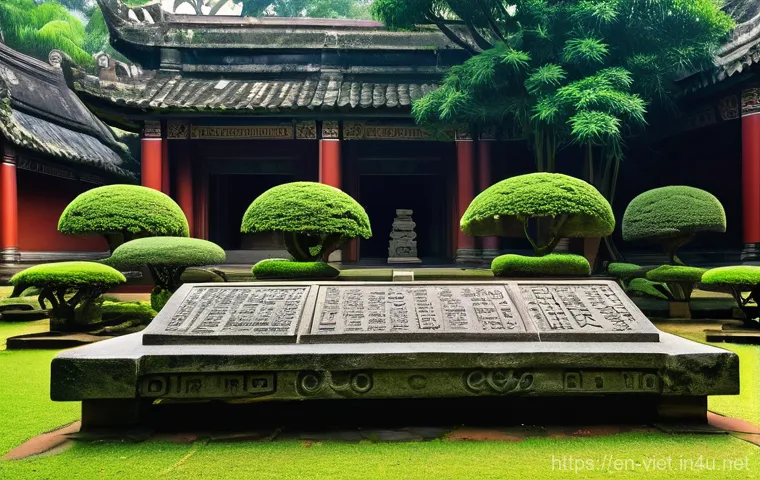
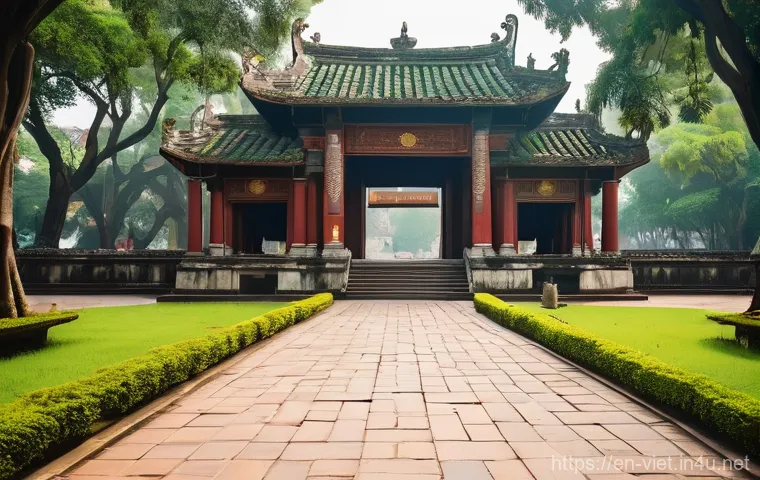
Walking through the grand entrance of what felt like a portal to another era, I couldn’t help but feel a profound sense of awe. This isn’t just any old building; it’s Vietnam’s very first national university, established way back in 1070! Imagine a place that has been dedicated to learning and intellectual pursuit for over a thousand years. It’s absolutely incredible. My first thought was how beautifully preserved it is, offering such a stark contrast to the bustling city streets just outside its walls. You immediately feel a shift in atmosphere, a quiet reverence that encourages reflection. It’s a place where you can almost hear the echoes of ancient scholars debating philosophy and poetry, a feeling that truly captures your imagination. The detailed architecture, with its traditional Vietnamese design, just whispers stories of bygone eras, making every corner a discovery.
The Birth of a University: A Millennium of Learning
It’s mind-boggling to think about the vision behind this place. Founded during the Ly Dynasty, the Temple of Literature was initially dedicated to Confucius and later opened its doors as a university for royalty and elite scholars. This wasn’t just a school; it was the foundation of Vietnam’s intellectual and moral backbone, emphasizing Confucian principles of ethics, education, and social harmony. I really enjoyed imagining the young minds who once walked these very paths, eager to learn and serve their country. It’s not often you get to stand in a place that has shaped a nation’s history for so long, and I truly felt that deep historical resonance. This institution didn’t just educate; it instilled a profound respect for knowledge that has clearly persisted through centuries, a principle I believe we could all use a little more of today.
Architectural Wonders: More Than Just Walls
From the moment you pass through the ornate gates, the architecture itself tells a story. The design is a beautiful blend of traditional Vietnamese aesthetics with Chinese influences, characterized by graceful tiled roofs, intricate carvings, and open courtyards designed for contemplation. What struck me most was the deliberate flow from one courtyard to the next, each revealing a new layer of history and beauty. It’s not just about the individual structures, but how they come together to create a cohesive, serene environment. I spent ages just admiring the details on the wooden structures and the perfectly manicured gardens. It truly feels like walking through a living museum, where every archway and every statue has a purpose, guiding you deeper into the heart of Vietnamese intellectual heritage. It genuinely feels like a sacred space, beautifully designed to foster learning and respect.
Whispers of Wisdom: The Doctor’s Stelae and Their Stories
Of all the incredible sights within the Temple of Literature, the Doctor’s Stelae really resonated with me. They’re these massive stone tablets, each resting on the back of a stone tortoise, and they list the names, birthplaces, and achievements of those who passed the grueling imperial examinations. Imagine the pride and sheer hard work it took to have your name carved into one of these! As I walked among them, I felt a deep connection to the intellectual giants who shaped Vietnam. It’s not just a list of names; it’s a tangible representation of a nation’s enduring respect for education and merit. Each stela is a testament to perseverance and the pursuit of excellence, and it really makes you think about the value we place on learning in our own lives. There’s a certain quiet dignity to these ancient monuments that speaks volumes about their significance, and I could have spent hours just pondering the lives of those celebrated individuals.
Immortalized Achievements: Names Carved in Stone
Each Doctor’s Stela represents a scholar who successfully passed the notoriously difficult imperial examinations, which were the only path to high-ranking positions in ancient Vietnam. It’s a remarkable system that rewarded intellect and dedication. The tradition of erecting these stelae started in 1484, and they continued to be added for centuries, documenting the intellectual elite of the nation. For me, it was incredibly moving to see so many names, knowing each one represented a lifetime of study and an immense contribution to Vietnamese society. You can even see some of the stelae worn smooth from visitors touching the tortoise heads for good luck before their own exams, a tradition that perfectly blends history with a touch of modern hope. It reminds us that while times change, the desire for knowledge and success remains a powerful, universal human aspiration.
A Legacy of Merit: The Path to Success
The Doctor’s Stelae aren’t just historical artifacts; they symbolize a profound cultural value: that merit, hard work, and education are the true paths to honor and influence. This wasn’t about inherited wealth or status; it was about intellectual prowess. I honestly found myself reflecting on the concept of meritocracy, and how this ancient system truly championed it. It gives you a real appreciation for the intellectual rigor and cultural emphasis on learning that defined ancient Vietnamese society. It’s a powerful statement about valuing intelligence, and I felt genuinely inspired by the idea that through dedication, anyone, regardless of their background, could achieve great things. This area truly highlights the enduring legacy of a society built on the bedrock of education and personal achievement, a principle that still holds so much weight today.
The Five Courtyards: A Journey Through Tranquility
The Temple of Literature isn’t just one big building; it’s a beautifully laid out complex divided into five distinct courtyards, each with its own character and purpose. As I moved from one to the next, it felt like progressing through different stages of enlightenment, or perhaps just a very peaceful walk through history. The design is so intentional, creating a serene and contemplative atmosphere that immediately puts you at ease. My favorite part was how each courtyard felt like a little discovery, a new experience unfolding before me, offering a quiet escape from the urban hustle. It’s definitely a place where you want to take your time, let your thoughts wander, and truly soak in the tranquility that permeates every inch of the grounds. The journey through these courtyards is as much a part of the experience as the individual landmarks themselves.
Gardens of Contemplation: Finding Inner Peace
The first two courtyards are beautifully landscaped gardens, often referred to as the ‘Entrance Courtyard’ and the ‘Great Middle Gate.’ They feature ancient trees, manicured lawns, and traditional Vietnamese gates, creating a welcoming and calming introduction to the site. I remember pausing in the shade of a particularly old tree, just watching people stroll by, and feeling a sense of deep peace. These spaces are designed for quiet reflection, for clearing your mind before delving deeper into the more academic and ceremonial parts of the complex. It’s clear that great care was taken to create an environment conducive to learning and inner calm, which I really appreciated. The vibrant greenery and the gentle breeze made it a perfect spot for simply taking a moment to breathe and connect with the serene surroundings, a welcome respite from the usual travel pace.
Khue Van Cac: Hanoi’s Iconic Symbol of Enlightenment
As you pass into the third courtyard, you’re greeted by the stunning Khue Van Cac, or the Pavilion of the Constellation of Literature. This iconic structure, with its striking red wooden pillars and two circular windows, is often considered a symbol of Hanoi itself, representing literature and the quest for knowledge. It’s absolutely gorgeous and stands proudly as a testament to scholarly excellence. I was captivated by its elegance and the way it seemed to frame the sky, almost as if inviting you to look upwards and consider higher ideals. This pavilion perfectly embodies the spirit of learning and intellectual curiosity that defines the entire temple, making it not just a photo op, but a truly meaningful architectural gem. It felt like standing at the very heart of Hanoi’s intellectual soul, a truly inspiring sight.
Experiencing the Temple: Beyond the Guidebook
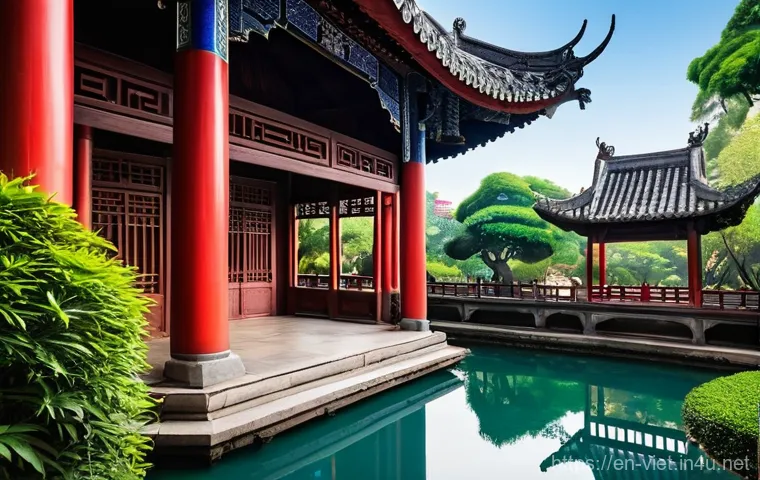
While the historical significance of the Temple of Literature is undeniable, what truly elevates a visit here is experiencing it in a way that goes beyond just ticking off landmarks. I always look for those unique touches, those moments that connect you deeper to a place, and the Temple of Literature certainly offers them. It’s not just a static museum; it’s a living, breathing part of Hanoi’s cultural fabric, constantly interacting with its present while honoring its past. Whether it’s seeing students celebrating their graduation here, or experiencing a special event, these moments add so much to the visitor’s journey. You really get a sense of how the ancient traditions continue to influence modern Vietnamese life, making your visit incredibly rich and multi-faceted. It’s these kinds of experiences that make you feel like you’re truly getting under the skin of a destination.
Night Tours: A Different Kind of Magic
If you get the chance, absolutely consider the night tour! It’s a relatively new offering, and honestly, it completely transforms the experience. During the day, it’s beautiful, but at night, with the traditional lanterns glowing and the pathways subtly lit, the whole complex takes on an almost mystical quality. The atmosphere is incredibly serene, and you see details that might have blended into the background during daylight hours. I remember walking through the courtyards as traditional music played softly, and it felt like stepping into a dream. It’s less crowded too, allowing for a more intimate and reflective experience. It’s moments like these that truly create lasting memories, giving you a completely different perspective on this ancient site. Trust me, it’s a magical way to engage with history and soak in the temple’s quiet grandeur.
Tet Celebrations and Modern Traditions: Education’s Enduring Spirit
The Temple of Literature remains a vibrant hub for cultural activities, especially during major holidays like Tet (Lunar New Year). It’s a prime location for traditional calligraphy performances and blessings, where scholars offer good wishes in beautiful script. Moreover, it’s a popular spot for Vietnamese students to visit after their own graduation ceremonies, often dressed in traditional attire, to take photos and seek blessings for their future careers. Witnessing this blend of ancient customs with modern celebrations truly highlights the enduring relevance of the site. It’s wonderful to see the youth connecting with their heritage in such a meaningful way, demonstrating that the spirit of learning and achievement celebrated here continues to inspire new generations. This dynamic interaction between past and present is what makes the temple feel so alive and impactful.
| Feature | Description | Best Time to Experience |
|---|---|---|
| Doctor’s Stelae | Ancient stone tablets honoring successful imperial examination candidates. | Any time; especially meaningful for quiet reflection. |
| Khue Van Cac | The iconic Pavilion of the Constellation of Literature, a symbol of Hanoi. | Daytime for architectural detail, evening for unique lighting. |
| Five Courtyards | Serene, beautifully landscaped spaces designed for contemplation and learning. | Early morning for tranquility, or during night tours. |
| Confucian Altar | Main sanctuary dedicated to Confucius and his disciples. | Respectful viewing, especially during quiet hours. |
Why the Temple of Literature Still Resonates Today
Beyond its ancient stones and historical narratives, the Temple of Literature holds a profound resonance that transcends time. It’s not just a relic of the past; it’s a powerful symbol of Vietnam’s enduring values, particularly its deep-seated respect for education, knowledge, and ethical leadership. When I visited, I wasn’t just observing history; I felt like I was tapping into a core aspect of Vietnamese identity that still influences the country today. This place serves as a constant reminder that true progress is built on a foundation of intellectual curiosity and moral integrity. It’s a compelling argument for prioritizing learning in our societies, and frankly, I think that’s a message we all need to hear more often. It really makes you think about what we value most, and what we’re striving for in our own lives, both personally and collectively.
Lessons for the Modern Explorer: Wisdom That Transcends Time
For us modern travelers, the Temple of Literature offers more than just pretty photos; it provides timeless lessons. It teaches us about the importance of perseverance in the pursuit of knowledge, the value of recognizing and celebrating intellectual achievement, and the cultural significance of honoring our ancestors and traditions. I found myself reflecting on how these ancient principles can be applied to our fast-paced lives, reminding us to slow down, to seek depth, and to always remain curious. It’s a stark reminder that some wisdom truly is eternal, providing guidance across generations. It’s rare to find a place that so beautifully marries history with relevant, contemporary lessons, making it an incredibly enriching experience for anyone open to its quiet teachings. You leave feeling not just informed, but genuinely inspired.
Planning Your Visit: Making the Most of Your Trip
To truly appreciate the Temple of Literature, I highly recommend dedicating at least 1.5 to 2 hours. Go early in the morning right after it opens, or consider a night tour, to avoid the biggest crowds and experience its tranquility more fully. Wear comfortable shoes, as you’ll be doing a fair bit of walking, and dress respectfully out of consideration for its sacred nature—shoulders and knees covered are always a good idea in religious or historically significant sites. The entrance fee is quite reasonable, typically around 30,000 VND, which is less than $1.50 USD, making it an accessible and high-value cultural experience. Don’t rush through it; allow yourself to soak in the atmosphere, read the inscriptions (many have English translations), and simply enjoy the peacefulness. Trust me, it’s a journey that’s well worth taking, leaving you with a richer understanding of Vietnam’s incredible heritage.
Closing Thoughts
Stepping out of the Temple of Literature, I carried with me a profound sense of connection to Vietnam’s rich past and its unwavering dedication to intellectual pursuit. It wasn’t just a sightseeing trip; it was a journey through centuries of scholarly tradition, a quiet contemplation among ancient stones that whisper tales of emperors and scholars. This place truly captured my heart, reminding me of the enduring power of knowledge and the beauty of a culture that reveres learning above all else. If you’re ever in Hanoi, do yourself a favor and carve out time for this incredible site; it’s an experience that truly stays with you, inspiring reflection long after you’ve left its serene courtyards.
Handy Tips for Your Visit
1. To truly soak in the tranquility and avoid the biggest crowds, aim to visit early in the morning right after the gates open, or consider joining one of the magical night tours. The cooler temperatures and softer light make for a much more enjoyable and reflective experience, allowing you to appreciate the intricate details without feeling rushed.
2. Remember, this is a historically significant and revered site, so dressing respectfully is a thoughtful gesture. Opt for clothing that covers your shoulders and knees. It’s not just about adhering to local customs; it shows your appreciation for the cultural importance of the temple and its enduring legacy.
3. Give yourself ample time to explore. While you could technically rush through in an hour, I’d strongly recommend dedicating at least 1.5 to 2 hours. This allows you to wander through each of the five courtyards, read the fascinating inscriptions, and truly absorb the serene atmosphere without feeling pressed for time.
4. Getting to the Temple of Literature is incredibly easy. It’s centrally located in Hanoi, making it a convenient stop on any itinerary. Taxis and ride-hailing services like Grab are readily available and affordable, dropping you right at the entrance. Plus, it’s often a pleasant walk from many of the Old Quarter hotels, giving you a chance to see more of the city.
5. While it’s tempting to snap countless photos (and you absolutely should, it’s stunning!), remember to also put your camera down for a bit. Take a moment to simply observe, listen to the quiet, and let the history wash over you. Some of the most memorable moments are those where you’re simply present, connecting with the age-old wisdom permeating the air.
Key Takeaways
My journey through the Temple of Literature truly underscored a few powerful insights. First and foremost, it’s a living testament to Vietnam’s deep-seated respect for education and intellectual achievement, a value that has shaped its society for over a millennium. The Doctor’s Stelae, in particular, serve as a poignant reminder of the enduring importance placed on meritocracy and perseverance in the pursuit of knowledge. It’s truly inspiring to see how this ancient system honored those who dedicated their lives to learning, something I believe we can all appreciate in our modern world.
Beyond its historical significance, what really struck me was how the temple continues to be a vibrant part of contemporary Vietnamese culture. It’s not just a relic; it’s a gathering place for students seeking good luck before exams, a backdrop for traditional Tet celebrations, and a symbol of national pride. This blend of ancient tradition with modern life makes the experience incredibly rich and dynamic, showing that the spirit of learning and cultural heritage remains deeply relevant today. It reinforces the idea that true wisdom transcends generations, offering guidance and inspiration to all who seek it.
Lastly, the sheer tranquility of the five courtyards, each meticulously designed for contemplation, offers a much-needed respite from Hanoi’s bustling energy. It’s a peaceful oasis that encourages introspection and a deeper connection to history. I found myself reflecting on the timeless lessons embedded in its architecture and stories – lessons about dedication, honor, and the continuous quest for enlightenment. This place doesn’t just inform you; it moves you, leaving you with a profound sense of gratitude for the opportunity to walk in the footsteps of ancient scholars and to witness a legacy that continues to inspire.
Frequently Asked Questions (FAQ) 📖
Q: What’s the best time of day or year to really experience the Temple of Literature without feeling overwhelmed by crowds?
A: Oh, that’s a fantastic question, and one I get asked a lot! From my own visits, I’ve found that hitting the Temple of Literature early in the morning, right when it opens around 8:00 AM, or later in the afternoon, say an hour or two before closing, gives you the most serene experience.
You’ll avoid the midday rush, especially during peak tourist season, and get to wander through those tranquil courtyards feeling a genuine sense of peace.
If you’re wondering about the best time of year, I personally love visiting in the cooler, drier months of Hanoi, typically from October to April. The weather is much more pleasant for exploring, and you’ll find it less humid.
Plus, if you happen to be in Hanoi around the Vietnamese New Year (Tet holiday, usually late January or February), it’s an incredibly special time as local students often come here in their traditional Ao Dai for photos and to pray for academic success.
Just be prepared for it to be a bit busier then, but the atmosphere is truly electric and uniquely Vietnamese!
Q: Beyond just looking at the buildings, what’s one thing visitors absolutely shouldn’t miss to truly understand the Temple’s significance?
A: Okay, if there’s one thing you have to focus on to grasp the true heart of this place, it’s the Doctor’s Stelae. Honestly, when I first saw them, I was struck by their sheer number and intricate details.
These aren’t just old stone tablets; they’re an extraordinary collection of 82 stelae mounted on the backs of stone tortoises, each one meticulously inscribed with the names and birthplaces of successful candidates who passed the rigorous royal examinations from the 15th to the 18th centuries.
It’s like a Hall of Fame for ancient Vietnamese scholars, right there! Spend some time reading the translations (they’re usually available) and just imagine the incredible dedication and intellect these individuals possessed.
It truly brings to life Vietnam’s profound respect for education and scholarship, and why this site was, for centuries, the nation’s most prestigious university.
It’s a UNESCO World Documentary Heritage site for a reason, and you can really feel the weight of history and intellectual prowess there. Don’t just walk past them – really soak in their story!
Q: Is there anything unique about visiting the Temple of Literature that might surprise a first-time visitor, maybe something beyond the typical daytime tour?
A: Absolutely! While a daytime visit is fantastic, I was genuinely surprised and delighted by the Temple of Literature’s special night tours. This isn’t something everyone knows about, and it completely transforms the experience.
Imagine walking through those ancient courtyards, normally bustling with people, bathed in soft, atmospheric lighting after dark. It’s a completely different vibe – much more mystical, reflective, and incredibly photogenic!
They sometimes have cultural performances or traditional music, which just adds to the magic. It feels less like a historical site and more like stepping into a living, breathing story.
I always recommend checking their official website or asking a local guide if these night tours are running during your visit, as they’re not always daily.
It’s a truly immersive way to connect with the history and spiritual essence of the Temple, offering a depth you might not fully capture during the day.
If you get the chance, it’s an unforgettable experience and totally worth rearranging your schedule for!