If you’ve ever dreamt of stepping into a postcard-perfect scene, where time seems to slow down and tradition takes center stage, then you absolutely need to discover the captivating salt farms of Nam Dinh, Vietnam.
I recently had the incredible chance to dive deep into this unique world, and let me tell you, it’s an experience that truly leaves a mark on your soul.
These aren’t just any salt fields; they’re living canvases, shaped by generations of hardworking farmers who coax “white gold” from the sea using methods passed down through time.
From the rhythmic movements of the workers under the scorching sun to the shimmering expanse of salt ponds, it’s a sight you won’t easily forget. But beyond the picturesque scenery, there’s a compelling story unfolding here – one of resilience, community, and an industry adapting to the modern world.
With global trends highlighting a growing appreciation for artisanal, mineral-rich sea salts and the increasing desire for authentic cultural experiences, these traditional farms are on the cusp of a fascinating transformation.
They face challenges like climate change and the economic pressures that push younger generations toward other livelihoods, yet innovation and a renewed focus on sustainable tourism and value-added products are paving a hopeful path forward.
Trust me, understanding their journey offers a truly enriching perspective. Join me as we uncover the intricate beauty and the enduring spirit behind Nam Dinh’s incredible salt farms.
Let’s delve into the heart of this ancient craft and discover exactly what makes it so special.
The Ancient Rhythms of “White Gold” Harvesting
Sun-Kissed Ponds and Patient Hands
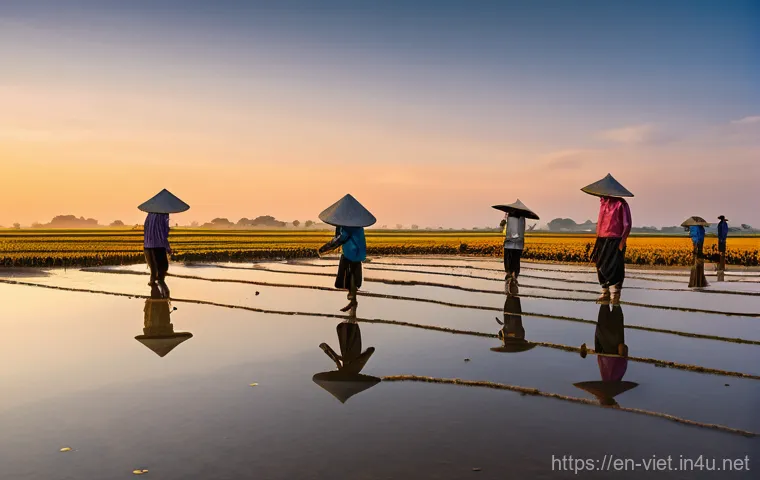
There’s something incredibly mesmerizing about watching the sun climb higher in the sky over Nam Dinh’s salt fields, casting a golden glow on the shimmering ponds.
I remember standing there, just as the day was truly beginning, feeling the soft morning breeze and seeing the workers already in motion. It’s not just a job for them; it’s a dance, a timeless ritual passed down through generations.
They move with such purpose and grace, almost in sync with the rising sun, tending to the salt-rich waters that will soon yield their precious “white gold.” You can feel the history in every scoop, every rake, every careful movement.
It’s a stark reminder that some of the most profound things are created with patience and respect for the natural world. The quiet dedication of these farmers, working under the vast Vietnamese sky, really struck a chord with me.
It’s a labor of love, truly.
From Sea to Shimmering Crystal: The Traditional Process
When I first learned about how they make salt here, my mind was blown by the ingenuity and simplicity of it all. It’s not some high-tech factory process; it’s a deeply rooted traditional method that relies entirely on the sun and the sea.
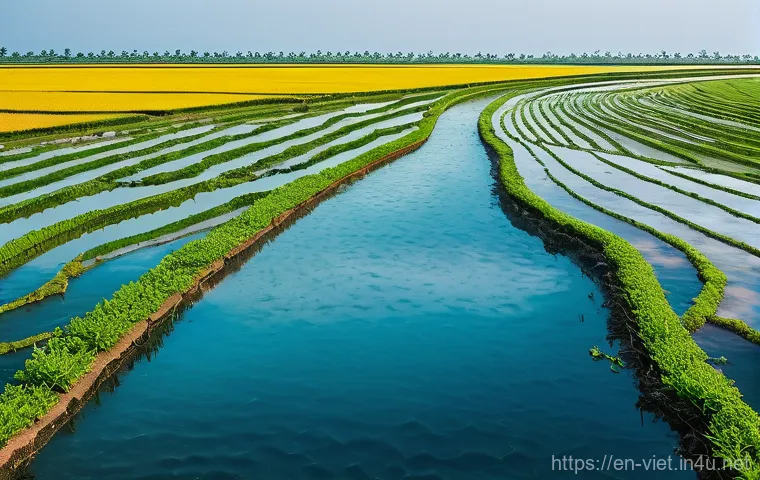
They start by flooding vast, shallow clay-lined fields with seawater. Then, the sun and wind do their magnificent work, slowly evaporating the water, leaving behind concentrated brine.
This briny water is then carefully transferred to smaller, even shallower evaporation ponds. I watched as the farmers, with their specialized wooden rakes, gently agitated the water, coaxing the tiny salt crystals to form and clump together.
It’s a delicate balance, knowing just when to rake, when to let it sit, and when to harvest. The whole process takes days, sometimes even weeks, depending on the weather, and each step is handled with an almost sacred precision.
Seeing the glistening white mounds of freshly harvested salt under the relentless sun really made me appreciate the sheer effort and skill involved in bringing this everyday condiment to our tables.
More Than Just Salt: A Glimpse into the Farmers’ Lives
Generations of Grit and Resilience
Walking alongside the salt farmers, I quickly realized that their connection to the land and sea runs deeper than just livelihood. It’s an inherited legacy, a way of life that has sustained families in Nam Dinh for centuries.
I chatted with an elderly woman, her face etched with wisdom and kindness, who told me stories of her grandmother working these very fields. She spoke of lean years and bountiful harvests, of the community coming together during tough times, and the joy of seeing their children learn the ropes.
There’s an undeniable spirit of resilience here, a quiet strength that emanates from every family involved in this demanding craft. They face the whims of nature – scorching sun, unpredictable rains, and even typhoons – with a steadfast determination that is truly inspiring.
It’s not just about earning a living; it’s about honoring their ancestors and preserving a heritage that defines who they are. Their grit is palpable, and it’s woven into the very fabric of their daily existence.
The Daily Grind: A Day in the Life of a Salt Farmer
Imagine waking before dawn, often as early as 4 or 5 AM, to begin your day under the watchful eye of the moon before the sun even thinks about peaking.
That’s a typical start for a Nam Dinh salt farmer, especially during the peak season. I had the chance to spend a few hours with a family, observing their routine, and it was eye-opening.
Their mornings are a flurry of activity: checking the ponds, adjusting the water levels, and preparing for the first rake of the day. As the sun gets stronger, the work intensifies.
The physical labor is immense, bending under the sun, pushing heavy loads of salt, all while ensuring the quality of their harvest. They often work through the hottest parts of the day, taking only short breaks for a simple meal and some hydration.
It’s a life that demands incredible stamina and dedication. By late afternoon, as the sun begins its descent, they are often still working, carefully piling the salt or preparing the ponds for the next cycle.
It’s a relentless cycle, yet there’s a quiet pride in their eyes, a deep satisfaction in the knowledge that they are providing for their families and contributing to a cherished tradition.
When Tradition Meets Tomorrow: Innovations in Salt Production
Adapting to Change: Modern Tools and Sustainable Methods
It’s easy to romanticize traditional practices, but the reality is that the world changes, and industries must adapt to survive. I observed firsthand how Nam Dinh’s salt farmers are embracing innovation while still respecting their ancestral methods.
They’re not abandoning the old ways, but rather enhancing them. For example, some farms are experimenting with more efficient water pumping systems that reduce manual labor and allow for better water management, especially crucial with changing weather patterns.
I even saw some small-scale solar distillation units being tested, offering a glimpse into a more sustainable future that could potentially extend their harvesting season or produce higher-purity salts.
It’s a delicate balance, of course, integrating new technologies without losing the artisanal touch that makes their salt so special. But the farmers I spoke with were remarkably open to these changes, understanding that adapting isn’t just about making their lives easier; it’s about ensuring the longevity of their craft for generations to come.
They’re constantly learning, always looking for ways to improve, and that proactive spirit is truly inspiring.
Expanding Horizons: Beyond the Basic Grain
The entrepreneurial spirit in Nam Dinh’s salt farming community is really quite impressive. It’s no longer just about harvesting raw salt; there’s a growing movement towards creating value-added products.
I saw some incredible efforts to develop gourmet salts infused with local herbs and spices, or even “flower of salt” (fleur de sel) which is highly prized by chefs for its delicate texture and intense flavor.
Some families are exploring partnerships with local businesses to process and package their salt in more attractive ways for the growing tourist market and export.
Imagine a beautifully packaged jar of Nam Dinh sea salt, perhaps with a touch of chili or lemongrass – it’s a whole new culinary experience! This diversification is a clever way for them to command higher prices, increase their income, and make the industry more resilient against market fluctuations.
It also creates new opportunities for younger generations, offering them roles in processing, marketing, and sales, which might entice them to stay in the family business rather than seeking livelihoods elsewhere.
It’s exciting to witness this evolution.
Tasting the Ocean: The Unique Qualities of Nam Dinh Sea Salt
The Mineral Magic Behind the Flavor
When you taste Nam Dinh sea salt, it’s not just a salty kick; it’s an entire experience that brings the essence of the Vietnamese coast directly to your palate.
What truly sets this salt apart is its rich mineral content, which comes from the pristine seawater of the Gulf of Tonkin and the traditional sun-evaporation methods used.
Unlike heavily processed table salts, which are often stripped of their natural minerals, Nam Dinh salt retains a complex profile of magnesium, potassium, and calcium.
I personally found it had a subtly sweet undertone and a cleaner, less harsh salinity. It simply elevates any dish it touches. When I brought some home and used it in my cooking, I noticed a distinct difference, especially in dishes where salt plays a starring role, like roasted vegetables or a perfectly seared piece of fish.
It adds depth and character that you just don’t get from generic salts. It really makes you appreciate the nuances of a high-quality, artisanal product that has been crafted with care and respect for its natural origins.
Culinary Adventures: How to Use Artisanal Vietnamese Salt
So, you’ve got your hands on some beautiful Nam Dinh sea salt – now what? My advice is to treat it like a premium ingredient, not just a basic seasoning.
For starters, try it as a finishing salt. Sprinkle a pinch over a fresh salad, grilled meats, or even a simple slice of avocado toast. The crystals will add a delightful crunch and a burst of flavor.
It’s also fantastic for rimming cocktail glasses, especially for a unique take on a margarita. If you’re into baking, a sprinkle of this salt on top of chocolate chip cookies or brownies can truly enhance the sweetness and add a sophisticated touch.
I even used it to create a simple salt crust for a whole baked fish, and the results were phenomenal – the fish was incredibly moist and imbued with a delicate sea flavor.
Don’t be afraid to experiment! This isn’t the kind of salt you just dump into a recipe; it’s the kind you thoughtfully add to enhance and highlight the natural flavors of your food.
Trust me, your taste buds will thank you.
| Feature | Traditional Nam Dinh Salt Production | Modern Industrial Salt Production |
|---|---|---|
| Method | Sun and wind evaporation in shallow clay ponds | Vacuum evaporation, mining, or large-scale brine concentration |
| Harvesting | Manual labor with specialized rakes and baskets | Mechanical harvesters and heavy machinery |
| Mineral Content | High, retains natural trace minerals (magnesium, potassium, calcium) | Often highly refined, trace minerals removed for purity |
| Environmental Impact | Low, relies on natural processes, supports local ecosystems | Can be higher due to energy consumption and landscape alteration |
| Community Impact | Sustains traditional livelihoods, strengthens local culture | Focus on efficiency and large-scale employment, less artisanal focus |
| Product Qualities | Artisanal, unique flavor profile, often considered gourmet | Uniform texture, consistent salinity, mass-produced |
Experiencing Nam Dinh: A Traveler’s Guide to the Salt Fields
Planning Your Visit: What to Expect
If you’re anything like me, you crave authentic experiences when you travel, and a visit to the Nam Dinh salt fields delivers exactly that. It’s not a polished tourist attraction with gift shops and guided tours on demand; it’s a living, working landscape.
When I planned my trip, I made sure to go during the dry season (roughly November to April) for the best chance of seeing active harvesting. Arriving early in the morning is absolutely key – that’s when the farmers are most active, and the light for photography is just breathtaking.
You’ll want to wear comfortable shoes that can handle uneven terrain and, of course, sun protection is a must. Remember, you’re visiting someone’s workplace and home, so approach with respect and an open heart.
A local guide can be invaluable for bridging language barriers and offering deeper insights into the culture and process. They can also help you navigate the less-traveled paths and perhaps even arrange a unique opportunity to interact directly with the farmers.
It’s a place where you observe and absorb, rather than simply consume.
Beyond the Fields: Exploring Local Culture
While the salt fields are undoubtedly the main draw, don’t miss the chance to explore the wider Nam Dinh province. It’s a region rich in history and culture, offering a wonderful complement to your salt farm adventure.
I took some time to wander through the provincial capital, also called Nam Dinh, and discovered ancient temples and pagodas, each with its own story to tell.
The local markets are a feast for the senses, bustling with activity, vibrant colors, and the enticing aromas of Vietnamese street food. This is where you can truly connect with the local way of life, perhaps trying some of the regional specialties that often feature their famous sea salt.
I also learned about the province’s strong textile traditions, which are still alive in many small villages. Exploring these facets provides a more holistic understanding of the community that surrounds and supports the salt industry.
It makes the entire trip so much more enriching, painting a fuller picture of this captivating corner of Vietnam.
The Heart of the Community: How Salt Shapes Life Here
A Shared Heritage: Festivals and Traditions
It’s incredible how deeply interwoven the salt industry is with the social and cultural fabric of Nam Dinh. I discovered that beyond the daily toil, salt is celebrated through various local festivals and traditions.
While not as widely publicized as some of Vietnam’s larger festivals, these smaller, community-focused events offer a genuine glimpse into the soul of the salt-making villages.
Often, these celebrations involve offerings to the sea gods for a bountiful harvest, traditional music and dance, and communal feasts where families share their stories and strengthen their bonds.
I heard tales of salt-blessing ceremonies held at the beginning of the season, a way to invoke good fortune and safety for the arduous work ahead. These traditions are vital for preserving the collective memory and identity of the community, ensuring that the younger generations understand and appreciate the significance of their heritage.
It’s a powerful reminder that their work isn’t just economic; it’s profoundly spiritual and communal, uniting everyone through a shared legacy.
Empowering Local Economies Through Salt
The economic impact of the salt farms on the local communities in Nam Dinh cannot be overstated. While the work is physically demanding and often yields modest returns, it forms the backbone of many family incomes.
Furthermore, the burgeoning interest in artisanal sea salts and cultural tourism is creating new avenues for economic empowerment. I spoke with a few local entrepreneurs who were developing small businesses around the salt – creating handcrafted salt containers, offering guided tours, or even setting up small roadside stalls selling specialty salt products.
This diversification helps to inject more money directly into the local economy, supporting not just the farmers but also artisans, guides, and food vendors.
It’s a beautiful example of how a traditional industry can evolve to meet modern demands, fostering a sustainable ecosystem where heritage and commerce can thrive hand-in-hand.
This empowers the residents to build a more secure future for themselves and their children, right within their cherished homeland.
Sustainable Practices: Preserving an Age-Old Craft
Environmental Stewardship in the Salt Industry
One of the things that truly impressed me about the Nam Dinh salt farms is their inherent commitment to environmental stewardship. Unlike large-scale industrial operations that can sometimes leave a significant ecological footprint, these traditional sun-evaporation methods are remarkably gentle on the environment.
The salt ponds themselves often become small, temporary ecosystems, attracting various bird species and other wildlife. The farmers rely entirely on natural processes – the sun and the wind – so there’s no need for heavy machinery that consumes fossil fuels or introduces pollutants.
They understand that their livelihood is intrinsically linked to the health of the sea and the land, so they have a vested interest in maintaining ecological balance.
I saw efforts to minimize waste and ensure the sustainability of their water sources. It’s a powerful example of how human activity, when conducted with respect for nature, can coexist harmoniously without causing undue harm.
Their practices are, in many ways, a model for low-impact, sustainable agriculture.
Future Forward: Educating the Next Generation
Ensuring the survival of this ancient craft isn’t just about economic viability; it’s also about knowledge transfer and inspiring the next generation.
I was heartened to see that despite the allure of city life, many young people in Nam Dinh are still engaged in the family salt business, learning from their elders.
There are also initiatives, albeit small-scale, to formally educate younger community members about the intricacies of salt farming, from water management techniques to understanding market demands.
Some farmers are actively working to make the process more attractive to youth by integrating small technological advancements and showcasing the potential for product diversification.
It’s crucial to ignite that spark of passion and pride in their heritage. By empowering them with both traditional knowledge and modern skills, these communities are building a bridge to the future, ensuring that the unique story of Nam Dinh’s “white gold” will continue to be written for many more centuries to come.
It’s a beautiful testament to their enduring spirit and dedication.
Wrapping Things Up
Well, friends, what an incredible journey we’ve shared through the sun-drenched salt fields of Nam Dinh! It’s truly been an eye-opening experience for me, one that has deepened my appreciation for the simple yet profound things in life. I hope you felt a glimmer of the resilience, the dedication, and the sheer artistry that goes into every single grain of “white gold” these amazing farmers produce. It’s more than just a condiment; it’s a story of heritage, community, and an enduring connection to nature. Carrying these stories, and perhaps a small bag of that exquisite salt, feels like bringing a piece of Vietnam’s heart home with me.
Good to Know: Practical Tips & More!
Here are a few nuggets of wisdom I picked up that might come in handy, whether you’re planning a trip or just want to savor your Nam Dinh salt like a pro:
1. Best Time to Visit: Aim for Vietnam’s dry season, typically November to April. That’s when you’re most likely to see active salt harvesting and experience the fields in their full, shimmering glory.
2. Support Local: If you visit, try to purchase salt directly from the farmers or local cooperatives. It ensures your money goes straight to the hardworking families and helps sustain this age-old craft. Look for small, artisanal packaging!
3. Culinary Versatility: Don’t limit this beautiful sea salt to just seasoning! It makes an incredible finishing salt for grilled dishes, salads, and even enhances chocolate desserts. Experiment and let its unique mineral profile shine.
4. Cultural Sensitivity: When interacting with the farmers, remember you’re entering their workspace. A respectful demeanor, a friendly smile, and perhaps a local guide to help with communication go a long way in fostering genuine connections.
5. Beyond Nam Dinh: Many regions across Southeast Asia have unique artisanal salt traditions. If this story fascinates you, research other “salt roads” and discover the diverse methods and cultures behind this vital ingredient!
Key Takeaways
To sum it all up, the Nam Dinh salt fields offer a compelling narrative that goes far beyond the simple act of salt production. We’ve seen how traditional methods, reliant on the sun and sea, produce a unique, mineral-rich “white gold” that stands apart from industrial alternatives. The unwavering resilience and deep-rooted heritage of the local farmers are truly inspiring, showcasing generations of dedication to their craft and community. Furthermore, their openness to thoughtful innovation and value-added products ensures the longevity and economic vitality of this ancient industry. Ultimately, this isn’t just about salt; it’s a vibrant testament to sustainable practices, cultural preservation, and the powerful human spirit thriving in harmony with nature.
Frequently Asked Questions (FAQ) 📖
Q: So, what’s the secret behind Nam Dinh’s ‘white gold’? What makes their salt production so unique?
A: Oh, this is such a fascinating question, and it’s truly what makes the Nam Dinh salt farms, especially places like Bach Long and Hai Hau, stand out! Unlike many other salt-producing regions you might know, the farmers here in Northern Vietnam largely practice what’s called “sand evaporation.” Imagine this: they don’t just let seawater sit in ponds.
Instead, they carefully guide the seawater onto specially prepared sandy fields, allowing the sand to soak up the brine. Then, they let the sun work its magic, drying the sand.
Once it’s partly dry, they meticulously collect that salt-infused sand and rinse it with more seawater. This process, which they might repeat several times, helps concentrate the salinity.
Finally, they spread this highly saline solution onto large, flat cement or clay drying yards, much like giant chessboards under the sun. It’s here that the pure white salt crystals slowly, beautifully, form as the water evaporates.
It’s a labor-intensive, age-old technique that, in my opinion, speaks volumes about their ingenuity and deep understanding of their coastal environment.
You can practically taste the history in every grain!
Q: This sounds like incredibly hard work! What’s life really like for these salt farmers, and how are they adapting to modern challenges?
A: You’re absolutely right; it is incredibly tough work, and getting to witness it firsthand truly humbled me. Imagine working under the scorching sun, often from dawn until late afternoon, for ten hours or more, day in and day out, especially during the peak season from March to August.
Most of the salt farmers are middle-aged women or older men who aren’t strong enough for offshore fishing anymore, showing immense resilience and dedication.
Their livelihoods are entirely dependent on the weather – a sunny day means a harvest, but unexpected rain can wipe out a day’s effort. Honestly, it’s a relentless grind, and the income, which can be as low as 150,000 to 200,000 VND (about $6-8 USD) a day on a good day, is often unstable due to fluctuating salt prices.
This has led to many younger generations seeking other, less strenuous jobs, causing a noticeable decline in the number of salt farmers and the overall farming area.
But here’s where the resilience and hope come in! The community isn’t just giving up. There’s a growing push to innovate and adapt.
I’ve learned about initiatives exploring the production of ‘clean salt’ for export, which fetches higher prices, and local authorities are even looking into integrating tourism to add value to these traditional farms.
They’re trying to build better infrastructure and secure governmental support to stabilize salt prices. It’s a delicate balance between preserving an ancient craft and ensuring a sustainable, dignified living for these hardworking people.
Their spirit is truly inspiring!
Q: I’m already dreaming of visiting! Can I actually experience these salt farms, and what’s the best way to do it?
A: Oh, you absolutely should dream of visiting! It’s one of those authentic, soul-stirring travel experiences you won’t soon forget. You can indeed visit the salt fields in Nam Dinh, particularly the ones in Bach Long and Hai Hau communes.
The best time to go, hands down, is during the salt harvesting season, which generally runs from March to August. If you want to see the most intense activity and truly magnificent views, aim for the peak summer months, typically June to August, when the sun is strongest and the evaporation process is at its busiest.
I highly recommend planning your visit for either early morning or late afternoon. At dawn, you’ll witness the farmers starting their day, with the soft light painting the fields in incredible hues.
And at sunset? Wow, the fields turn into a shimmering, golden mirror, reflecting the sky – it’s an absolute photographer’s dream! Many local eco-tourism initiatives and homestays are emerging in the area, offering a more immersive experience where you can even try your hand at some of the salt-making steps (believe me, it’s harder than it looks!).
This isn’t just a sightseeing trip; it’s a chance to connect with a living tradition and the incredible people who keep it alive. Just remember to bring a hat and plenty of water – that sun is no joke!